
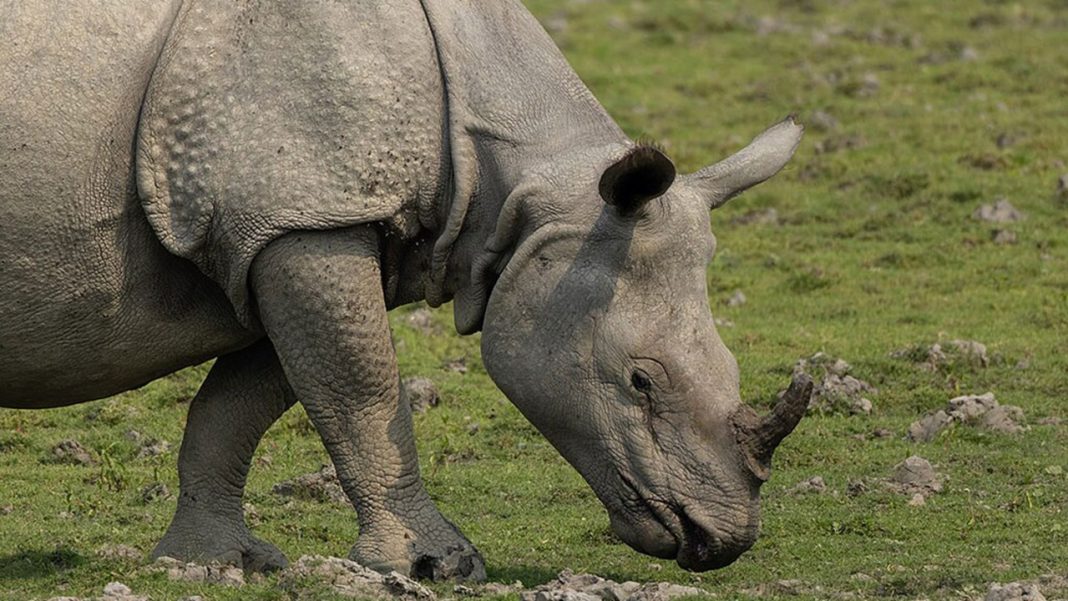

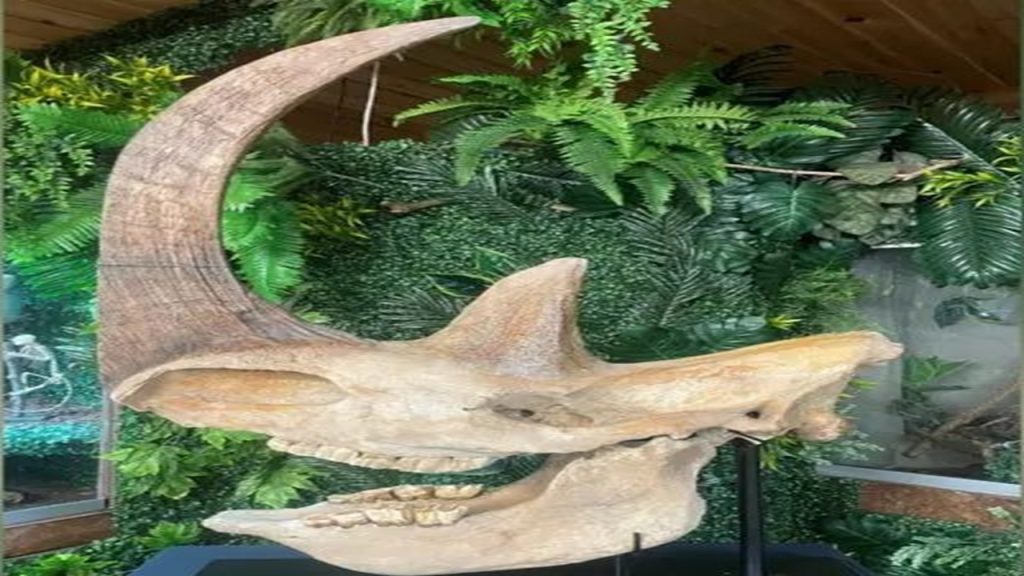
Scientists have uncovered a remarkable Arctic rhino fossil estimated to be around 23 million years old, shedding light on how prehistoric animals once thrived in regions that are now among the coldest places on Earth. The discovery provides valuable clues about ancient ecosystems during the early Miocene period.
Researchers say the 23 million year old rhino fossil indicates that the Arctic environment millions of years ago was dramatically different from today’s icy landscape, likely featuring forests and warmer climates capable of supporting large mammals.
What the Fossil Discovery Reveals
The newly discovered prehistoric rhino Arctic discovery helps scientists understand how animals adapted to ancient environments. Fossils like these provide evidence that rhino ancestors once lived far north, suggesting that the region supported diverse wildlife during prehistoric times.
This finding contributes to a broader understanding of the Miocene rhino fossil record, a period known for major evolutionary developments among mammals.
A Glimpse Into the Miocene Era
The Miocene epoch, which lasted roughly from 23 to 5 million years ago, was a time when global climates were warmer, and ecosystems were rapidly evolving. The 23-million-year-old rhino fossil suggests that early rhino species roamed areas that are now part of the Arctic.
These animals were likely herbivores feeding on vegetation in forested landscapes, a stark contrast to the frozen tundra seen today.
Why the Arctic Fossil Matters
The Arctic rhino fossil offers scientists a rare opportunity to study ancient climate conditions. Fossils found in polar regions can reveal how environmental changes shaped wildlife evolution over millions of years.
By analyzing such fossils, researchers can also better understand how modern species might respond to long-term climate shifts.
How Scientists Study Ancient Fossils
To study a Miocene rhino fossil, scientists examine bone structure, sediment layers, and surrounding geological material. Advanced imaging and dating techniques help determine the fossil’s age and environmental context.
These analyses allow paleontologists to reconstruct the appearance, behavior, and habitat of prehistoric animals.
Epilogue: A Window Into Earth’s Ancient Past
The discovery of a 23 million year old rhino fossil in the Arctic highlights how dramatically Earth’s climate and ecosystems have changed over time. As scientists continue studying this remarkable Arctic rhino fossil, they hope to uncover more clues about prehistoric wildlife and the environmental transformations that shaped life on our planet.
FAQs
1. What is the Arctic rhino fossil discovery?
The Arctic rhino fossil is a 23-million-year-old fossil that provides insight into prehistoric ecosystems in the Arctic region.
2. How old is the rhino fossil discovered in the Arctic?
Scientists estimate the 23 million year old rhino fossil dates back to the early Miocene epoch.
3. Why is the Miocene rhino fossil important?
The Miocene rhino fossil helps researchers understand ancient climates and the evolution of early mammal species.
4. What does the fossil reveal about ancient Arctic wildlife?
The prehistoric rhino Arctic discovery suggests that the Arctic once supported forests and diverse wildlife millions of years ago.