
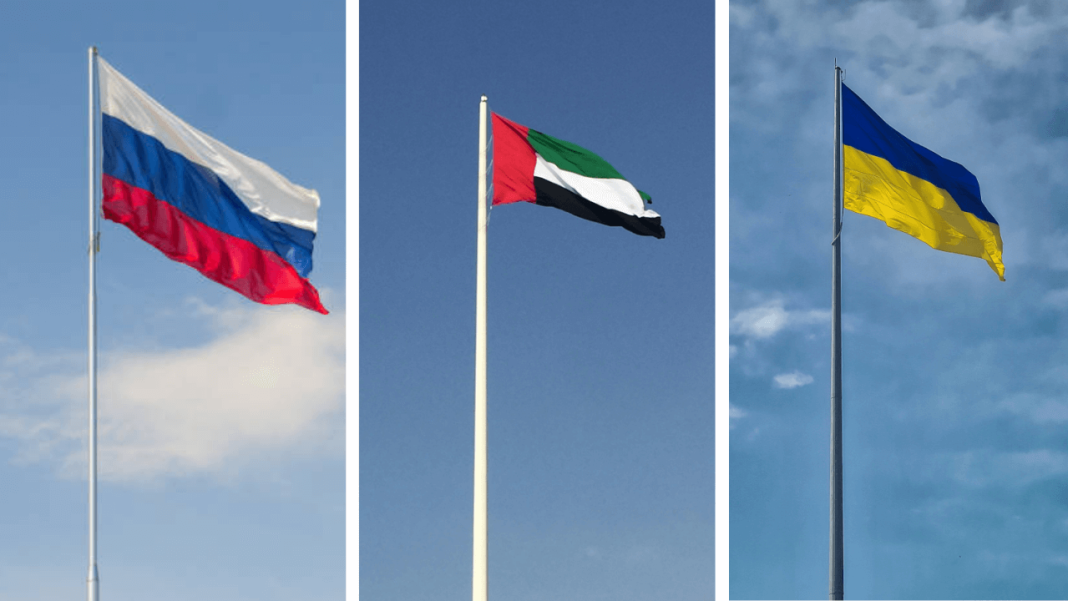

A new prisoner exchange in Abu Dhabi has pushed UAE humanitarian diplomacy into global focus again. Delegations linked to the United States, Ukraine, and Russia agreed on a swap involving 314 prisoners, a major step after months with no such movement. The talks stayed focused on people, not theatre.
Abu Dhabi appeared as a stable meeting point, quiet and practical, where rivals could still sit at one table, a point noted in Latest News in India. That plain fact carries weight.
What Was Agreed During the Abu Dhabi Talks
Officials confirmed an agreement to exchange 314 prisoners during talks held in Abu Dhabi. The figure signaled movement after a long pause in similar humanitarian arrangements. Public comments by negotiators described the sessions as detailed and productive, with more meetings expected in coming weeks. No full public split by side was issued at once.
| Core Point | Confirmed Update |
| Parties present | Delegations linked to the U.S., Ukraine, and Russia |
| Agreed humanitarian outcome | Exchange of 314 prisoners |
| Timing context | First such swap in nearly five months |
| Public line on talks | Detailed, productive, and outcome-led |
| Next step | Follow-up discussions planned soon |
It looked technical on paper, but the human side was obvious. Families waiting, calls returning, doors opening.
Why Abu Dhabi Became the Meeting Ground
Abu Dhabi has earned a reputation as a neutral diplomatic space. It offers security, discretion, and enough political distance to let difficult talks happen without public noise shaping every line. That matters in high-stress negotiations.
Rival parties often refuse shared platforms in many capitals. In this case, Abu Dhabi worked as the place where dialogue could continue without daily escalation in the room. Not dramatic, just effective.
Humanitarian Outcomes Take Priority Over Political Wins
This exchange stood out because the central metric was human return, not headline advantage. The process did not solve the war. It did deliver a direct humanitarian result.
Key humanitarian signals in this round:
- 314 people moved closer to home after captivity.
- A frozen channel reopened after months of no progress.
- Negotiators kept the door open for additional exchanges.
- Public messaging stayed restrained, with focus on outcomes.
That style is often overlooked. Still, it works in hard conflicts, step by step.
UAE’s Quiet Role as a Humanitarian Diplomatic Facilitator
The UAE position in this episode stayed measured. It hosted, enabled, and maintained a trusted setting. No loud ownership claims, no victory language. That tone helped.
Over recent years, UAE diplomacy has built a pattern around mediation, aid access, and de-escalation channels. The Abu Dhabi talks fit that pattern: practical logistics, political balance, and humanitarian priority. Sometimes that is the only workable lane left.
Leadership Recognition on the Global Stage
During the World Government Summit period, a global leader publicly linked the UAE President’s humanitarian track record to Nobel Peace Prize consideration. The remark came as external recognition, not self-promotion by Emirati officials.
That distinction matters in diplomatic communication. Praise carried more credibility because it came via international voices and tied directly to visible humanitarian outcomes. The message was simple, effort over years is being noticed.
Why This Moment Matters for Global Diplomacy
This moment shows a wider shift in diplomacy. Not every breakthrough starts with a peace accord. Many begin with narrow humanitarian files, prisoner exchanges, medical corridors, civilian evacuations. Small agreements can reopen larger channels later.
Abu Dhabi now appears in that map as a serious mediation hub where rivals can talk when other venues stall. The formula seems clear:
- Neutral ground
- Quiet process
- Humanitarian focus
- Continuity across rounds
Not glamorous. Still, diplomacy rarely moves on glamour.
Abu Dhabi as the Place Where Progress Happened
The 314-prisoner agreement did not end the war, and nobody claimed that. It did something real in a tense period. People returned. Dialogue resumed. A difficult channel stayed alive.
Abu Dhabi’s role in this phase was not to dominate the story. It was to host a workable process and keep space open for rivals who barely engage elsewhere. That outcome-first approach now shapes how many capitals view UAE humanitarian diplomacy. The result is clear enough, progress happened in Abu Dhabi, and it happened through calm facilitation, not noise.
FAQs
1) Why is the 314-prisoner exchange seen as diplomatically important?
It restored a stalled humanitarian channel after months of deadlock and showed negotiations can still produce concrete human outcomes.
2) Why was Abu Dhabi chosen for these talks?
Abu Dhabi is viewed as neutral, stable, and discreet, which helps opposing sides hold sensitive meetings with lower public pressure.
3) Did the talks settle broader political disputes in the conflict?
No, the talks focused on prisoner exchange and humanitarian delivery, while larger military and political disputes remained unresolved.
4) Why is the Nobel Peace Prize discussion being mentioned in this context?
A global leader raised it publicly in relation to sustained UAE humanitarian mediation efforts, not as a campaign led by UAE officials.
5) What could happen next after this prisoner exchange?
Follow-up rounds are expected, and future progress may include additional humanitarian arrangements if current diplomatic channels stay active.