


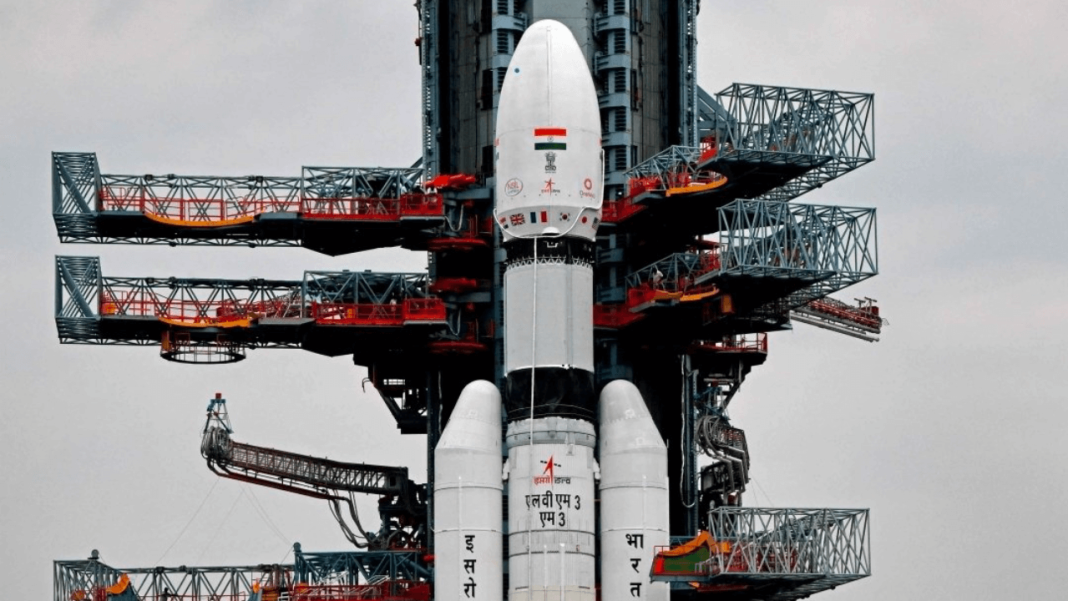

ISRO successfully launches PSLV-C62 with 16 satellites into orbit, marking India’s first major space mission of 2026. The early hours at the spaceport carried that familiar mix of tension and pride, reflecting the pulse of Latest News in India. The rocket rose cleanly, tracking steady, and the mission put India’s space calendar back on the front page. A big day, no doubt.
What the PSLV-C62 Launch Means for India’s 2026 Space Ambitions
PSLV-C62 arriving early in the year sets the tone for ISRO’s 2026 pipeline. A January mission is not a small scheduling choice. It signals readiness in integration, ground checks, range coordination, and satellite pairing.
The flight also keeps PSLV in active service, which matters because this vehicle is still the workhorse for multi-satellite missions. And it keeps customers watching. That global market has a short memory sometimes, so a clean launch helps. Simple truth.
For India’s space ambitions, the message is practical: regular launches, packed manifests, steady execution. Less talk, more lift-offs. That is what counts.
Key Mission Highlights of ISRO’s PSLV-C62 Launch
PSLV-C62 carried 16 satellites, a mix that reflects how missions look now: one key payload plus smaller companions. The main focus stayed on getting the injection and separation sequence right. A tight job.
Key points reported around the mission included:
- Launch conducted at Satish Dhawan Space Centre, Sriharikota
- PSLV-DL configuration used for this flight
- 16 satellites carried in a single mission profile
- Targeted a polar type orbit used for observation missions
- Mission positioned as India’s first major space mission of 2026
Operationally, it is also a reminder that space work is repetition and discipline. Checklists, rehearsals, command loops. Not glamorous, still essential.
Breakdown of All 16 Satellites Onboard PSLV-C62
The 16-satellite count matters because it shows how ISRO uses one launch to serve multiple needs. Some payloads are designed for imaging. Some are built for technology validation. Some are small, low-cost satellites that test hardware in real conditions. That is the pattern now. And it saves money.
A broad breakdown, kept simple:
- 1 primary payload: EOS-N1 (Anvesha)
- 15 co-passengers: smaller satellites, typically in micro or nano classes
These smaller satellites usually fall into buckets such as Earth observation add-ons, comms experiments, tracking payloads, or academic builds. The list changes per mission, yet the logic stays. Pack more value into one flight. Practical thinking.
Also, 16 satellites mean separation timing has to stay clean. One small mis-step can cause a chain reaction. Nobody wants that.
EOS-N1 (Anvesha): The Primary Earth-Observation Payload Explained
EOS-N1, also referred to as Anvesha, sits at the centre of the PSLV-C62 mission story. Earth observation payloads are not built for show. They are built for usable images, repeat passes, and reliable data delivery over months and years.
Such satellites are typically aimed at applications like land monitoring, disaster response support, maritime awareness, crop tracking, and strategic mapping. The public hears “Earth observation” and thinks of photography. It is more than that, it is planning data, operational data, sometimes security-linked data. Real-world use.
How the PSLV-C62 Mission Strengthens India’s Defence and Commercial Space Capabilities
A mission like PSLV-C62 touches two tracks at once: national requirements and commercial demand. Observation satellites serve civilian planning, but they also support security planning. That is not controversial, it is standard practice globally.
On the commercial side, multi-satellite launches make India competitive in a crowded market. Small satellite operators want predictable timelines, clear interfaces, and a vehicle that flies often. PSLV has built that reputation across many flights. Reputation takes years. It can slip in a week too.
PSLV-C62 also shows the continuing shift toward mixed manifests where institutional payloads and smaller partners share the ride.
Launch Timeline: How PSLV-C62 Successfully Reached Orbit
The mission timeline followed the usual PSLV rhythm: countdown, ignition, stage burns, separation events, then payload deployment sequence. The public sees one bright plume and a cheering control room. The actual work is a chain of timed events.
A typical sequence, described in plain terms:
- Countdown operations and final checks completed at the range
- Lift-off and first stage burn established the initial climb
- Subsequent stage firings built speed and altitude
- Upper-stage guidance refined trajectory toward the planned orbit
- Satellite separation commands executed in a planned order
The last part is the quiet part. Satellite separations happen fast, often with small time gaps. Engineers watch numbers, not fireworks. That is how it is.
Technical Advancements and Performance of the PSLV-DL Configuration
PSLV-DL refers to a PSLV variant that uses strap-on boosters suited for the mission’s mass and orbit needs. The point is straightforward: choose the configuration that fits the job. No extra drama.
A quick view of what mattered technically on this flight:
| Technical area | What it does in a mission | Why it mattered on PSLV-C62 |
| Guidance and navigation | Keeps the rocket on the planned path | Multi-satellite timing needs tight accuracy |
| Stage performance | Delivers planned velocity per burn | Orbit injection depends on clean burns |
| Payload integration | Holds satellites securely till separation | 16 satellites demand clean mechanical design |
| Separation system | Releases satellites in correct sequence | Prevents contact risk between payloads |
| Ground tracking | Confirms trajectory and events | Builds confidence in orbit delivery |
Even small improvements, better telemetry handling, smoother separation logic, cleaner integration procedures, they add up. Some readers may find it boring. Engineers do not.
Impact on India’s Growing Private Space Ecosystem
India’s private space sector keeps showing up as co-passengers, subsystem suppliers, ground support partners, and data users. That is the newer layer around ISRO missions. It is not replacing ISRO, it is adding capacity around it.
For startups and private teams, a PSLV ride is more than publicity. It is a flight heritage stamp. Hardware that works in orbit becomes easier to sell and easier to insure. That matters in business terms.
Also, private participation pushes faster iteration cycles. Small teams test, fail, fix, re-test. The cycle is quicker than traditional programmes. Some days it feels messy, still it moves.
FAQs
1) Why is PSLV-C62 being called India’s first major space mission of 2026?
It opened the 2026 calendar with a full orbital mission carrying 16 satellites and a primary observation payload.
2) What does “16 satellites into orbit” usually involve during deployment?
It involves a staged separation plan with timed releases, careful spacing, and tracking to avoid satellite contact risks.
3) What is EOS-N1 (Anvesha) expected to support after reaching orbit?
EOS-N1 supports Earth observation needs such as mapping, monitoring, and operational planning that depend on repeat orbital passes.
4) Why does the PSLV-DL configuration matter for missions like PSLV-C62?
PSLV-DL is chosen to match payload mass and orbit requirements, helping balance lift capability and mission efficiency.
5) How does this launch affect India’s private space companies in practical terms?
It strengthens flight heritage for private-built payloads and components, which improves credibility for future contracts and investors.