
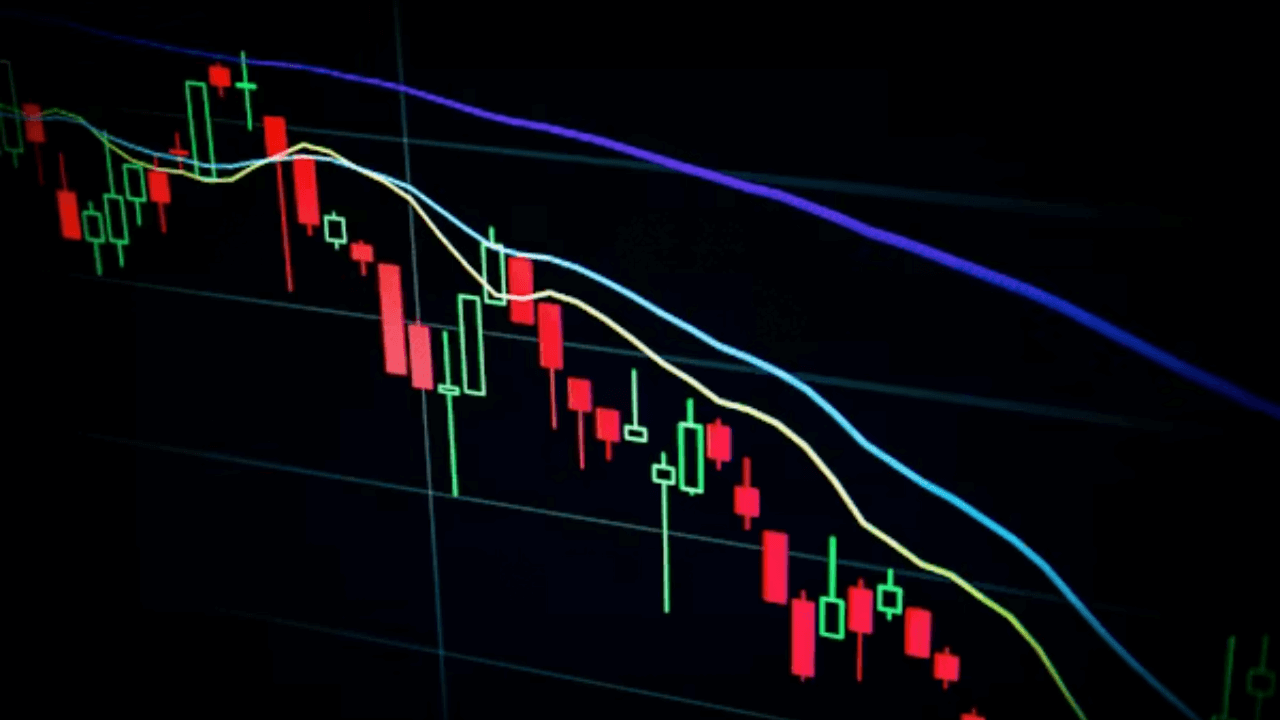
Sideways stocks feel like “dead money”. Headlines say markets are flat, friends show faster wins elsewhere, and patience starts to look like a mistake, a sentiment often echoed in India Current News. In the past year, investors watched AI favourites surge while banks and industrials chopped sideways, and rate-cut rumours flipped sentiment weekly. Flat charts became common for many. But a price that goes nowhere can still pay dividends, and a quiet chart can hide a business that is fixing itself slowly. That’s the tension investors face in 2026.
Hold vs Exit: A Practical Discussion
Start with the reason for owning the stock. If the original thesis is intact, the price drift may be noise, not a verdict. If earnings, cash flow, or balance-sheet strength are slipping, flat prices can be a polite warning. A recent example of “flat but jittery” trading showed up in Reuters’ market update.
Check These Before Deciding
- Total return: add dividends, buybacks, and tax impact, not just price.
- Opportunity cost: compare expected returns versus a simple index fund.
- Time window: has the company had time to deliver, or is it stalling?
- Position size: oversized bets create stress and bad exits.
- Catalyst clarity: earnings growth, debt reduction, or a clear product cycle.
So holding makes sense when fundamentals hold and valuation is fair. Exiting makes sense when the story breaks, or capital can be used better. Diversification basics help keep emotions out.