

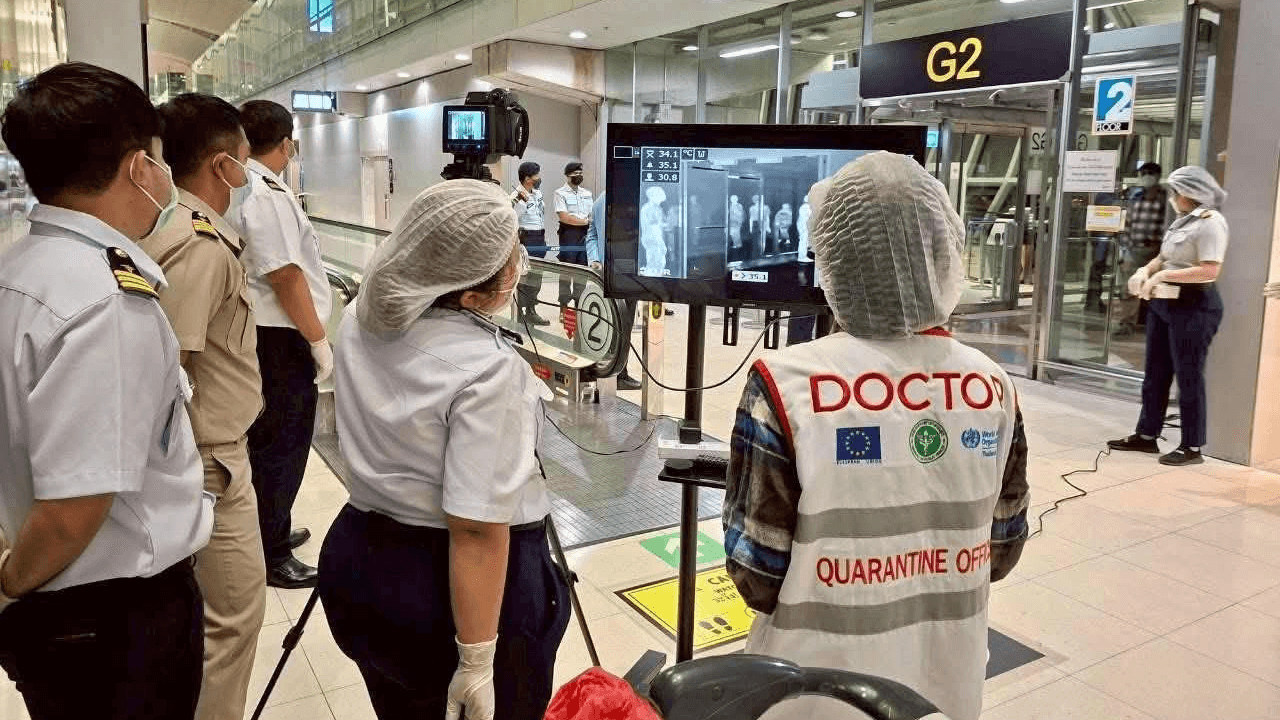
A fresh Nipah cluster has put public-health teams on edge because it combines three hard problems at once: a virus with a high death rate, early symptoms that can look like “regular” fever and cough, and the risk of spreading inside busy hospitals, making it Latest News in India. In India, confirmed cases in West Bengal set off rapid contact-tracing, quarantine, and lab testing, while some neighbouring countries started airport screening conversations again.
Why The Alarm Bells Are Ringing
Nipah is not new, but every new cluster forces a fast, no-mistakes response. The infection can move from mild respiratory illness to encephalitis, and the estimated case-fatality rate sits around 40%–75% (it varies by outbreak and care capacity). It can also spread person-to-person through close contact, including in healthcare settings, which is why even a “small” hospital-linked cluster gets treated like a fire drill.
In the middle of the surge, India’s Health Ministry posted an official update on traced contacts and negative results.
Hospitals Can Turn Into Amplifiers
When healthcare workers get exposed, the stakes jump. One missed isolation step can put patients, staff, and visitors into the same chain of transmission within hours. That is why advisories focus heavily on PPE, triage, and strict infection control.
Why This Story Keeps Trending
There is still no widely approved vaccine or specific cure, so containment leans on surveillance, isolation, and tracing. Add recent headlines about a Phase II vaccine trial, plus Nipah’s “priority pathogen” reputation, and it is easy to see why this outbreak is being watched so closely online.