

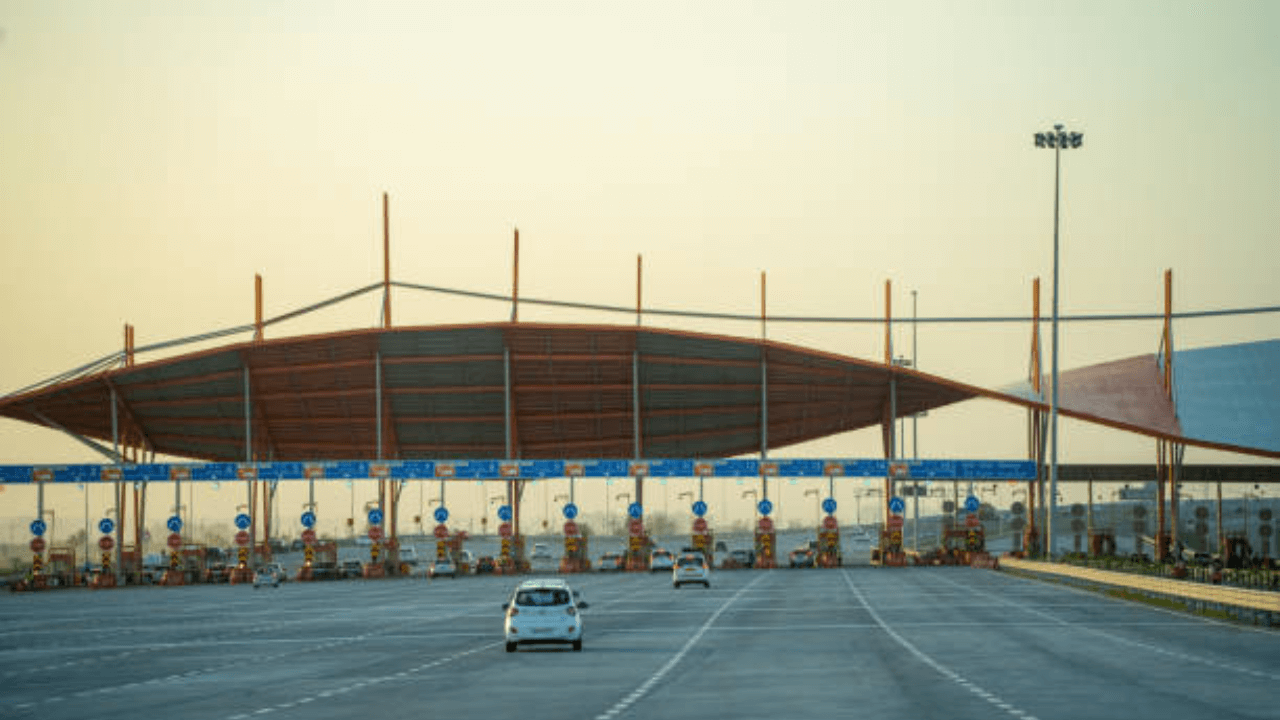
The New FASTag Rules, from February 1, 2026, will be a drastic change in India in terms of the management of highway toll payments, a move widely covered in Latest News in India. The new structure aims to minimise additional paperwork and reduce friction, and its structure is simpler to comply with, but where the misuse is detected, more oversight is increased. This can silently enhance the effectiveness of travel by millions of commuters and long-distance drivers every day.
Under the new system, Know Your Vehicle (KYV) checks on cars have been done away with during routine checks of cars, both new and old, except when a complaint is received. This implies that it activates faster, has fewer delays during the verification process, and moves through the toll plaza with ease. Toll charges per se are not yet changed, but governments have indicated their intention to place an increased emphasis on digital compliance and detection of misuse as opposed to blanket checks.
Why These FASTag Updates Matter to Daily Commuters
The distinguishing feature of the New FASTag Rules from Feb 1, 2026, is the purpose: it should be easy to use instead of heavy-handed controls. The system will be friendlier to commuters by relying on good documentation at the time of admission and only taking action in cases of exceptions. With the ever-increasing highway traffic, such targeted reforms can be used to characterise the collection of tolls in the future. In simple terms, the New FASTag Rules from Feb 1, 2026, are meant to streamline the process of highway travelling -and make it less bureaucratic.