


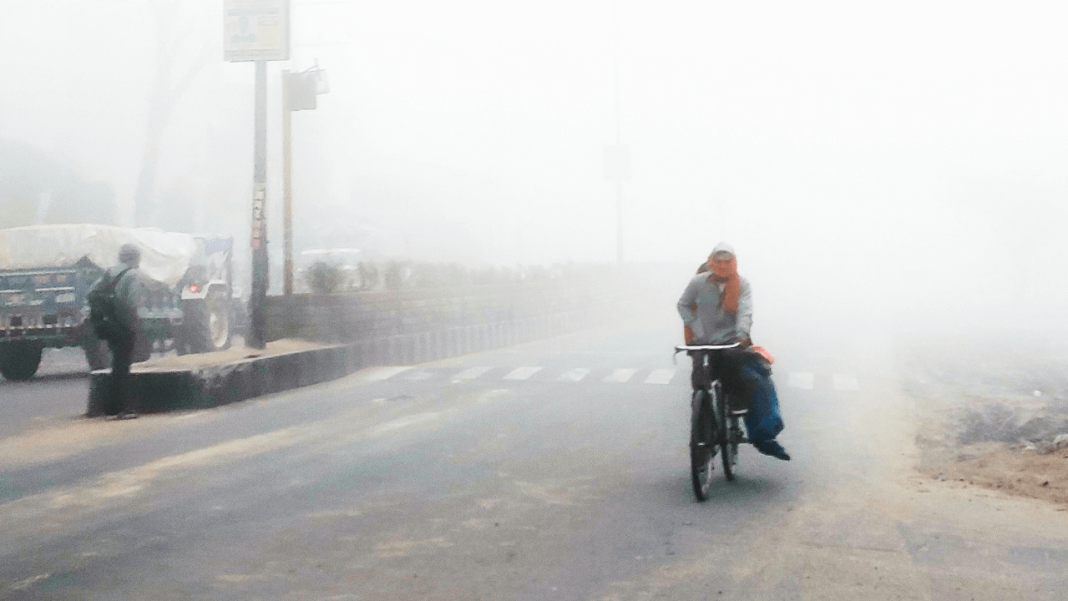

Every February, families across North India notice the same pattern: lingering cough, sore throat, wheeze, mild fever, and chest tightness. It feels sudden, but it is seasonal and predictable. February is a collision month where weather, air quality, and viral spread overlap, a trend often highlighted in Latest News in India reports. A few clearer days can be followed by stagnant, smoky mornings, and symptoms rise quickly.
That is why OPDs in Delhi-NCR, Punjab, Haryana, and western Uttar Pradesh often look busier in late winter than many people expect.
Why February Becomes a Respiratory Pressure Month
Current signals are clear. Delhi’s AQI returned to “very poor” at 305 on 11 February 2026, and the official Air Quality Early Warning System linked this deterioration to weak winds and poor pollutant dispersion. At the same time, doctors in recent Delhi-NCR reporting flagged co-circulation of Influenza A (H3N2), metapneumovirus, influenza B, and coronaviruses.
The Union Health Ministry also said on 10 February 2026 that air pollution aggravates respiratory ailments and listed preparedness steps.
Air + Weather: The Trap Effect
Late-winter haze and lower wind speed allow PM2.5 and PM10 to stay near breathing level, especially during commute hours and early mornings. Children with asthma, elders with COPD, and people recovering from flu often worsen first. Morning traffic exposure, construction dust, and indoor crowding compound risk, even for healthy adults.
Viral Co-Circulation Makes It Worse
Airway irritation lowers resilience. Then schools, offices, and close-contact travel accelerate transmission. This double hit, polluted air plus active respiratory viruses, is the core reason February repeatedly becomes a hard breathing month in North India. For live tracking, follow CPCB AQI and thisANI update on X.
FAQs
Why does February feel worse for breathing problems?
Cold air, trapped pollution, and active viruses together irritate airways and increase infection transmission rates.
Are children and seniors more vulnerable in this period?
Yes, children, elderly adults, asthmatics, and people with COPD usually develop symptoms earlier and worse.
What is the quickest daily safety check?
Check the CPCB AQI dashboard each morning and avoid strenuous outdoor activity during poor periods.
What simple prevention steps actually help?
Masking, hydration, regular medicines, indoor ventilation balance, and timely consultation reduce complications significantly in February.
Do symptoms usually settle without hospital care?
Usually yes, but persistent breathlessness, high fever, or chest pain needs immediate medical evaluation urgently.