
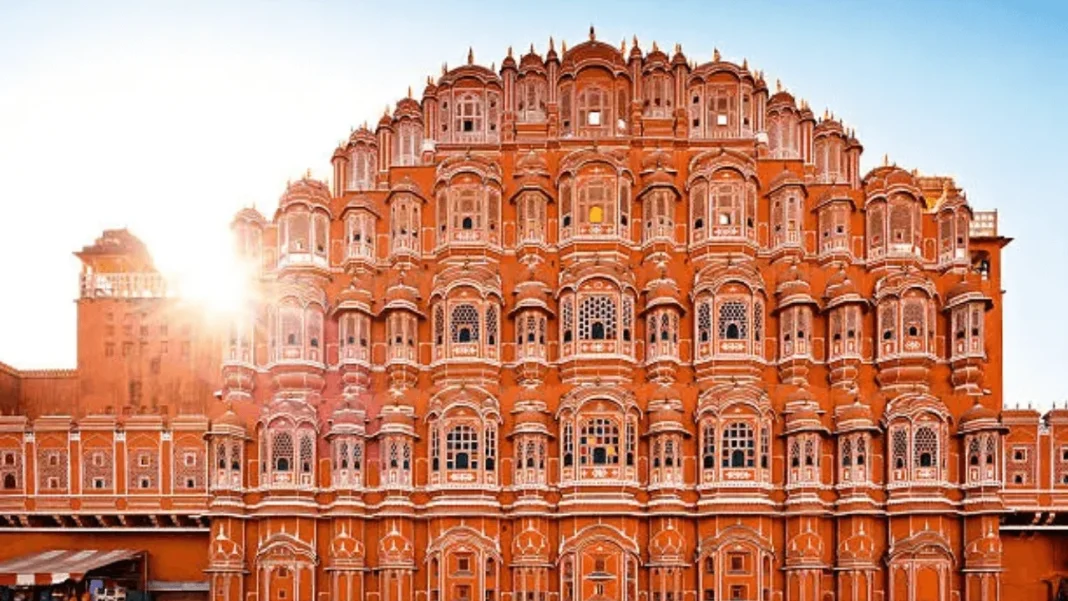

The modern traveler’s approach to Rajasthan local tourism is shifting dramatically. Rather than just admiring grand palaces at the front, visitors in 2026 will be willing to get greater cultural experiences immersion on the ground within the streets.
The Rise of Pink City walking tours
On foot tours have become the new standard of searching the true soul of the capital. These carefully curated Pink City walking tours allow visitors to bypass the heavily congested main arteries and dive straight into the traditional chowkries—the historic, block-style neighborhoods originally planned in the 18th century.
What to Expect on authentic historical trails
Wandering along these authentic historical trails, you will discover far more than standard monuments. Guides usually provide a sensory experience of parents traveling through:
- Hidden Karkhanas: Visit the original royal crafts workstations that are actively working on marble, jewelry and textile production as of now.
- Enhanced Havelis: Wander through the beautifully renovated frescoes of elegant, privately-owned heritage buildings, found in the dainty lanes of the city.
- Have a bite of freshly made masala chai and favorite street foods of the old family peddlers.
- visit the colorful streets and classical architecture of Jaipur. Each of the corners narrates the story of our amazing heritage.
Sustaining the Local Community
As recent state heritage preservation frameworks point out, sustainable foot traffic assists in injecting money into the local micro-economy. As documented in recent tourism research that has been in line with the Indian Institute of corporate affairs objectives of sustainability, the issue of empowering local artisans through direct interactions with tourists is important. Moreover, local organizations emphasize that such walks are supportive of ethical tourism practices that do not pervade the infrastructure of the area but instead take care of its old beauty.
By stepping onto these quiet neighborhood paths, travelers can respectfully engage directly with the living, breathing history of the region.
FAQs
How long do these pedestrian guided tours usually take?
Most guided excursions take about 2 to 3 hours. They are typically scheduled in the early morning (around 7:00 AM) or late afternoon to avoid the peak midday heat.
Are these routes physically demanding?
Not at all. The paths are generally flat and taken at a very leisurely pace. However, wearing comfortable, flat walking shoes is highly recommended due to occasional uneven cobblestone streets.
What is the main difference between a heritage walk and a standard sightseeing tour?
Standard sightseeing usually involves driving between major standalone monuments like forts and palaces. In contrast, walks focus entirely on the narrow alleys, local artisan workshops, street food, and everyday community life hidden behind the main roads.