
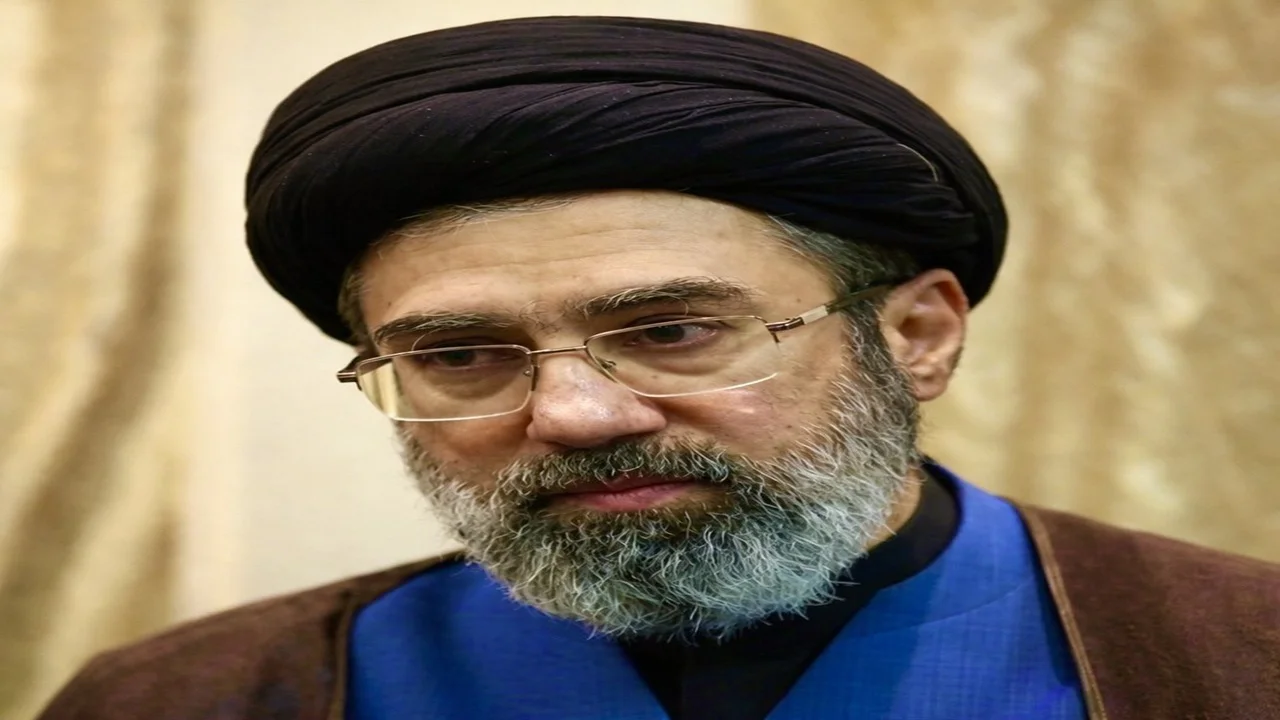
Iran has entered a new and tense phase after Mojtaba Khamenei was named the country’s new Iran supreme leader, succeeding his father, Ayatollah Khamenei, after his death during the current regional war. Major outlets including Reuters and AP reported the appointment on March 8–9, 2026, saying Iran’s Assembly of Experts backed mojtaba khamenei at a moment of military conflict, internal pressure, and global uncertainty.
His rise matters because he was long seen as an influential insider, even without a formal elected role.
Who Is Mojtaba Khamenei?
Mojtaba Khamenei is the second son of Ayatollah Ali Khamenei and has for years been viewed as one of the most powerful unseen figures inside Iran’s ruling system. Though he stayed largely out of public campaigning and never built a normal electoral profile, he gained weight in clerical and security circles through his access, networks, and conservative credentials.
His name often appeared in succession discussions because he was seen as trusted by hardliners and close to the centres of power that shape the Islamic Republic from behind the curtain.
Mojtaba Khamenei Elected As Iran’s New Supreme Leader
Iran’s Assembly of Experts, the clerical body tasked with selecting the supreme leader, reportedly chose Mojtaba Khamenei after the death of his father. Reuters and AP said the appointment was announced through Iranian state media as war escalated and leadership continuity became urgent.
His emergence as successor reflects both timing and power balance: he was already known inside conservative networks, and his ties to security actors appear to have made him the strongest candidate in a crisis. The move is also striking because Iran’s post-1979 system publicly rejected hereditary monarchy, yet power has now passed from father to son.
Why His Appointment Is Drawing Global Attention
The appointment is being watched closely because it happened during a regional war, not in calm political conditions. Reports say oil prices jumped, foreign governments reacted quickly, and analysts began debating whether Mojtaba Khamenei will deepen confrontation or try to consolidate rule first.
His image is that of a harder-line operator rather than a reformist face, which is why many observers see his leadership as a signal of continuity in ideology but possible escalation in style.
Religious Background
Mojtaba Khamenei studied in Qom, the centre of Shiite religious learning in Iran, and trained as a cleric within the same establishment that underpins the Islamic Republic. Reports describe him as a mid-ranking cleric rather than a universally dominant marja-level religious authority, which makes his political elevation more notable.
His strength appears to come less from broad public theological stature and more from insider legitimacy, family lineage, and institutional backing. That combination helped place him firmly inside the clerical establishment well before he was formally elevated to the country’s top post.
Mojtaba Khamenei’s Rise To Power
For years, Mojtaba Khamenei was described as influential behind the scenes. Reports linked him to conservative political blocs and to the Islamic Revolutionary Guard Corps, a crucial force in Iran’s security and regional strategy. He was often portrayed as someone who could influence appointments, alliances, and the balance between clerical authority and military power.
That matters because Iran’s real political weight has long depended not only on titles, but on control over loyal institutions. His rise was not sudden; it was the formal elevation of someone many believed had already shaped power from the shadows.
Powers Of The Iran Supreme Leader
The Iran supreme leader sits above the elected government and holds authority over the armed forces, judiciary, and core state institutions. The role shapes military strategy, appoints key officials, and influences domestic policy, foreign relations, and security direction. That means Mojtaba Khamenei now inherits not just a title, but command over the most powerful levers in the Islamic Republic.
In practice, the office can override or direct major national decisions, especially in periods of war, unrest, or nuclear tension, which is why leadership changes in Iran immediately affect the wider region.
What Mojtaba Khamenei’s Leadership Means For Iran
Mojtaba Khamenei’s leadership likely points to harder internal control and a firm security-first posture. Reuters and AP reporting suggest analysts expect little immediate moderation, especially given his perceived closeness to the IRGC and the circumstances of his rise. Relations with the West may grow more strained, while domestic governance could become tighter in the name of wartime unity and regime survival.
The biggest question now is whether he governs mainly as a continuity figure for Ayatollah Khamenei’s system or gradually builds a more openly militarised and centralised order under his own authority.
FAQs
1. Is Mojtaba Khamenei The New Supreme Leader Of Iran?
Yes, Reuters and AP reported his appointment after Ayatollah Khamenei’s death during the current conflict.
2. How Is Iran’s Supreme Leader Chosen?
Iran’s Assembly of Experts selects the supreme leader through an internal clerical process, not public voting.
3. Was Mojtaba Khamenei Active In Politics Before This?
Yes, he was widely seen as influential behind the scenes in conservative and security circles.
4. Does Mojtaba Khamenei Have Religious Credentials?
Yes, he studied in Qom and trained as a Shiite cleric within Iran’s religious system.
5. Why Is His Leadership So Important Internationally?
Because the supreme leader controls major military and political institutions during a volatile regional war.