

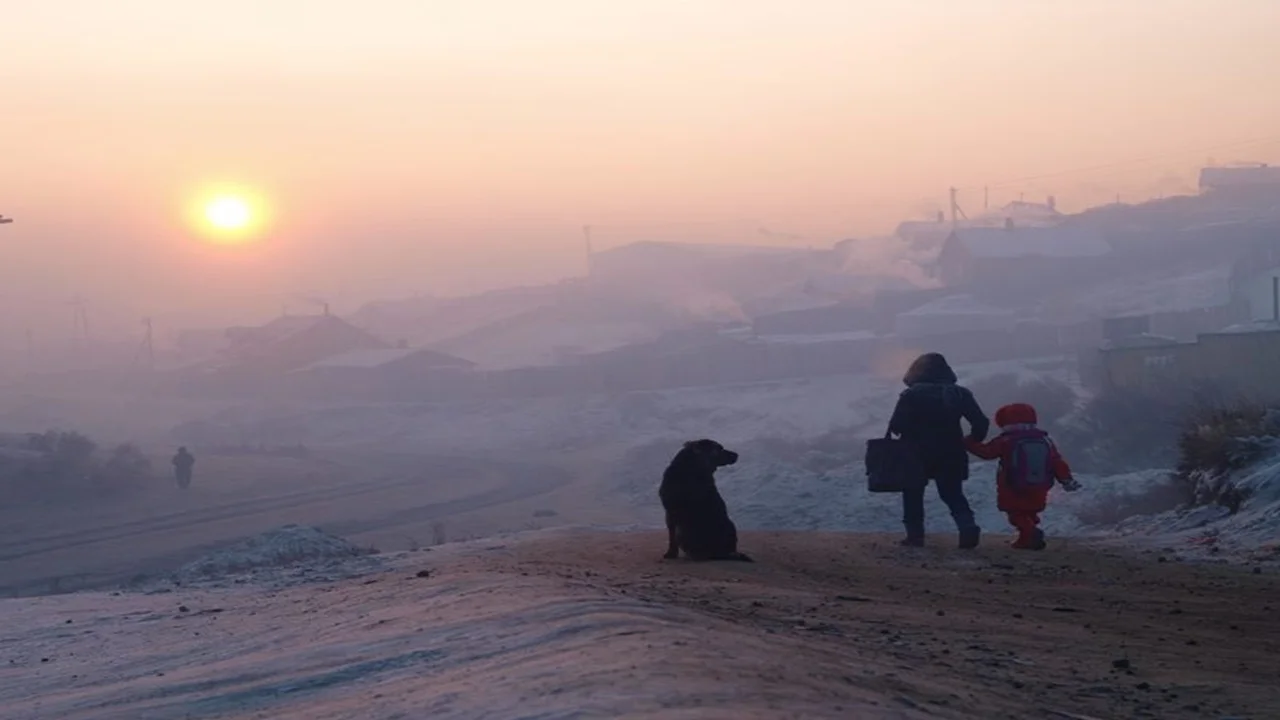
Ulaanbaatar in winter can look cinematic for about five minutes. Then the smoke settles in. The Mongolian capital sits in a valley, the temperatures crash far below freezing, and the city’s need for heat turns into a public-health problem. UNICEF says that on the coldest days, daily average PM2.5 levels can reach 687 µg/m³, about 27 times the level the WHO recommends as safe. The biggest driver is still coal-burning stoves in ger districts, where many households rely on solid fuel to survive the season.
Why Winter Hits So Hard
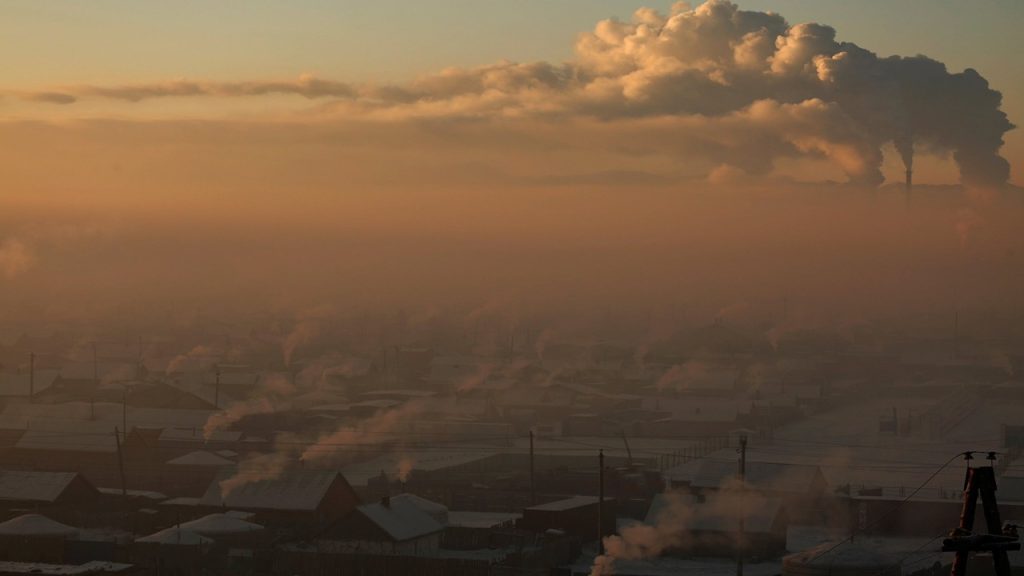
This is not only a traffic story. It is a heated story. Ulaanbaatar’s geography traps cold air near the ground during temperature inversions, so smoke does not clear easily. Add long winters, minus-40°C extremes, and heavy dependence on household heating, and the city becomes one of the world’s most severe cold-season PM2.5 hotspots. UNICEF’s recent Mongolia material says the city’s unique mix of climate, topography, urban growth, and fuel poverty keeps the crisis alive.
The Coal Question In Ger Districts
The sharpest burden falls on ger areas, where many homes are not connected to central heating. UNICEF says coal-burning stoves in these districts are the most important source of winter air pollution. ADB also notes that a very high share of households in Ulaanbaatar still burn coal for warmth, while World Bank material has long linked ger-area stove use to the city’s winter smog. This is why air quality debates in Mongolia keep circling back to heating access, cleaner fuels, and home insulation, not just city traffic. UNICEF’s X update on Ulaanbaatar winter pollution.
Has Anything Improved?
Yes, but not enough to call the city safe. Mongolia’s raw coal ban in Ulaanbaatar, introduced in 2019, helped reduce some particulate pollution, and research has found cleaner briquette use made a visible difference compared with earlier years. Still, newer studies and UNICEF reporting show winter spikes remain severe, especially for children and low-income families who live closest to the smoke source. In simple terms, the city is cleaner than before, but still dangerous during peak winter episodes.
Why The Story Still Feels Urgent
That urgency has become more visible in recent child-health and climate coverage. UNICEF’s 2025 reporting frames the issue through daily life: missed school, breathing problems, indoor exposure, and families forced to choose between warmth and cleaner air. Young activists, including campaigners linked to Breathe Mongolia, have also pushed the issue into the public conversation. That is why Ulaanbaatar winter air keeps returning as more than an environmental story. It is a housing, energy, and health story at the same time.
FAQs
1. Why is Ulaanbaatar so polluted in winter?
Extreme cold, valley inversions, and coal-burning stoves in ger districts trap dangerous PM2.5 near ground level.
2. What is PM2.5 and why does it matter?
PM2.5 means tiny particles that enter lungs and bloodstream, raising risks of asthma, heart disease.
3. Are coal stoves the main source of winter smog?
Yes, official sources say coal-burning household stoves are the biggest contributor during the cold season.
4. Did the raw coal ban solve the problem?
It helped reduce pollution, but winter spikes remain severe because heating demand still stays high.
5. Who faces the highest risk from the smog?
Children, pregnant women, elderly residents, and low-income households face the heaviest exposure and health burden.