
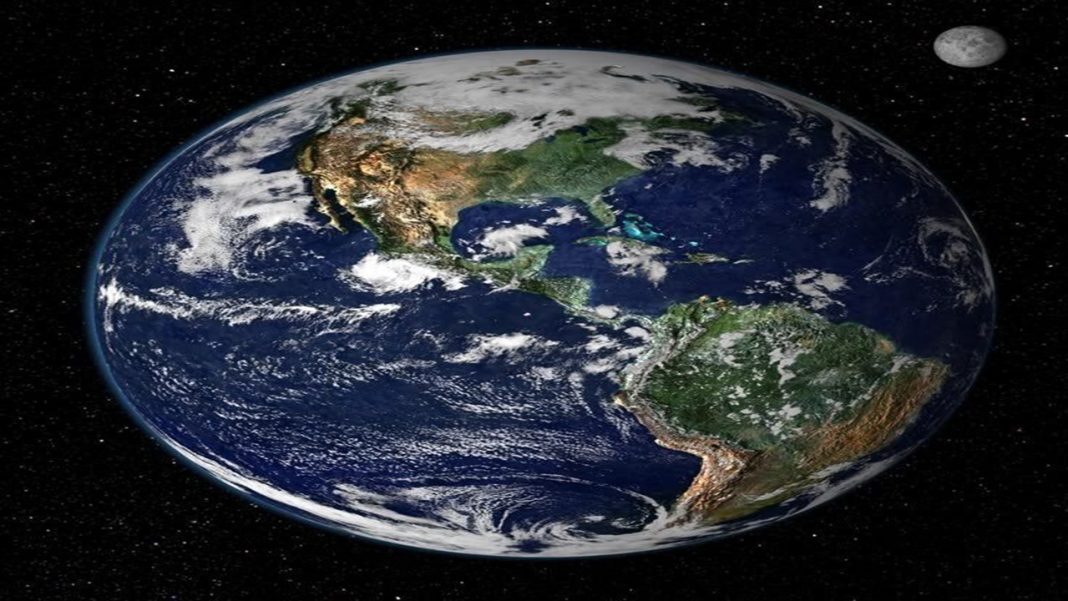

What is Earth Hour? It is a global environmental movement where millions of people switch off their lights for one hour to raise awareness about climate change and energy conservation. Organized by World Wide Fund for Nature, Earth Hour has become one of the largest grassroots environmental campaigns in the world, encouraging individuals, businesses, and governments to take action for the planet.
Earth Hour Meaning
The Earth Hour meaning goes beyond simply turning off lights. It symbolizes a collective commitment to protecting the environment and reducing energy consumption.
By participating in Earth Hour, people show support for:
- Climate action
- Sustainable living
- Energy conservation
It is a symbolic gesture that highlights the importance of environmental responsibility.
Earth Hour History
Earth Hour history dates back to 2007, when the first event was held in Sydney.
- Over 2 million people participated in the first event
- It quickly expanded to countries around the world
- Today, hundreds of cities and landmarks take part every year
Since then, Earth Hour has grown into a global movement involving millions of participants.
When Is Earth Hour Observed?
Earth Hour time is typically observed on the last Saturday of March, from 8:30 PM to 9:30 PM (local time). During this hour, households and major landmarks switch off non-essential lights as a symbolic act.
Why Earth Hour Is Celebrated
Understanding why Earth Hour is celebrated helps highlight its significance.
Earth Hour is observed to:
- Raise awareness about climate change
- Encourage energy-saving habits
- Promote sustainable lifestyles
It serves as a reminder that small individual actions can contribute to larger environmental change.
Importance of Earth Hour
The Earth Hour importance lies in its ability to unite people globally for a common cause.
Key impacts include:
- Increased awareness about environmental issues
- Encouragement of long-term sustainable practices
- Participation from governments and organizations
While switching off lights for one hour may seem small, the collective impact is powerful.
Global Participation
Many famous landmarks participate in Earth Hour every year, including:
- Eiffel Tower
- Sydney Opera House
- India Gate
This global participation highlights the widespread support for environmental conservation.
What You Can Do During Earth Hour
During Earth Hour, individuals can:
- Turn off lights and electrical appliances
- Spend time outdoors or with family
- Reflect on sustainable habits
It is also an opportunity to adopt long-term changes like reducing energy use and minimizing waste.
Why It Still Matters Today
In 2026, Earth Hour continues to remain relevant due to ongoing climate challenges.
The movement helps:
- Keep environmental issues in public discussion
- Encourage global cooperation
- Promote awareness among younger generations
Conclusion
What is Earth Hour? It is more than just switching off lights it is a global symbol of unity and commitment toward protecting the planet. Through awareness and collective action, Earth Hour continues to inspire people worldwide to take meaningful steps toward sustainability.
FAQs
What is Earth Hour?
It is a global event where people switch off lights for one hour to support environmental awareness.
When is Earth Hour celebrated?
On the last Saturday of March from 8:30 PM to 9:30 PM.
Who started Earth Hour?
It was started by the World Wide Fund for Nature (WWF).
Why is Earth Hour important?
It raises awareness about climate change and promotes sustainable living.