
Trade talks do not usually blow up over one line. This week, though, a “butter chicken tsunami” remark from New Zealand minister Shane Jones pushed the India-New Zealand free trade agreement into a fresh political storm, set off outrage across social media, and gave boycott hashtags a fast runway. The controversy grew because the phrase was seen by critics as mocking Indians while linking trade with immigration fear. What changed the story further was this: despite the uproar, the deal itself was not officially scrapped. New Zealand’s government said legal verification was complete and the FTA is scheduled to be signed in New Delhi on April 27, 2026.
What The “Butter Chicken Tsunami” Remark Was About
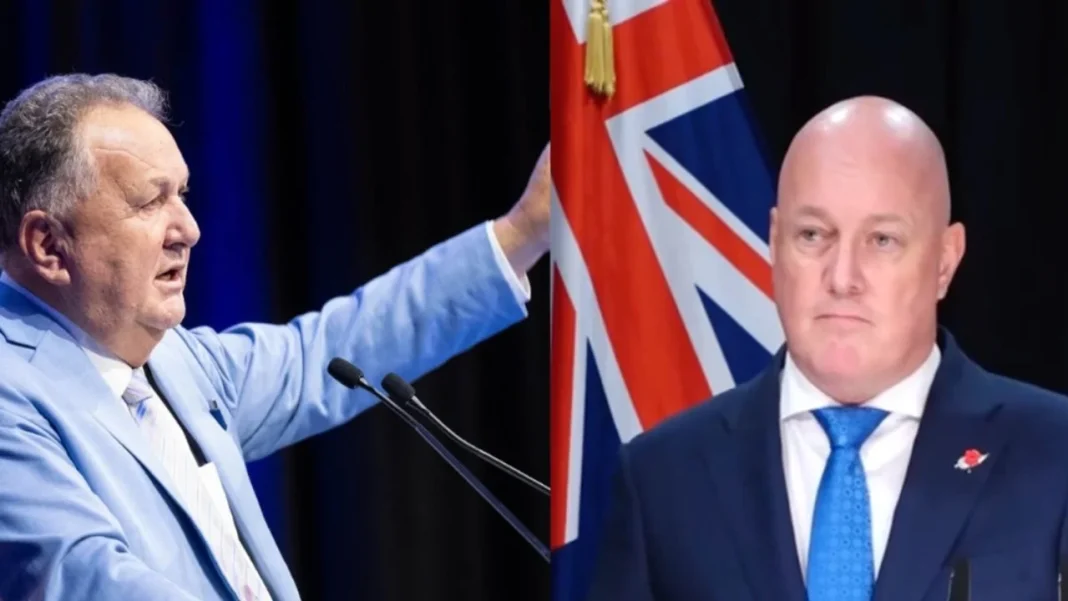
Jones, deputy leader of coalition partner New Zealand First, said he was “never going to agree” with a “butter chicken tsunami” coming to New Zealand while attacking the India FTA and raising immigration fears. The remark quickly moved beyond domestic politics because it tied a major trade pact to a loaded stereotype. Critics in New Zealand and abroad called it racist, xenophobic, and diplomatically reckless. The backlash spread through Indian diaspora conversations, commentary threads, and news-led social posts within hours.
For an official news-post reference inside the story, RNZ and Indian diaspora outlets carried social coverage of the backlash and Prime Minister Christopher Luxon’s response.
Why This Hit The Trade Deal At The Worst Moment
Timing made the damage worse. New Zealand’s government had just confirmed that legal verification of the India FTA was complete and that signing had been agreed for April 27 in New Delhi. Prime Minister Christopher Luxon publicly pushed back, calling the comments “not acceptable” and “unhelpful,” while saying the immigration claims around the pact were false. That matters because the agreement still needs political support in Wellington, and New Zealand First has already said it will vote against it. So the line did not formally derail the deal, but it did inflame the politics around ratification.
Why The Remark Landed So Badly In India
India is not a marginal market in this agreement. Reuters reported the pact is aimed at doubling bilateral trade in five years, with all Indian goods getting duty-free access to New Zealand and 95% of New Zealand exports to India seeing tariffs eliminated or reduced. A remark that appeared to reduce Indians to a slur-like punchline was always going to hit harder against that backdrop.
Stay Ahead With Global Power Moves
Is India EU Trade Deal A Breakthrough?
Dive into how the India–EU FTA reshapes global trade dynamics.
Why Is Jaishankar Visiting Abu Dhabi?
Look into the strategic goals behind India-UAE diplomatic push.
What Do India Russia Agreements Mean?
Uncover key impacts of 16 new deals across sectors.
Why Is Ronaldo Backing Perplexity AI?
Get to know how this support boosts India-rooted AI growth.
How Strong Are India UAE Trade Ties?
Explore future goals shaping trade relations towards 2030.
Why Social Media Is Calling For A Boycott
The boycott language online is being driven less by trade math and more by insult politics. Many users framed the remark as anti-Indian rather than merely anti-immigration. That is why the response has included calls to boycott New Zealand-linked products, tourism, and businesses, even though those calls remain social and symbolic for now. News reports and social coverage show the backlash is strongest among diaspora voices and users arguing that such rhetoric should carry economic consequences.
What Happens Next For India-New Zealand Ties
The bigger test now is whether both governments keep the focus on the agreement’s economics. New Zealand officials are still selling the pact as a “once-in-a-generation” opening into India, while Luxon has tried to separate his government’s trade agenda from the remark. That gives the deal a path forward, but the episode has already left a bruise. In trade diplomacy, numbers open doors, but language can slam them halfway shut. This row has proved exactly that.
FAQs
Did the butter chicken remark cancel the India-New Zealand trade deal?
No, signing is still scheduled, but political resistance and public outrage have sharply intensified now.
Who made the controversial butter chicken comment?
New Zealand First deputy leader Shane Jones made the comment while criticising the India trade pact.
Why are people calling the comment racist?
Because critics say it stereotyped Indians and linked migration fears with a cultural food reference.
What did New Zealand’s prime minister say after the backlash?
Christopher Luxon called the remark unacceptable, unhelpful, and based on false immigration scaremongering claims.