


Vitamin D tablets have become a weekly routine in many Indian homes. A blood test shows a deficiency, a doctor prescribes a high-dose capsule, and the habit sometimes continues far beyond the treatment window. That is where trouble can start.
Vitamin D is important for bones, muscles, and calcium balance. But it is not a harmless add-on that can be taken forever without a second look. When weekly high-dose supplements continue for too long, or get paired with extra calcium and other pills, vitamin D can push calcium levels too high in the blood. That can strain the kidneys, trigger stones, and in severe cases, lead to kidney failure.
Why Weekly Vitamin D Can Turn Risky
In India, vitamin D deficiency is common, so weekly supplements are often prescribed. That part is normal. The problem begins when a short correction plan quietly becomes a long-term habit. Some people keep taking 60,000 IU capsules every week for months because they feel it is “just a vitamin.” Others add over-the-counter calcium, multivitamins, or bone-health powders on top of it.
A prescribed loading plan is not the same as lifelong weekly use. Many doctor-led treatment schedules are meant for a limited period, then followed by review, repeat testing, or a lower maintenance dose.
For context, the Indian RDA for vitamin D is far lower than the megadose capsules many people use for deficiency treatment.
5 Warning Signs Of Vitamin D Toxicity
Vitamin D toxicity usually shows up as high calcium in the blood. The warning signs can look vague at first, which is why people miss them.
- Frequent urination, especially if it starts suddenly
- Constant thirst or a dry mouth that does not settle
- Nausea, vomiting, or poor appetite for several days
- Muscle weakness, unusual tiredness, or low energy
- Side pain, back pain, or symptoms linked to kidney stones
These signs are easy to brush off as heat, acidity, poor sleep, or dehydration. That is risky. If high calcium is behind them, the kidneys may already be under pressure.
When The Kidney Risk Gets Serious
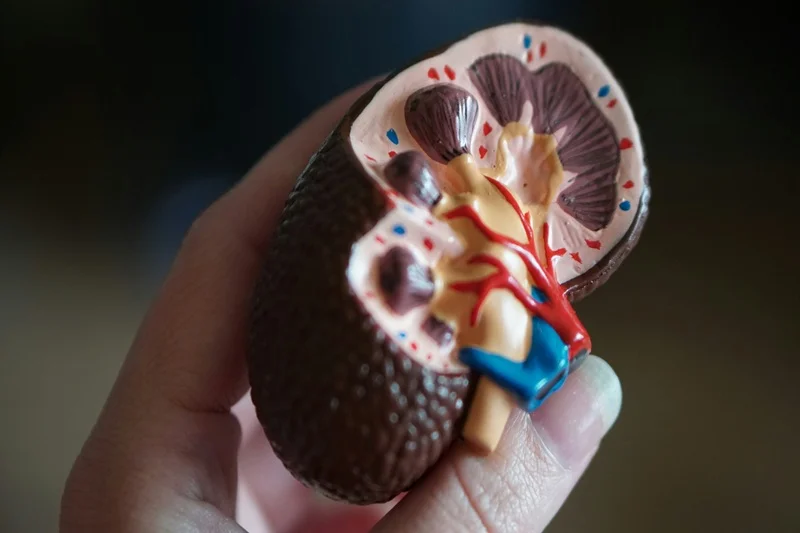
Kidneys filter extra calcium from the body. When vitamin D intake stays too high, calcium can build up in urine and blood. That can lead to kidney stones, dehydration, and, in severe cases, acute kidney injury. The danger gets higher when vitamin D is taken with calcium supplements, certain medicines, or without repeated blood work.
What Causes Toxicity In The First Place
Sunlight is not the problem here. Food is not the problem either. Toxicity almost always comes from supplements, especially high-dose products taken too often, in the wrong amount, or for too long.
A few patterns show up again and again. One, someone keeps refilling a weekly prescription without follow-up. Two, multiple products contain vitamin D, but the label is never checked. Three, the person already has kidney disease, dehydration, or a stone history, and continues the same dose. Four, supplement advice comes from social media, gym groups, or casual pharmacy purchases instead of a clinician.
What To Do If You Notice These Symptoms
Stop guessing and stop stacking supplements. That includes calcium unless a clinician has asked you to continue it. Keep the supplement strip or bottle with you and book a medical review, especially if you have vomiting, confusion, severe weakness, low urine output, or sharp pain near the back or side.
The usual check is simple on paper but important in practice. Doctors may review your dose, ask about all supplements you are taking, and order blood calcium, creatinine, and 25-hydroxy vitamin D tests. If the symptoms are strong, treatment should not be delayed.
This is also the point where many people learn they were taking far more than they thought. One capsule, one sachet, one multivitamin, and one calcium tablet can quietly turn into a very high total dose.
More Money, Less Hassle—Stay Ahead Of Every Tax Update!
Want Bengaluru E-Khata Instantly Online?
Check out the simple steps to download your E-Khata using only your tax ID.
PF Withdrawal Without TDS Possible?
Find out how Form 121 changes EPFO withdrawals and tax deductions.
Which Post Office Scheme Pays More?
Uncover the top high-return savings and tax-saving options available now.
Could Tax Changes Affect Your ITR?
Look into the latest correction window rules, fees, and tax alerts.
Need Lower Or Nil TDS Approval?
Get to know how Form 128 helps reduce or eliminate TDS/TCS deductions.
How To Take Vitamin D More Safely
Vitamin D still has value when used properly. The safer route is not to panic. It is a follow-up.
Ask these basic questions before continuing a weekly dose:
- Was this meant only for 6 to 8 weeks
- Is a repeat vitamin D test due
- Does the current plan also include calcium
- Is there any history of kidney stones or kidney disease
- Are other supplements already adding more vitamin D
That small review can prevent a much bigger problem later. A vitamin should not end up becoming a kidney issue.
FAQs
Can Weekly Vitamin D Damage Kidneys?
Yes, prolonged high-dose use can raise calcium levels and increase the risk of kidney stones or kidney injury.
Is 60,000 IU Vitamin D Safe Every Week?
It may be safe briefly under medical advice, but long unsupervised use can become risky.
Can Sun Exposure Cause Vitamin D Toxicity?
No, vitamin D toxicity is usually linked to supplements, not normal sunlight exposure alone.
What Tests Help Check Vitamin D Toxicity?
Doctors usually review vitamin D levels, blood calcium, kidney function, and current supplement use.
Should Calcium Be Taken With Vitamin D Always?
No, combining both without review can raise stone risk and worsen calcium overload problems.