

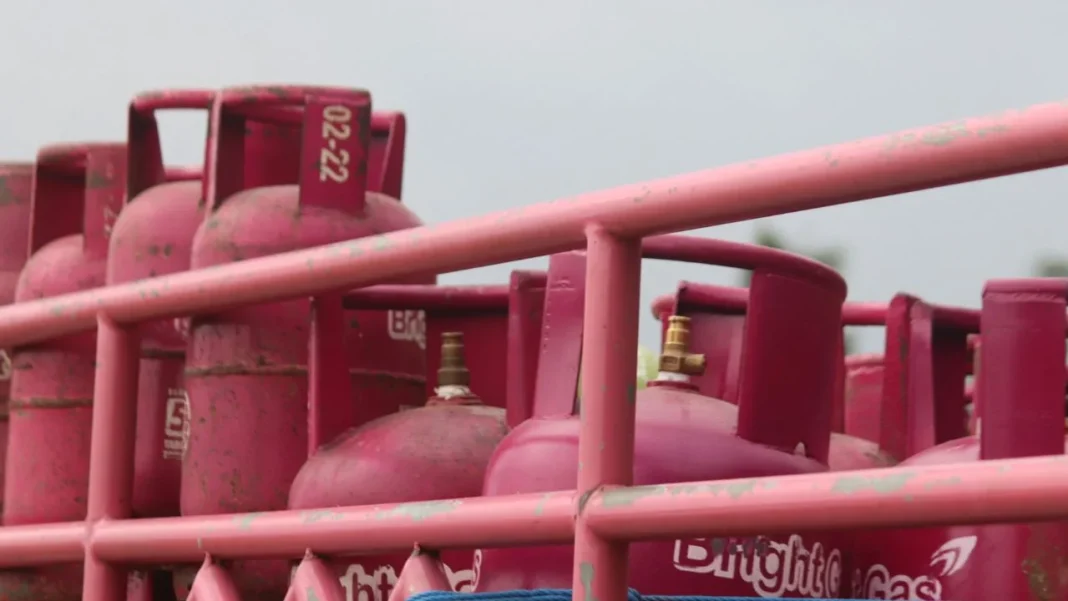

India’s commercial kitchens received relief on July 1, 2026, when oil marketing companies reduced the price of a 19 kg LPG cylinder by as much as ₹183.50. The cut helps restaurants, hotels, caterers, bakeries, and roadside food businesses facing high fuel bills.
However, the word “again” needs context. This was the first commercial LPG price reduction of 2026 after repeated increases. Domestic 14.2 kg cylinder prices were not revised in July, although households had already faced a ₹29 increase from June 7. The change offers business relief, not a fresh household benefit.
Commercial LPG Price Cut From July 1: What Changed?
According to IndianOil’s latest LPG price page, a 19 kg Indane cylinder now costs ₹2,930 in Delhi, ₹3,081.50 in Kolkata, ₹2,885.50 in Mumbai, and ₹3,106 in Chennai. Compared with June rates, the reductions are ₹183.50, ₹174, ₹182, and ₹177, respectively.
The cut followed months of increases linked to global LPG costs and a supply squeeze during the West Asia crisis. Delhi’s commercial cylinder had reached ₹3,113.50 in June, up from ₹2,078.50 on April 1, according to IndianOil’s historical commercial LPG table. Even after July’s reduction, it remains about 41% above the April level, so business fuel costs remain elevated.
Official broadcaster Prasar Bharati’s news service also highlighted the change in this PB SHABD post on X. It reported that the 5 kg free-trade LPG cylinder became ₹13 cheaper at ₹808.50, while July delivered the first commercial price cut of 2026.
Who Benefits Most From Cheaper Commercial LPG?
The direct beneficiaries are businesses using non-domestic cylinders for cooking, heating, production, or service operations. Savings depend on location, usage, and distributor pricing.
- Restaurants, cafés, and cloud kitchens can reduce recurring cooking-fuel expenses.
- Hotels, hostels, and institutional canteens gain from lower bulk kitchen costs.
- Caterers and wedding kitchens receive relief during high-volume event bookings.
- Bakeries, sweet shops, tea stalls, and dhabas can protect narrow operating margins.
- Small factories using packed commercial LPG may see a modest reduction in production costs.
A Delhi restaurant consuming 20 commercial cylinders monthly could save about ₹3,670 at the new rate. A larger kitchen using 100 cylinders could save roughly ₹18,350. These savings may support margins, but they do not guarantee cheaper menus because food prices, wages, rent, electricity and delivery costs remain separate expenses.
Will Restaurant And Food Prices Fall?
Some businesses may use the cut to avoid another menu-price increase rather than reduce existing prices. The benefit is more likely to appear through stable catering quotes, fewer fuel surcharges or better margins. Competition could encourage selective discounts, but a single monthly LPG reduction is unlikely to trigger broad price cuts.
Why Did Domestic LPG Cylinder Prices Stay Unchanged?
Commercial and domestic LPG cylinders serve different customer groups and do not always move together. The government has stated that commercial LPG prices are market-determined and connected to international benchmarks and related costs. Household LPG pricing also carries wider affordability and policy considerations, so the timing and size of revisions can differ.
In July, domestic 14.2 kg Indane prices remained ₹942 in Delhi, ₹968 in Kolkata, ₹941.50 in Mumbai, and ₹957.50 in Chennai, as shown on the official IndianOil domestic LPG price table. Yet “unchanged” refers only to the July review. Domestic LPG had risen by ₹29 in Delhi from June 7, moving from ₹913 to ₹942.
That distinction is important for families expecting relief after seeing commercial LPG headlines. A commercial price cut does not automatically apply to household cylinders, and consumers should check cylinder size, category, and city before assuming their next refill will cost less.
What Could Decide The Next LPG Price Revision?
Oil companies generally review LPG rates periodically using global benchmark prices, the rupee-dollar exchange rate, freight, insurance, supply availability, and other costs. The government’s LPG pricing clarification confirms that commercial prices reflect international movements and associated expenses.
The recent West Asia supply disruption remains the biggest trend to watch. Commercial LPG availability has since improved, with restrictions on non-domestic packed supply removed as conditions normalised, according to a government supply update. Stable imports, softer benchmark prices, and a stronger rupee could create room for another cut. Renewed geopolitical pressure or freight disruption could reverse the direction.
For now, July’s reduction is meaningful for food and hospitality businesses, but it only partly reverses earlier increases. Households receive price stability rather than a cut, while the next monthly review will show whether commercial users get sustained relief or only a temporary pause.
Frequently Asked Questions
How Much Was The Commercial LPG Price Cut In July 2026?
The 19 kg cylinder became up to ₹183.50 cheaper, depending on the city and supplier.
Did Domestic LPG Prices Fall In July 2026?
No, domestic 14.2 kg cylinder rates remained unchanged across major cities during July’s price review.
Who Benefits Most From The Commercial LPG Reduction?
Restaurants, hotels, caterers, bakeries, dhabas, canteens and small industrial users receive the strongest direct benefit.
Will Restaurant Food Become Cheaper After The LPG Cut?
Not necessarily, because businesses also face food, rent, wage, electricity and delivery expenses every month.
When Will LPG Prices Be Revised Again?
Oil companies periodically review LPG prices, with revised rates commonly announced near each month’s beginning.