
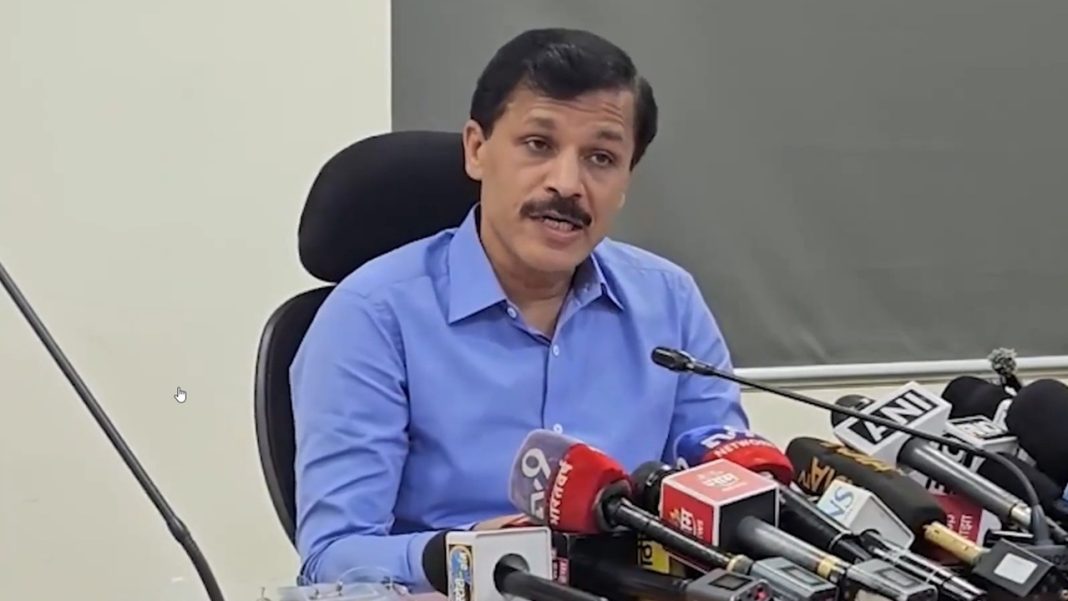

Maharashtra’s Food and Drug Administration has introduced a year-round “Festival Enforcement Calendar” to target food adulteration before, during and after major celebrations. Under FDA Commissioner Tukaram Mundhe, the first-of-its-kind framework replaces repeated festival-wise orders with a standing plan. Enforcement can begin 21 days before a festival, while officers may check production units, mills, godowns, markets, transport routes, restaurants and retail outlets.
Eleven high-risk food categories have been identified, with sweets, milk products, edible oils, fasting foods, dry fruits, meat, water, ice and bakery items among the major targets. The department says the drive is about food safety, not religion.
Which Foods Are On Maharashtra FDA’s Festival Inspection List?
Festival demand often rises sharply for milk, khoya, paneer, ghee, sweets and dry fruits, so these products sit high on the inspection calendar. Sweet shops may be checked for unauthorised colours, adulterated ingredients and decorative vark that is not genuine silver. Dry fruits can be screened for aflatoxins, while besan and other commonly used ingredients may also be sampled.
Navratri and Mahashivratri bring a different list. Bhagar, kuttu, singhada flour, sabudana and rajgira may be tested for fungal contamination and mycotoxins. Around Eid, slaughterhouses, meat outlets, cold chains, water and ice are expected to receive closer scrutiny. Bakery goods, chocolates, imported foods, gift hampers and quick-commerce warehouses are also covered.
Key Foods And Places Inspectors May Target
- Milk, khoya, paneer, ghee and festival sweets
- Edible oil and repeatedly used frying oil
- Bhagar, kuttu, singhada, sabudana and rajgira
- Dry fruits, besan, meat, water, ice and bakery goods
- Sweet shops, mills, godowns, cold stores, restaurants and quick-commerce hubs
Why Will Used Frying Oil And Sweet Shops Face Extra Checks?
Used frying oil is one of the clearest enforcement targets. During major festivals such as Diwali and Dussehra, inspectors can test oil for Total Polar Compounds, or TPC. FSSAI’s official RUCO guidance fixes the limit at 25% TPC for used cooking oil, beyond which the oil should not remain in the food chain. Large frying-oil users also face record-keeping and disposal requirements.
Sweet shops could face equally close checks. Officers may look for synthetic or adulterated silver leaf, unauthorised food colours, poor storage and unsafe wrapping. Newspaper or other printed paper is not considered suitable food-contact wrapping under food hygiene requirements.
Consumers who suspect adulteration can check the Maharashtra FDA’s official website and use FSSAI’s Food Safety Connect grievance portal. The state FDA also advises buyers to check licence details and keep bills.
How Will The Festival Enforcement Calendar Work Across Maharashtra?
Festivals have been divided into three tiers. Tier 1 covers major statewide celebrations such as Ganeshotsav, Navratri, Christmas and Eid. Tier 2 includes regional occasions such as Makar Sankranti, Holi, Gudi Padwa, Ashadhi, Dahi Handi, Kojagiri and Tulsi Vivah. Tier 3 covers local deity festivals, yatras, palkhis and urs.
The enforcement cycle begins with risk mapping, intelligence collection, squad formation and laboratory preparation. Around 14 days before a festival, officers can inspect factories, mills, wholesale markets, cold stores, godowns and transport vehicles. Early-morning milk movement may also be checked.
During a festival, teams can carry out market surveillance, inspections and on-the-spot testing. After the event, laboratory reports may lead to disposal, prosecution or other action for up to 30 days.
Community meals are included as well. Organisers of mahaprasad, iftar, annachhatra, langar and bhandara events are expected to use licensed caterers and give advance information to food-safety officials.
Why Is Maharashtra Moving To A Year-Round Food Adulteration Crackdown?
The calendar arrives during a wider Maharashtra FDA enforcement push. Earlier this week, investigators uncovered an alleged relabelling operation in Navi Mumbai involving packaged products whose manufacturing or expiry information was reportedly altered. Separate inspections have also hit quick-commerce facilities and restaurants over hygiene and storage failures.
The new system changes the timing of festival enforcement. Instead of concentrating only on shops after demand has peaked, teams can inspect ingredients, production, movement and storage before products reach consumers. Maharashtra also plans four additional food-testing laboratories to reduce testing and enforcement delays.
For shoppers, the practical checks remain simple. Buy sweets and packaged foods from licensed sellers, keep the bill, read labels carefully, avoid unusually bright colours or damaged packs, and report suspicious food through recognised channels. The inspection calendar makes festival foods easier to target in advance, but consumer complaints will still play a role in spotting problems quickly.
FAQs
What is Maharashtra FDA’s Festival Enforcement Calendar?
It is a year-round inspection plan targeting high-risk foods before, during, and after major festivals.
Which sweets will Maharashtra FDA inspect most closely?
Khoya sweets, paneer products and mithai may face checks for colours, adulteration and fake vark.
What is the allowed TPC limit for used cooking oil?
FSSAI caps used frying oil at 25% TPC, beyond which commercial reuse is considered unsafe.
Will fasting foods be tested during Navratri?
Yes, bhagar, kuttu, singhada, sabudana and rajgira may be tested for fungal toxins during festivals.
Are community meals such as langar and bhandara covered?
Yes, organisers must use licensed caterers and provide advance information to food-safety officials before distribution.