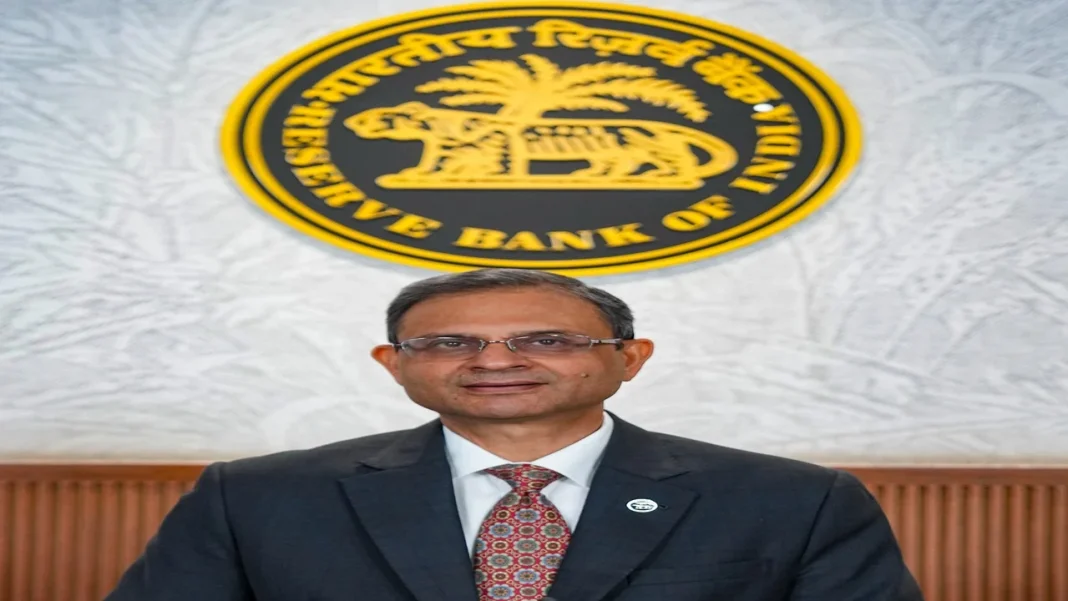

Home loan borrowers have a fresh rate reset to watch. On October 7, 2026, the Reserve Bank of India raised the policy repo rate by 25 basis points from 5.25% to 5.50%, its first increase since February 2023. Floating-rate borrowers may feel the change at their next reset. Fixed deposits may benefit later if banks revise deposit rates.
Key Highlights
- RBI raised the repo rate by 25 bps to 5.50% and shifted its stance to calibrated tightening.
- A ₹50 lakh, 20-year loan moving from 8.50% to 8.75% would see EMI rise by about ₹794 monthly if the full hike is passed through.
- Existing fixed-rate loans do not change merely because the repo rate moved.
- Existing FDs keep their booked rate; new or renewed deposits may get revised rates.
Why RBI Raised the Repo Rate to 5.50%
The rate decision was unanimous. RBI also raised the standing deposit facility rate to 5.25%, while the MSF rate and Bank Rate moved to 5.75%. Its October 7 monetary policy resolution points to broader inflation pressure, high energy prices, a deficient monsoon and El Niño risks. August CPI inflation stood at 4.82%, according to the Ministry of Statistics and Programme Implementation.
RBI now projects FY27 CPI inflation at 5.2% and real GDP growth at 7.1%. The new “calibrated tightening” stance also says near-term policy action is either a pause or another hike, not a cut. The next MPC meeting runs from December 2-4, 2026.
How Much Could Your Home Loan EMI Rise?
A repo-rate move reaches borrowers through the benchmark written into the loan agreement. RBI rules require floating-rate retail and MSME bank loans to use an external benchmark, with interest reset at least once every three months. Older MCLR-linked loans follow their own reset schedule.
Take a ₹50 lakh home loan with 20 years left. If the rate moves from 8.50% to 8.75% and tenure stays unchanged:
- EMI rises from about ₹43,391 to ₹44,186.
- The monthly increase is roughly ₹794.
- Over 240 months, the extra outgo is about ₹1.91 lakh if the higher rate remains unchanged.
This is an illustration, not a forecast. A lender may pass through the change later, alter the tenure, or apply a different spread. A fixed-rate borrower may see no immediate change.
What Changes for FDs, Car Loans and Personal Loans?
Deposit rates do not move mechanically with the repo rate. As of October 6, RBI’s published range for bank term deposits above one year was 6.00% to 6.75%. Banks may now revise deposit rates, but timing will differ.
For savers:
- An existing FD continues at the rate booked when it was opened.
- A new FD or renewal gets the rate available on that booking date.
- Breaking an FD to chase a higher rate can bring premature-closure penalties.
Car and personal loans follow the same broad split: floating rates can reset, while fixed rates generally do not change immediately. The benchmark and reset date decide the actual impact.
What Borrowers and Savers Should Do Now
Start with the loan statement. Look for the benchmark, spread, next reset date, EMI, and remaining tenure. RBI requires lenders to communicate increases caused by benchmark resets and provide periodic loan information.
For equated-instalment personal loans, RBI’s floating-rate loan reset framework requires options when rates rise. Depending on the lender’s policy, these include a higher EMI, longer tenure, a combination of both, switching to a fixed rate, or part/full prepayment.
A longer tenure can hold down the monthly payment but raise lifetime interest. A prepayment cuts principal before future interest is calculated. FD investors can also spread fresh deposits across maturities instead of locking everything for one term.
Borrowers should now watch their lender’s reset notice, while depositors can compare revised FD rates as banks respond to the RBI decision.
FAQs
Will my home loan EMI increase immediately after the RBI repo rate hike?
Not necessarily. It depends on whether your loan is floating, its benchmark, the lender’s pass-through, and the next scheduled interest-rate reset date.
Does a 25-bps repo hike mean my home loan rate rises by exactly 0.25%?
No. Repo-linked loans may transmit closely, but the final rate also depends on the benchmark formula, spread, reset timing, and your loan contract.
Will existing fixed deposits earn a higher rate now?
No. An existing FD normally keeps its booked rate until maturity. Higher rates, if announced, apply to new deposits or renewals.
Can I keep my EMI unchanged if my floating home loan rate rises?
Possibly. A lender may extend the tenure instead, subject to its policy and regulatory limits. RBI also requires lenders to present other reset options.
When is the next RBI MPC meeting after the October 2026 rate hike?
RBI has scheduled the next Monetary Policy Committee meeting for December 2 to 4, 2026, when rates may be paused or changed again.
Money Matters: Rates, Credit & Fraud Protection
Will RBI Raise Repo Rates Again?
Check out what an October rate hike could mean for your EMIs.
How Can You Fix CIBIL Errors?
Find out how to report errors and claim RBI compensation.
When Should You Call 1930?
Uncover what happens after reporting a cybercrime or financial fraud.
Why Are EMI Cuts Still Delayed?
Explore why borrowers may still await lower EMIs despite rate cuts.