

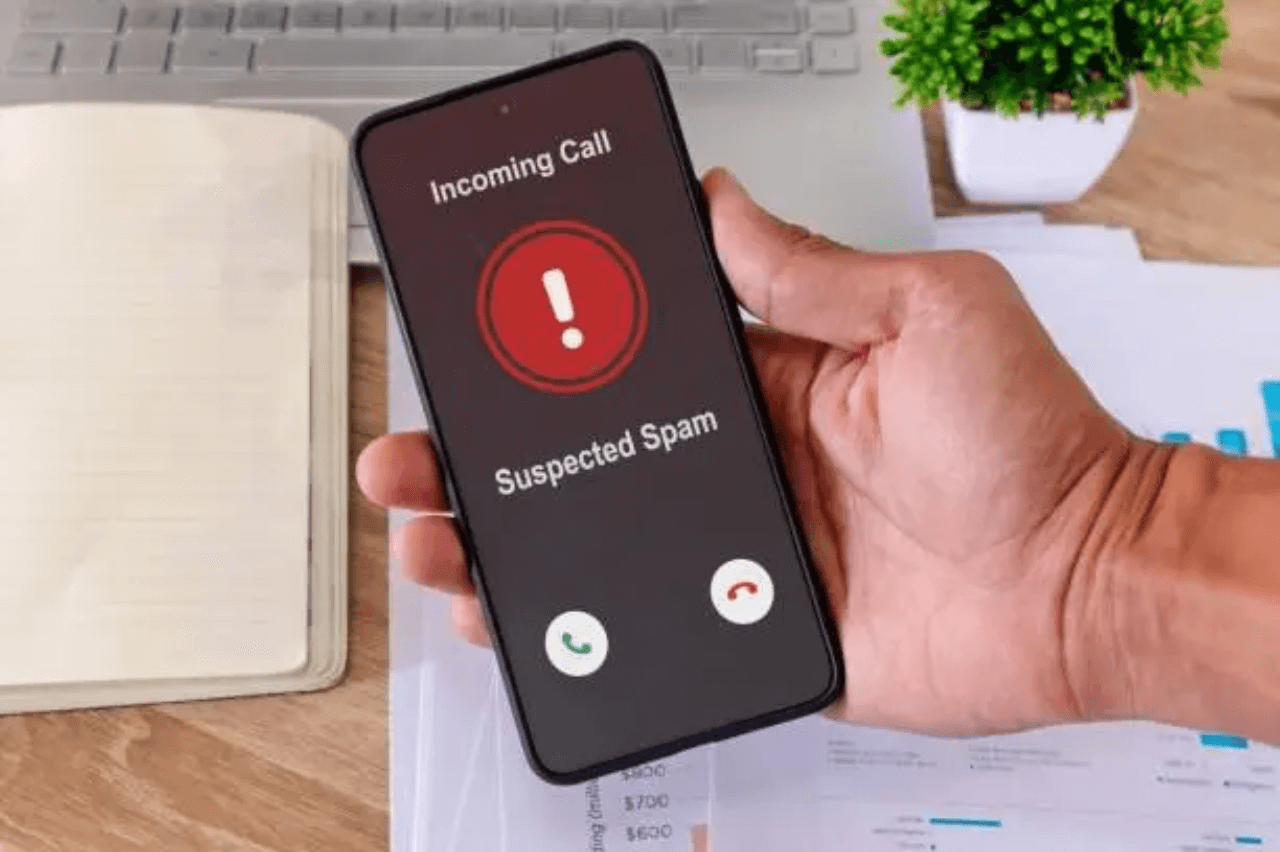
The morning ringtone that wrecks breakfast. Unknown number. A pause, then a sales pitch. Many households know that scene. Telecom Users Alert: New TRAI Rules on Spam Calls Take Effect Today changes that rhythm, at least that is the claim, a shift that even India Current News reflects in its daily pulse. People want calm again.
Why TRAI’s New Anti-Spam Rules Matter Starting Today
India sits on a mountain of spam calls and junk SMS. Banks, fake KYC teams, warranty sellers, travel deals, it all mixes into noise. These rules try to cut it at the root using verified senders, consent tracking, and quicker blocks. Sounds overdue, honestly.
The push arrives after years of complaint channels jammed with screenshots and call logs. The target is sharp. Stop unregistered 10-digit marketing calls, stop random templates, stop recycled SIMs used for mass dialing. Fewer interruptions means safer phones at home and on the road.
Key Changes Introduced Under the New TRAI Regulations
Telemarketers must carry proper registration tied to principal entities and whitelisted headers. Numbers used for promotions cannot look like ordinary personal numbers anymore. Consent needs clear capture, stored evidence, and easy withdrawal. No gray area. That is the point.
Templates for SMS require pre-approval with tagged links and traceable IDs. Operators run real-time analytics to flag strange call bursts, short-duration sprees, or late-night clusters that don’t fit normal patterns. Penalties climb on repeat offences. Painful, but that makes compliance stick. That’s how we see it anyway.
What Telecom Users Can Expect Under the Updated Rules
A quieter call log over time. Not overnight because spammers pivot fast. But complaint thresholds now trigger quicker action, which means serial offenders lose numbers sooner. Transactional alerts, OTPs, and service messages continue without delay. Life still needs its important pings.
Expect visible labels on SMS categories. Promotional tags that tell the truth, not hide it. Fewer surprise pitches during office hours or prayer or bedtime. And no more masking as a friendly unknown number. Small wins, but daily life runs on these small wins.
Step-by-Step: How to Report Spam Calls Under the New System
- Save the number, note the time, and the message text if it was SMS.
- Use the DND app or forward the spam SMS to 1909 with the sender details.
- Mention category if possible. Promotional or transactional. Helps triage.
- Keep the complaint ID. Follow up if that caller returns. A bit fussy, yes.
- Encourage family to report, not just block. Patterns get caught only in numbers.
Complaints stack across users. Once the line crosses the new threshold, operators act. Disconnection, blacklisting, stronger filters at the network edge. Think of it as community hygiene. Sometimes it’s the small habits that matter.
Old vs New TRAI Rules: What Has Changed for Consumers
| Area | Earlier practice | New requirement |
| Caller identity | 10-digit numbers used for promotions | Only registered, verified headers and routes |
| Consent | Often vague or buried in forms | Explicit capture, easy opt-out, stored proof |
| Templates | Loose formatting, link confusion | Pre-tagged templates with traceable links |
| Action on spam | Slower thresholds, delayed takedown | Faster triggers, stricter penalties |
| Analytics | Periodic checks | Real-time anomaly detection at operator level |
This table reads simple. Implementation is the work. Feels like real work sometimes.
How the New Framework Impacts Telemarketers and Businesses
Clean lists or no lists. Entities must register on approved platforms, map campaigns to verified headers, and maintain consent logs that can be audited. Lazy dialing dies out. Quality leads carry consent and context. Cheaper to comply than to rebuild after penalties. Most marketers already know.
For small firms, the learning curve stings in the first month. Template approvals, field mapping, opt-out pathways that actually work. But honest campaigns land better when spam is cleared from the lane. Fewer annoyed customers. Fewer calls cut midway. That part helps conversion.
Safety Tips for Users After the New TRAI Rules Take Effect
- Do not reveal PINs, CVVs, or Aadhaar details on calls, even if the caller sounds official.
- Treat links in promotional SMS with caution. Open only if the sender header looks verified.
- Use call labels and spam filters on devices. Not perfect, still useful.
- Report repeat offenders, even if it feels tedious. Habits beat scams over time.
- Teach elders to hang up first, ask later. A simple rule that saves money.
Will the New TRAI Rules Reduce Spam Calls?
Short answer, yes, if enforcement stays sharp and users keep reporting. The system ties numbers, headers, templates, and consent into one trackable chain. Harder to cheat. Not impossible, but harder. Momentum builds when many complaints land together. That’s the trick.
Households should see fewer meal-time pitches, fewer late-night rings, fewer fake KYC scares. It won’t feel dramatic on day one. But two weeks in, patterns shift. Phones feel quieter, safer, almost normal again. That is the aim, and frankly, the bar.
FAQs on TRAI’s Latest Anti-Spam Rules
Q1. Will these rules block every spam call immediately across all networks and circles today?
Not instantly, but the complaint thresholds, verified headers, and real-time analytics create steady pressure that cuts volumes in the coming weeks.
Q2. What happens to telemarketers using normal 10-digit personal numbers for promotions now?
Such numbers face quick disconnection and blacklisting, as promotions must move to registered routes with traceable sender headers.
Q3. Are OTPs and bank transaction messages affected by these changes in any negative way?
No, service and transactional alerts continue through authorized channels, while the new checks focus on promotional and unsolicited traffic.
Q4. How can a consumer withdraw earlier consent that was captured during a store visit or website form?
Use the opt-out path shared in the message or contact the brand’s consent manager; operators route these instructions to registered entities.
Q5. What proof should be kept when filing a complaint against a persistent spam caller or sender?
Save screenshots of messages, call logs, and complaint IDs; these help operators connect patterns and trigger faster enforcement across networks.