
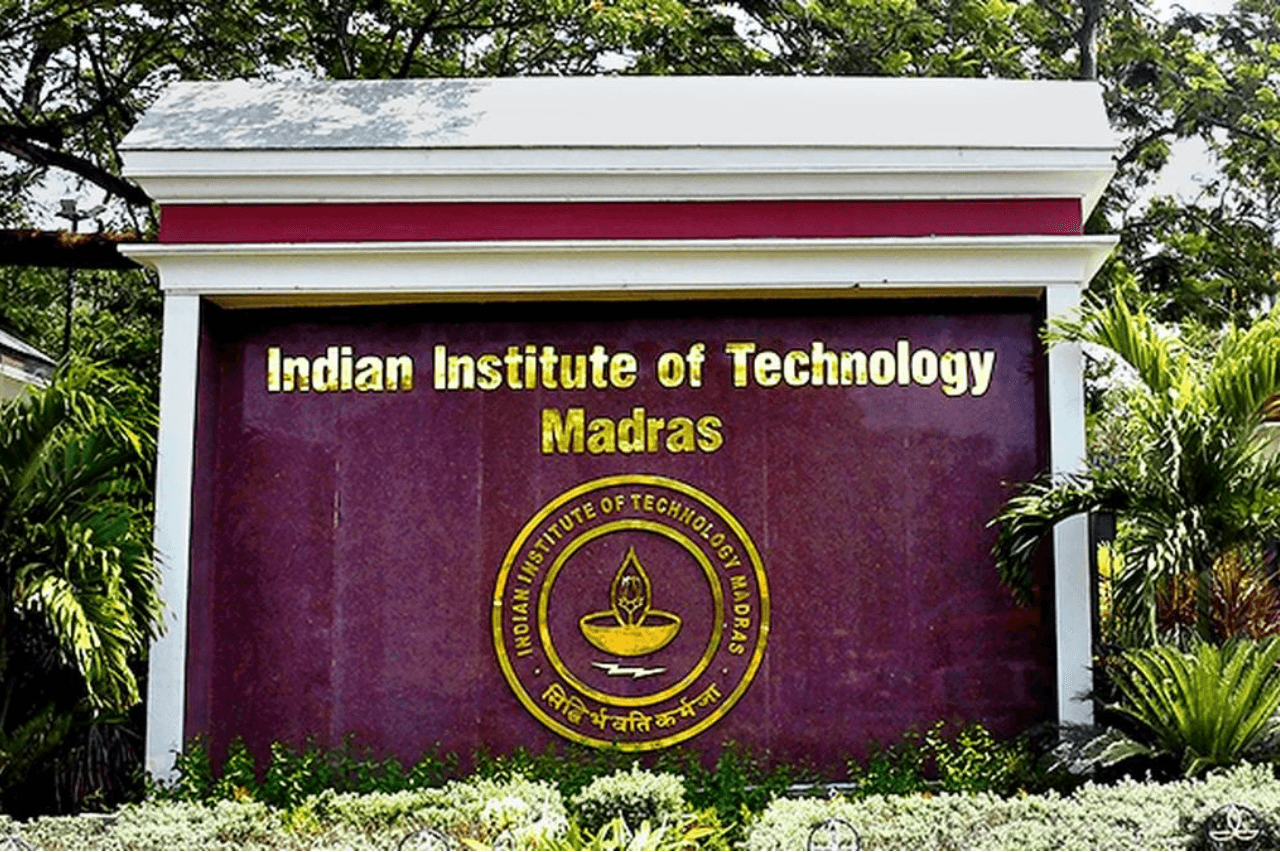
Varanasi woke early to usual temple bells and winter mist. Into that scene arrived the Vidyashakti Tamil learning model, an IIT-Madras Tamil initiative tied to Kashi Tamil Sangamam and practical Tamil learning in Kashi, a quiet development that also sits within the rhythm of what shapes the Latest News in India today. Small start, steady intent. That’s how it reads.
Understanding the ‘Vidyashakti’ Tamil Learning Model
Vidyashakti works like a compact classroom that moves with people. Short lessons, everyday words, steady repetition. The model uses bite-size audio, quick flashcards, and simple drills that can fit into a tea break. One volunteer joked it’s like learning Tamil between two ferry trips. That sounds about right. Materials include common phrases for greetings, directions, food, basic numbers. Nothing fancy. Just what folks can use the same day.
The format supports offline kits for patchy internet. Printed cue cards sit beside QR codes, so a learner can hear correct pronunciation when data is available. A child can point to a picture of a flower, hear the Tamil word, try again, and get a friendly nod. This is everyday Tamil, not exam Tamil. That’s how the team puts it anyway.
Why Kashi Was Selected for the Tamil Learning Initiative
Kashi receives large groups of Tamil pilgrims throughout the year. Boatmen, vendors, and small lodges face the same hurdle each season. Visitors ask in Tamil, locals reply in Hindi, both sides smile, then guess. A few shared words reduce the guessing game, and tempers too. Pilgrim flows, a restless river, make Kashi a natural test bed. And the city has long ties with southern scholars. People here mention that with quiet pride.
How IIT-Madras Is Implementing Tamil Learning Sessions in Kashi
Morning to evening, short Tamil sessions run near ghats and select schools. Ten to fifteen minutes, quick practice, move on. Trainers rotate, sometimes a local teacher takes over. Small certificates come later.
Rollout snapshot
| Activity slot | Location type | What happens |
| Early mornings | Ghat kiosks | Phrase of the day, numbers, polite forms |
| Mid-day | School rooms | Songs with words, picture cards, basic writing |
| Evenings | Community halls | Role-play for vendors, boatmen, lodge staff |
The team sets daily word targets. Five new words, two old words reviewed, one mini-dialogue. Learners repeat aloud, then try with a partner. Sounds simple, feels solid. Small steps stick.
Key Objectives of the Vidyashakti Tamil Education Programme
The programme keeps its list short.
- Build practical Tamil for service touchpoints like boats, food stalls, transport.
- Make mixed-language exchanges calmer and quicker.
- Give students a window into Tamil texts and songs used during pilgrimages.
- Create a basic, repeatable kit that other cities can copy with minimal fuss.
The project prefers measured growth. No rush. No big banner claims. Just a steady arc.
Benefits of the Tamil Learning Model for Kashi Communities
Locals say two things matter most. Clarity and time. Clear words reduce confusion at busy spots. Short lessons keep routines intact. A flower seller learns how to say price, weight, change. A young guide picks up temple terms. A school kid learns a Tamil greeting and tries it on visitors near Assi Ghat. Faces light up. That small moment works as proof better than any poster. Sometimes it’s the small habits that matter.
Immediate gains
- Faster service at boat queues and prasad counters.
- Fewer mix-ups about directions, money, meeting points.
- Children pick up new sounds early, which makes future language learning easier.
- Shared goodwill. Not grand talk. Just warmer exchanges on cold mornings.
Institutions and Stakeholders Driving the Initiative
IIT-Madras coordinates the content, trainer scripts, and feedback loops. Local schools offer rooms and time slots. City administration handles permissions near ghats. Volunteer groups manage attendance sheets and simple tests. A few shop associations pitch in with space and tea for learners. The net effect feels grassroots with a technical spine. That’s how the organisers describe it.
Public Response and Early Impact of the Programme
First week numbers stayed modest but steady, which is normal for a city with moving crowds. Word travels by chai benches. A boatman tried Tamil numbers while counting life jackets and made his crew laugh. Laughter helps memory more than any quiz. Parents report children humming Tamil words with folk tunes taught in class. Early checks show recall rates improving by day four. Not perfect, good enough.
Trainers noticed people return for revision, even after long shifts. Tells you the format respects time. A few visitors from Chennai recorded short clips teaching extra phrases and shared them on phones. This sort of peer add-on keeps the kit alive.
Challenges, Future Plans and Expansion Possibilities
There are friction points. Night shifts cut attendance. Seasonal crowds stretch trainers. Pronunciation needs patient correction. Some areas lack stable power. The team plans thicker cue-card sets, torch-light kits, and more Hindi-Tamil audio pairs spoken slowly. They also want a weekend capsule just for service workers who can’t make weekday rounds. Feels like real work sometimes.
Expansion talk stays cautious. Nearby towns along pilgrim routes might request pilot kiosks. The kit can travel if a partner school steps up. Certification will remain simple: words learned, phrases tested in a short role-play, date stamped card. No jargon, no pressure.
FAQs
1. How does the Vidyashakti Tamil learning model fit into crowded ghat schedules without causing delays for locals and visitors?
Sessions run in short bursts near natural breaks, like after a boat unloads, keeping work uninterrupted and attention fresh.
2. What kind of Tamil phrases are taught first to help workers in markets, boats, and small lodges serve visitors better?
Numbers, greetings, directions, food names, payment terms, and two polite forms that smooth conversations during peak hours.
3. Will schools in Kashi receive structured lesson plans that teachers can run even if outside trainers are not available daily?
Yes, printed packs and audio QR codes allow teachers to repeat lessons and track small tests on their own schedule.
4. How will pronunciation issues be addressed for words that sound very different from Hindi and could confuse beginners easily?
Slow audio pairs, mouth-shape cues, and peer repetition cycles are used, with quick corrections that do not embarrass learners.
5. Can this IIT-Madras Tamil initiative move to other cities that host Tamil pilgrims during festival seasons or large events each year?
Organisers say the kit can travel if a local school or civic body hosts space, schedules slots, and supports volunteer coordination.