

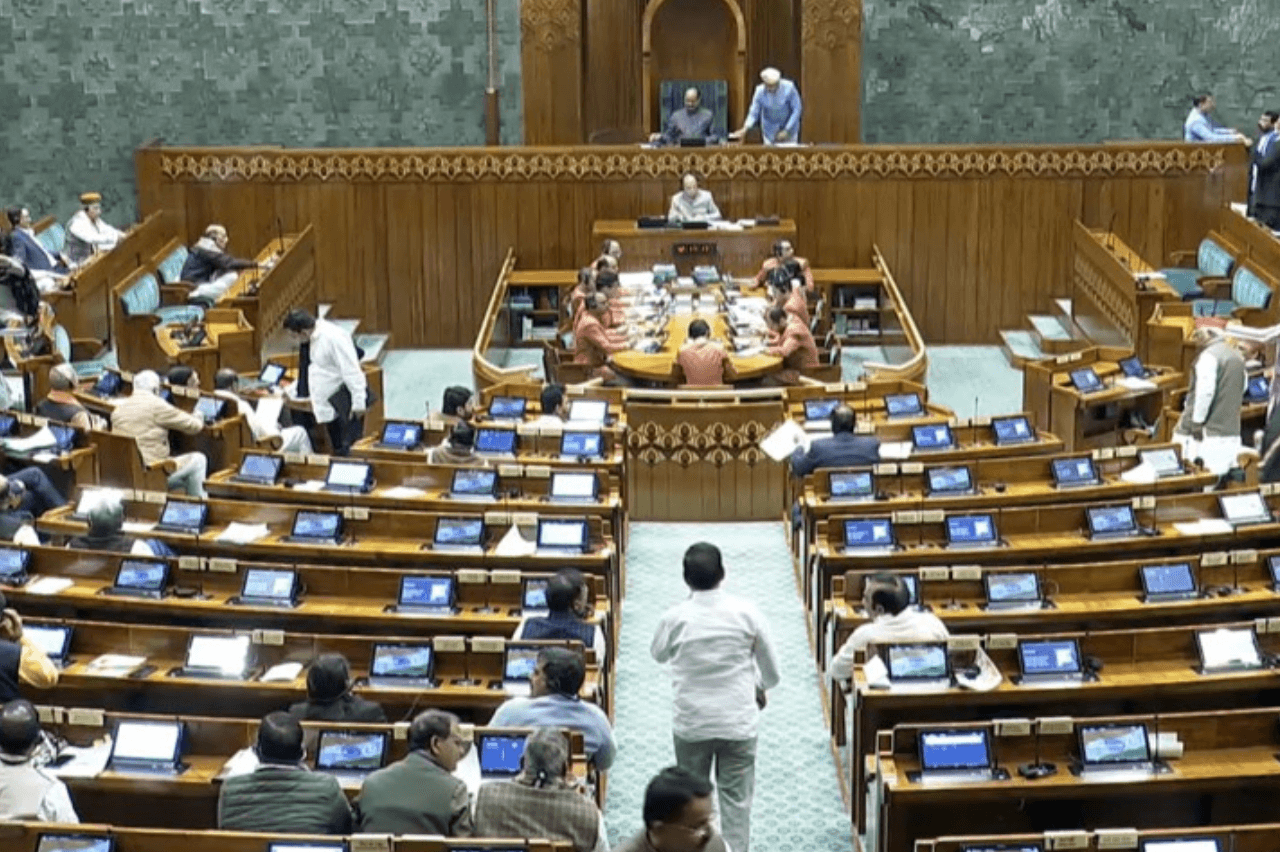
Crowded corridors, TV trucks outside, files tucked under arms. The Lok Sabha takes up the Election Reform Bill as a two-day debate begins, and the room feels warmer than usual. The issue touches voter rolls, machines, appointments, and faith in the count. India Current News shapes how closely people follow these shifts. Small things, big stakes.
Key Highlights of the Election Reform Bill
The bill lands with a practical pitch. Clean rolls, quicker grievance handling, tighter timelines. Officials talk of uniform processes across states so a booth in a coastal village and a metro ward follow the same checklist. That is the promise, at least.
Key points put on record:
- Structured review cycles for electoral rolls, with clear cut-off dates and audit trails.
- Stronger disclosure on polling logistics, including movement logs for machines and storage rules.
- A defined framework for the appointment and tenure of election officials, meant to limit ad-hoc shifts.
- Digital access for voters to track applications and corrections with time-stamped updates.
Some parts sound plain, like housekeeping. Others touch raw nerves. That’s how it looks on the floor today.
Opposition’s Core Concerns and Allegations in Lok Sabha
Opposition benches question timing and trust. They point to voter deletions during past roll revisions and say genuine names slipped out while dead entries lingered. A familiar complaint, yes, but it still stings. They ask for full public logs of additions and deletions, not just summaries.
Another worry circles machines and transparency. Speakers push for wider VVPAT verification and public release of district-level reconciliation data. A few demand paper trails at scale, not samples. There is also heat on the appointment process of top poll officials. Who chooses, on what criteria, what protection from pressure. Feels like old ground, but not settled.
Government’s Defense and Rationale Behind the Reforms
The Treasury benches answer with order and process. The government frames the bill as nuts-and-bolts work that reduces slippage at the booth level. Standard operating procedures, live dashboards for field teams, and better training modules are held up as the fix. They insist the framework protects both speed and accuracy.
On machines, the defence leans on past audits, mock polls, and the layered chain of custody. Counting, they say, already has checks that match global practice. Expand verification without slowing results to a crawl. That is the line. Maybe they’re right on the speed point. People get anxious when counts drag into the night.
Two-Day Debate Summary: Major Arguments From Both Sides
Day one settles the ground rules. Members trade data points, sometimes talking over each other, sometimes pausing for the Chair. The gallery hears repeat themes: roll revision errors, machine confidence, selection of election commissioners, and CCTV retention windows at polling sites. The debate keeps circling back to trust.
Day two tightens focus. Amendments get floated on disclosure, grievance timelines, and the scope of audit sampling. Back-channel huddles form in the lobby; reporters hover for a quote that lands. The mood shifts between technical and political, as it often does here. Not every claim is neat, but the core questions are clear enough.
Tabular Comparison: Proposed Reforms vs Existing Electoral Processes
Before diving deeper, a quick side-by-side helps readers see what changes on the ground.
| Area | Existing Process | Proposed Reform | Likely Effect |
| Voter Roll Revision | Periodic updates with variable state practices | Uniform national calendar with audit trail and appeal windows | Fewer last-minute surprises, clearer fixes |
| Grievance Redress | Paper forms and mixed timelines | Digital tracking with time-bound disposal | Faster closure, traceable status |
| EVM–VVPAT Checks | Sample VVPAT verification | Expanded sampling and public reconciliation notes | Higher visibility, moderate extra time |
| Poll Logistics Disclosure | Limited district bulletins | Standardized movement logs and storage records | |
| Appointments & Tenure | Mixed selection practices | Codified selection and tenure safeguards | Stability at the top, fewer ad-hoc shifts |
Short table, but it tells the story. Sometimes it’s the small habits that matter.
Impact on India’s Election System and Democratic Trust
If roll audits become cleaner and predictable, fewer voters reach the booth and find a surprise. If grievance dashboards work, corrections stop getting lost in the shuffle. If reconciliation notes reach the public quickly, tension eases sooner. Real-world impact looks like shorter queues, fewer disputes, quieter nights after counting. People remember that.
There is a risk too. Extra checks can slow down declarations, and long nights breed rumours. Communication will carry weight. Clear bulletins, steady cadence, not dramatic numbers on TV every ten minutes. Poll workers also need simple guides they can keep in a pocket. Heat, dust, narrow rooms near a school building, those are the conditions. Keep the process doable or it slips.
FAQs on the Election Reform Bill Debate
What is the Lok Sabha Election Reform Bill debate and why does it matter right now?
The two-day debate examines voter roll systems, EVM–VVPAT verification, appointments of poll officials, and disclosure rules that shape trust in results during busy election cycles.
Does the bill change how voters correct names or addresses on electoral rolls?
It proposes time-bound, trackable corrections through digital channels, along with appeal windows, so applicants can see progress instead of waiting in the dark for weeks.
Will VVPAT checks expand and slow the count late into the night?
Expanded sampling has been proposed; the balancing act aims to raise transparency while keeping declaration timelines practical for staff and the public.
How does the proposal address concerns about the selection of top election officials?
It sets a clearer framework for selection and tenure, intended to reduce ad-hoc changes and lower the temperature around appointments during charged periods.
What will ordinary voters notice on polling day if reforms pass as drafted?
They may see smoother lists at the booth, fewer objections in line, more consistent instructions from staff, and quicker public updates when questions arise after polling.