

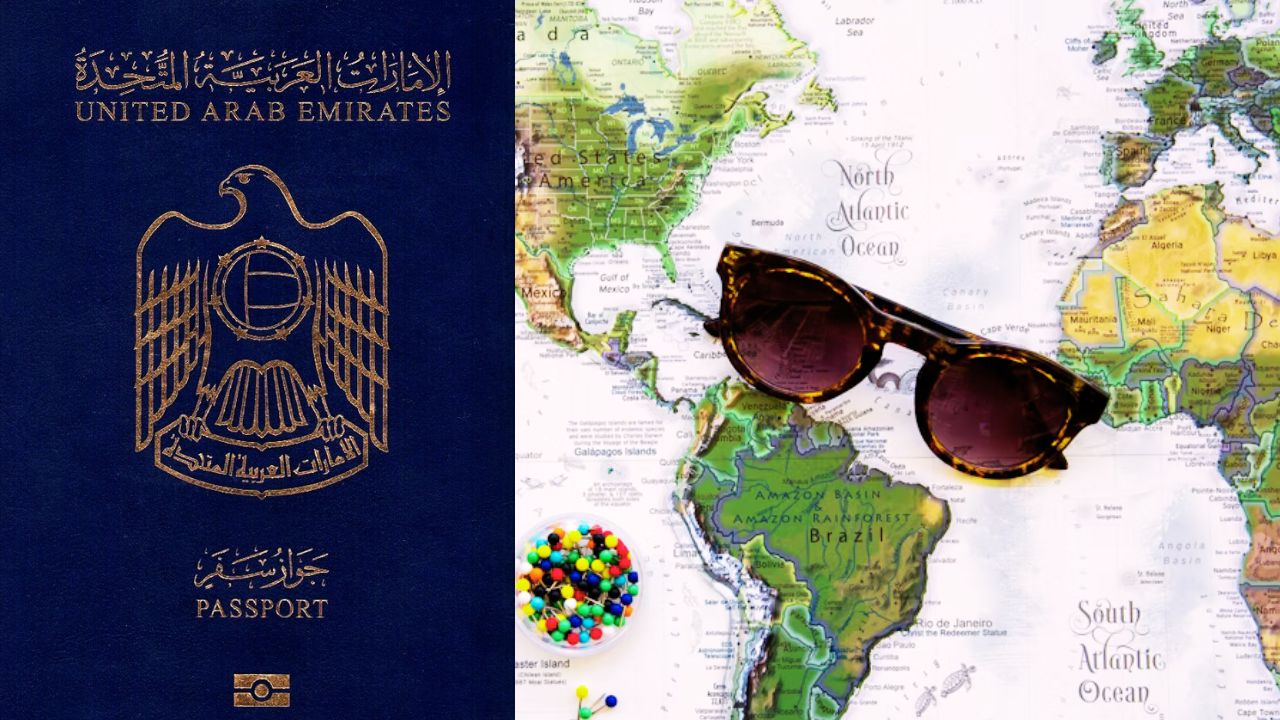
The recently issued Global Passport Index 2025 by Arton Capital suggests that there are substantial changes in international mobility, as there are multiple countries that have been enhanced in terms of visa-free mobility and the general position. The passport index is a very important issue to governments, investors, businesses, digital nomads, and international travellers. India, Pakistan, Yemen, Bangladesh, and North Korea are some of the countries that have witnessed changes this year that are indicative of changing diplomatic relations and geopolitical realities. With countries further enhancing mobility agreements and economic alliances, the 2025 passport index provides a good understanding of how international power, financial stability, and foreign policies influence international travel freedom. For Latest News.
Position of India in the 2025 Passport Index and Regional Relocation
India has a steady middle position at 69th in the 2025 passport index. Although the rating of India did not jump significantly, it shows a gradual but positive change in terms of diplomatic efforts, trade alliances, and general partnerships with other countries worldwide. However, the mobility of Indian passport holders to the Asian-Pacific, Gulf, and African nations is growing, albeit at a slow rate, as compared to the regional rivals like Singapore or the UAE. Tourism is one of the important departments of Southeast Asian countries like the Philippines, 14-day Visa Free Entry! Philippines Rolls Out Red Carpet Welcoming for Indian Travelers.
Comparatively, changes in the positions of some South Asian countries were observed. Bangladesh, Yemen, North Korea, Palestine, and Eritrea have shown better results in the 2025 passport index, which is an indicator of increased visa-free or visa-on-arrival agreements. However, Pakistan is still one of the lowest-ranked, with only 45 destinations being visa-free, which puts it at the bottom with Afghanistan, Syria, and Iraq. Such rankings demonstrate the diverse worldwide politics that exist in the area and the significance of globalisation in enhancing mobility.
The UAE is the Leader in the 2025 Passport Index and Global Mobility Trends
The United Arab Emirates (UAE) has been ranked number one in the 2025 passport index, which is now its 7th consecutive rating as a global mobility powerhouse in the world. UAE passport holders have access to 179 destinations with visa-free access, and it places the country at the top of the list. The increase in the number of passports in the country is explained by a number of long-term factors:
- Investment-friendly policies
- Economic stability
- Powerful international relations and politics.
- Effective international trade growth.
Through new mobility corridors and enhanced bilateral travel agreements, the UAE remained on course even during the COVID-19 pandemic when most global passports were weakened.
Read more: Top 10 Cheapest International Destinations from India in 2025
Additional Best Performers in Global Passport Index 2025
This year, significant movement was at the head of the passport index:
- Singapore has recorded the greatest jump as it has moved up to 2nd position, having been ranked 30th. Singapore has one of the best passports in the world, with 193 visa-free destinations, which are tied with Spain in terms of mobility.
- Spain, which is in 2nd place, provides visa-free access to 175 destinations and is still enjoying the EU collaboration and the strong networks.
- This is a list of ten countries that jointly occupy the 3rd place and have access to 174 destinations without a visa. These contain a number of European countries that constantly top the list based on good Schengen treaties and a good geopolitical base.
Ranking categories are further divided into more specific ones:
- 4th place: Germany, Italy, Luxembourg, Spain, Switzerland, 188 destinations.
- 8th tied: Croatia, Estonia, Slovakia, Slovenia, United Arab Emirates, United Kingdom -184 destinations.
These changes support the international pattern according to which passport power is directly dependent on the diplomatic policy and economic dimension.