

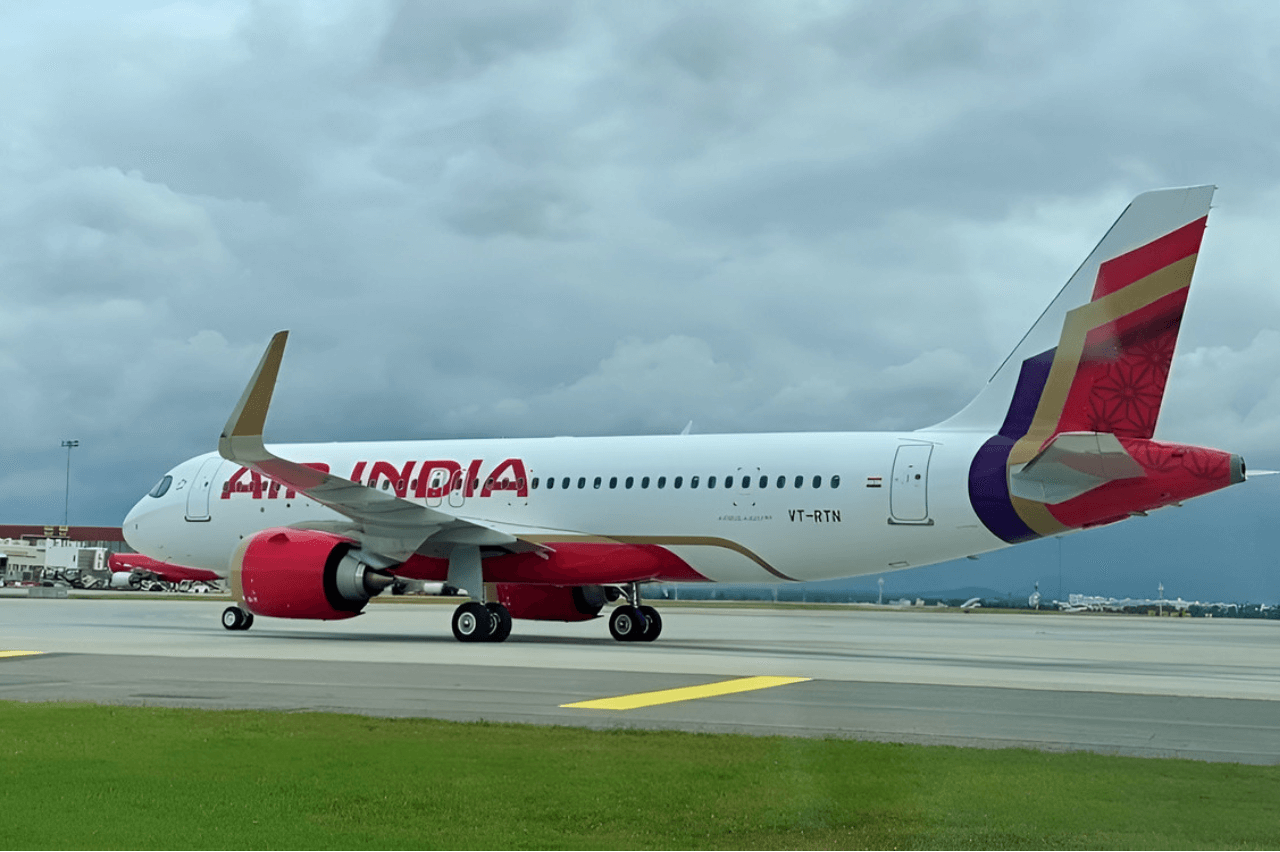
IndiGo cuts capacity and Air India steps in with 275 extra flights, and the timing could not feel tighter. Airports already sound louder in December, more trolley wheels, more boarding calls, more tired faces near the gates. This shift aims to keep seats available and schedules moving, even as pressure builds on India’s busiest domestic routes, reflecting India Current News dynamics across the aviation sector.
What Triggered IndiGo’s Sudden Capacity Cut?
The immediate trigger sits around reliability. Regulators and airport systems cannot keep absorbing repeated delays and last-minute changes at scale. IndiGo, as the largest domestic carrier, faces extra scrutiny when operations wobble, because the ripple spreads fast across terminals, baggage belts, and connecting banks of flights.
And yes, passengers notice. The moment a cancellation appears, help desks fill up, tempers rise, and the air near the counters turns warm and cramped. That’s the problem authorities try to solve.
Why IndiGo Is Reducing Flights Across Key Routes
A capacity trim usually lands hardest on dense corridors, metro pairs, and high-frequency slots. IndiGo can reduce flying without “exiting” a route, by cutting select frequencies and keeping core timings intact. It is a practical move, not a dramatic one.
Still, it stings. Business travellers depend on choice at odd hours. Families depend on predictable mid-day flights. When fewer options sit on the board, people end up shifting plans, taking longer layovers, or paying more for a seat that suits school and office timing.
Air India Steps In with 275 Additional Flights
Air India’s decision to add 275 additional flights is the headline response, and it reads like a classic capacity swap. One carrier pulls back, another fills part of the gap, at least during the peak travel window.
Air India also has a different network shape, with mixed trunk routes and connecting flows. That helps when extra flights need quick deployment. The airline can increase frequency on corridors that already have crew patterns, ground handling familiarity, and parking arrangements. Practical stuff. Unglamorous, but it matters.
How the Added Air India Flights Stabilise December Travel
Extra flights do not “fix” every disruption, but they reduce the panic. More seats on the same day means fewer people sleeping on cold terminal chairs, fewer desperate reschedules, fewer frantic calls to relatives waiting at arrivals.
A steady flight map also steadies pricing behaviour. When inventory dries up, fares jump fast. When inventory returns, the jump slows. Airlines still price by demand, of course, but a sudden shortage eases a bit. Feels strange sometimes, watching the market behave like this. Yet that’s how aviation works during peak weeks.
Impact on Passengers During the Capacity Shift
For passengers, the change shows up in three places: availability, timing, and support queues. Small shifts in frequency can create big gaps, especially on routes that used to run every hour. And when people rebook at the same time, app screens lag, call centres stretch, and counters get noisy.
| Passenger headache seen at airports | What usually helps in real life |
| “No seats left today” message | Checking alternate airports in the same region, then comparing travel time |
| Tight connection risk | Choosing a longer buffer and avoiding last flight of the day when possible |
| Rebooking confusion | Keeping screenshots of original itinerary and fare rules, then using one channel only |
| Surprise schedule change | Tracking flight status early morning, not just two hours before departure |
A small tip that saves time: stick to one rebooking channel. Switching between app, agent, and counter often creates duplicate requests. Messy.
How Other Airlines Are Responding to IndiGo’s Cutbacks
Other carriers tend to move carefully. Adding flights needs slots, aircraft availability, crew legality, and ground handling capacity. Still, competitors usually watch these moments closely. Any open seat demand becomes an opportunity, especially on metro routes where aircraft utilisation can stay high.
Passengers might notice slightly improved availability on some sectors, plus tighter pricing discipline on others. Not every airline will expand, but many will adjust aircraft type or add an extra frequency where it fits cleanly into the day. It is less about heroics, more about workable scheduling.
Government and DGCA Measures to Maintain Market Stability
Regulators have a straightforward goal: keep the system reliable during peak travel. Capacity alignment, monitoring operational metrics, and pushing airlines to stick to realistic schedules forms a common toolkit.
DGCA oversight also tends to push better communication. Passengers mainly want clarity: cancellation confirmed early, rebooking options visible, refunds processed without a wrestling match. When that clarity improves, chaos drops. And let’s be honest, some days the frustration is not even the delay. It is the silence around it. That part needs fixing across the industry.
What This Means for India’s Aviation Industry in 2025
This episode highlights a wider truth. India’s domestic demand keeps rising, yet operations remain sensitive to staffing, aircraft availability, and airport congestion. A single airline’s stress quickly becomes a national travel problem. In 2025, airlines likely focus harder on schedule realism, reserve crew planning, and spare aircraft strategy. Airports and air traffic systems also face pressure to keep turnaround times stable. The sector can grow, but growth without reliability feels like running on a loose shoelace.
FAQs
1) Why did IndiGo cut capacity during the busiest travel month?
The cut links to operational reliability and system pressure, since repeated delays and cancellations disrupt airport flow and passenger handling.
2) Do the 275 additional flights cover every route affected by the IndiGo reduction?
No, they mainly support high-demand corridors where Air India can add frequency quickly without breaking crew and aircraft rotations.
3) Will airfares drop because Air India added more flights?
Fares may stabilise on some routes due to extra seats, yet peak demand still keeps prices firm across many sectors.
4) What should passengers do if their flight timing changes at the last minute?
Passengers should verify status early, keep booking proof handy, and use one rebooking channel to avoid duplicate requests.
5) Is this situation likely to continue into 2025?
Short-term disruption may ease, but India’s aviation system will keep facing peak-season stress until capacity, staffing, and airport throughput improve.