

Madurai To Host Its First Literary Festival has already started a small chatter in local circles, the kind that travels on WhatsApp before it hits posters, placing it among the Top Stories in the city right now. Bookshop owners near Town Hall Road talk about it between sales. College students mention it in passing near tea stalls. The city is getting ready.
Why Madurai Is the Ideal City for a Literary Festival
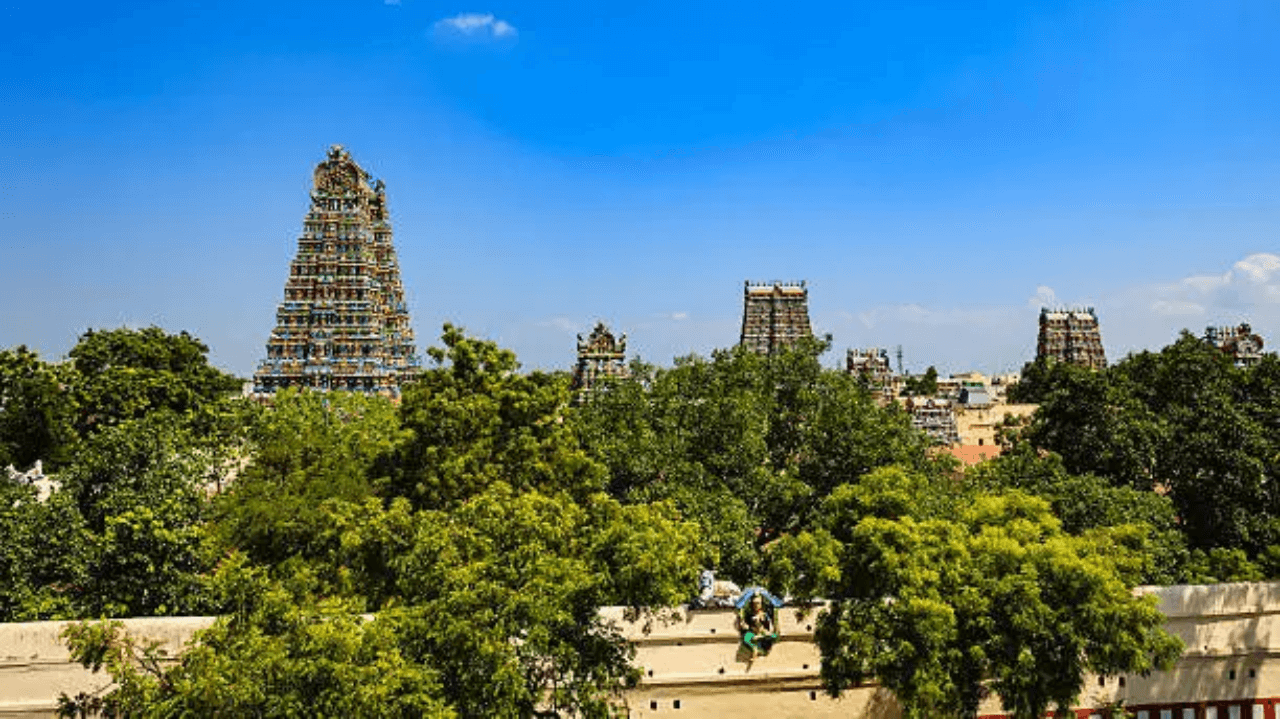
Madurai carries literature like a habit, not like a showpiece. The morning air near Meenakshi Amman Temple smells of jasmine and filter coffee, and people still quote old lines in normal conversation, even if they pretend they do not. Tamil writing has long roots here, and the city’s pace suits reading. Not rushed, not sleepy. Just steady.
There is also something practical. Madurai already handles crowds during temple seasons and holiday weekends. Roads, stays, food options, all exist. A literary festival fits into that system without turning the city upside down.
Overview of Madurai’s First Literary Festival
Organisers describe this as Madurai’s first full-scale literary festival, planned as a public event with talks, conversations, performances, and smaller sessions that feel less formal. The idea is simple. Bring writers and readers into the same space and let the city do the rest.
Local cultural circles have pushed for a larger platform for years. Smaller book events happen often, but a festival brings momentum. It also brings attention, which can be annoying sometimes, but it also helps. Bookstores know that.
Proposed Dates and Organising Authorities
Early communication points to a two-day festival window, set near the end of January 2026. The administrative side sits with district-level leadership, with tourism and cultural teams expected to support logistics, permissions, and public coordination.
| Item | Current Detail |
| Proposed timing | Late January 2026, two days |
| Key organisers | District administration, tourism-linked support teams |
| Entry approach | Public-facing, likely registration-based |
People planning travel usually ask the same things first. Dates, venue list, timing slots, and parking. Those details typically arrive closer to launch, and that is normal in Tamil Nadu event planning. A little last-minute, but manageable.
Key Heritage Venues Expected to Host Events
Madurai does not need a fancy new hall to look important. Heritage spaces already carry weight. Event planners appear keen to use locations visitors recognise instantly, such as the temple zone, palace areas, museum pockets, and heritage-linked sites on the city edge.
Such venues change the mood. A discussion on history feels sharper inside an old building that has seen centuries. Even the sounds matter. Footsteps on stone. Ceiling fans. A microphone testing in the background. It makes the event feel rooted, not staged.
Themes and Focus Areas of the Literary Festival
The festival programme is expected to keep a wide range. Tamil writing sits at the centre, yet organisers also want space for contemporary fiction, non-fiction, translation, history, cinema writing, and children’s storytelling. That range matters. A festival collapses if it becomes one-note.
Some sessions usually do well in cities like Madurai:
Practical writing talks, translation discussions, local history sessions, and a few sharp debates that make audiences lean forward. People enjoy disagreement if it stays respectful. And yes, organisers may need to keep one eye on timing. Panels love overtime.
Role of Tamil Literature and Sangam Legacy
Any literary event in Madurai naturally carries the Sangam shadow, not the dramatic kind, just the historical fact sitting in the room. The city’s identity links to classical Tamil literary memory, and even casual visitors hear the word “Sangam” during temple walks or museum visits.
That legacy also creates expectations. Audiences will not accept shallow talk. They want references, names, context, and honest discussion. A speaker trying to act too smart without substance will get silent stares. That silence can be brutal, honestly.
Expected Speakers, Writers, and Cultural Voices
Speaker lists usually come late, and organisers keep options open until travel and schedules confirm. Still, a first edition tends to mix well-known writers with academics, journalists, translators, poets, and a few cultural figures who draw crowds beyond the book world.
Madurai colleges and local literary circles may also get representation. That matters because a festival becomes believable only when local voices appear on stage, not only outside celebrities. Readers notice. They always do.
Cultural Programmes and Public Engagement Activities
Literary festivals in India rarely stay limited to books. Music, theatre, classical performances, folk elements, and small exhibitions usually sit alongside talks. That combination works well in Madurai because audiences already attend cultural events regularly.
Public engagement could also include book stalls, short readings, school-linked sessions, and city walks that tie stories to streets. A short heritage walk ending near a book counter sounds like an easy win. People remember experiences more than stage photos.
Impact on Tourism and Local Economy
A two-day festival brings small but visible movement. Hotels see extra bookings. Autos run extra trips. Tea shops do better. Bookstores sell more, and not only bestsellers. Even a modest spike helps.
There is also a longer effect. A visitor who attends a session at a palace and then spends the evening shopping near Puthu Mandapam carries that memory home. That memory turns into repeat travel. Tourism boards like that kind of outcome because it does not depend on one monument alone.
How the Festival Positions Madurai on India’s Literary Map
Many Indian cities host literature events now, so the question is not “why another one”. The question is “what makes this one Madurai”. The answer lies in heritage venues, Tamil literary depth, and the city’s natural comfort with culture that is not overly polished.
If organisers keep programming tight and avoid overcrowding panels with too many speakers, the festival can earn a serious reputation quickly. First editions get judged harshly. Sound system, seating, schedule discipline, basic signage. The small things decide the public mood.
FAQs
1) When is Madurai’s first literary festival expected to take place?
Early updates indicate a two-day event planned near late January 2026, with final timing expected closer to launch.
2) Will the festival focus only on Tamil literature?
Tamil writing is likely to lead, yet organisers are expected to include translation, history, fiction, and children’s sessions too.
3) Are heritage venues likely to be part of the festival plan?
Yes, heritage locations are expected, since they suit Madurai’s identity and also add atmosphere to talks and readings
4) How can residents and visitors participate in the festival?
Public entry is expected, with registration likely used to manage crowds and session access, especially during peak hours.
5) What benefits can the festival bring to Madurai in practical terms?
It can increase short-stay tourism, support local businesses, and build a lasting cultural event that returns each year.