

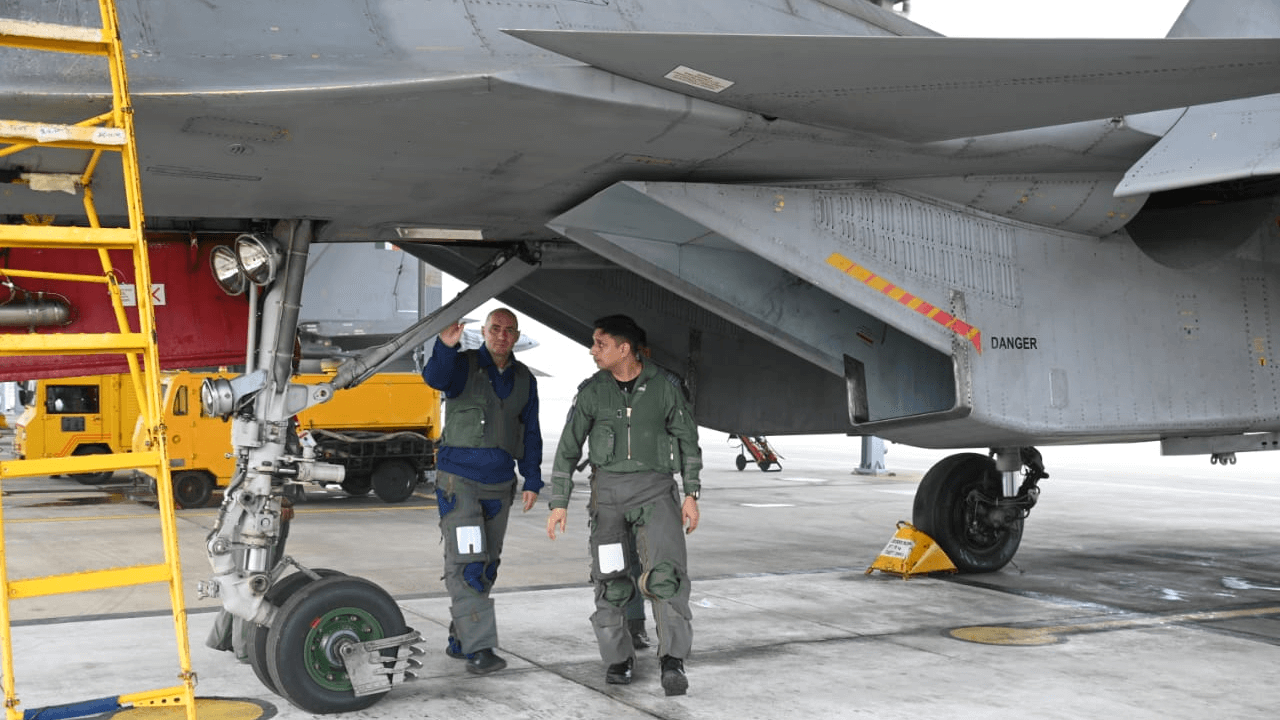
The India-Russia joint air exercise AviaIndra-2025 is underway, and it is the sort of drill that rarely stays quiet in defence circles, drawing attention as Latest News in India. On the ground, the air smells sharp with jet fuel and hot tarmac. In the air, the focus stays on procedure, coordination, and timing. India-Russia Joint Air Exercise AviaIndra-2025 brings two air forces back into shared training, with an eye on practical mission work, not ceremony.
What Is India-Russia Joint Air Exercise AviaIndra-2025?
AviaIndra-2025 is a bilateral air exercise involving the Indian Air Force and the Russian Aerospace Force. The name has shown up earlier in defence calendars, and it generally signals joint flying training, mission planning, and coordinated air operations. Not a parade. Not a photo-op exercise.
It sits inside a wider pattern of India-Russia military engagement seen across services over the years. Air exercises like this usually aim at building shared habits. The boring things matter most: radio discipline, timing windows, airspace safety, and making sure crews interpret instructions the same way. Feels plain on paper. In real operations, that “plain” can decide outcomes.
Where and When Is AviaIndra-2025 Being Conducted?
AviaIndra-2025 is being hosted in India during December 2025, and reports indicate the exercise is currently ongoing. Specific base names are not always pushed into public view during active schedules, and that is normal. Air training needs controlled airspace, quick technical support, and secure movement on ground.
These exercises typically run on tight daily cycles. Early briefings, flight line checks, short mission windows, then debriefs that can stretch longer than the flying itself. Anyone expecting dramatic dogfight talk misses the point. Most of the real work sits inside planning rooms that smell like coffee and printed maps.
Air Forces Participating in AviaIndra-2025
The exercise involves two main participants:
- Indian Air Force (IAF): hosting, coordinating airspace, logistics, and mission sets.
- Russian Aerospace Force (VKS): participating with crews and operational teams for joint training objectives.
The visible part is aircraft movement and joint sorties. The less visible part is the mixed teams: planners, technicians, safety officers, and controllers. They do not get headlines, but they keep the exercise clean and safe. And yes, safety is the headline nobody wants to earn the hard way.
Objectives of India-Russia Air Exercise AviaIndra-2025
AviaIndra-2025 aims to tighten operational coordination between the two air forces through structured training. The expected objectives usually include:
- Interoperability during joint air missions
- Shared tactics and mission planning habits
- Communication drills that reduce confusion in dynamic airspace
- Operational familiarity with each other’s procedures and working style
A small but real objective also exists: building professional comfort. Pilots and controllers need to trust what they hear on the radio. That trust is earned in exercises, not speeches.
Key Training Activities and Operational Focus Areas
AviaIndra exercises generally run through multiple mission patterns. Not every detail gets published during active phases, but the broad focus stays familiar in air training.
Common activity buckets include coordinated air missions, controlled intercepts, airspace management drills, and structured debrief routines. The training also tests how quickly teams switch plans when weather shifts or timing slips. That happens a lot, even in calm conditions.
A quick snapshot of what this usually looks like on a practical level:
| Focus area | What gets practised | Why it matters |
| Mission planning | Route, timing, roles, contingencies | Reduces errors once airborne |
| Airspace control | Separation, clearances, radio discipline | Keeps sorties safe and orderly |
| Joint sorties | Coordinated tasks in one mission window | Builds shared operating rhythm |
| Debrief process | Reviewing decisions and comms | Improves next-day performance |
Some may roll eyes at debriefs. Old hands never do. Debriefs are where ego gets parked and learning starts, even if it stings a bit.
Strategic Significance of AviaIndra-2025
This exercise carries strategic value mainly because it signals ongoing defence engagement between India and Russia. Joint drills show operational contact is active, not just written into agreements.
It also serves a practical purpose. Air power is expensive to maintain and harder to coordinate across partners. Exercises provide a controlled space to test procedures without real-world stakes. That saves headaches later. And it reduces the “new partner confusion” that can creep in during crisis coordination.
There is also a signalling angle, though nobody needs to shout about it. Regional watchers notice these calendars. Defence messaging often travels quietly, inside schedules and participation lists.
AviaIndra-2025 and India-Russia Defence Cooperation
India and Russia have a long defence relationship, including platforms, maintenance cooperation, and training exchanges. AviaIndra-2025 fits that tradition on the air side. It keeps professional links alive at unit level, which is the level that matters in real operations.
A small point that often gets missed: exercises also help with process alignment. Things like maintenance checks, ground handling routines, and technical terminology can differ. Those differences become friction if left untouched. AviaIndra-style engagement pushes that friction into a safe training room instead of a real operation. Good move, honestly.
Why AviaIndra-2025 Matters in 2025
The year 2025 sits inside a tense international climate, with security pressures across multiple regions and more attention on readiness. Joint air exercises matter because they test readiness in a way paperwork cannot. Routine coordination, standard calls, and clear rules reduce risk in fast situations.
AviaIndra-2025 also matters for a simpler reason: air forces need flying hours and structured training cycles. Joint drills add complexity, and complexity exposes weak points quickly. That is uncomfortable. It is also useful. Feels strange sometimes, but that discomfort is where improvement sits.
Key Takeaways from India-Russia Joint Air Exercise AviaIndra-2025
AviaIndra-2025, underway in December 2025, reinforces operational contact between the Indian Air Force and the Russian Aerospace Force. The exercise centres on joint mission planning, coordinated sorties, airspace control discipline, and the kind of debrief culture that fixes mistakes before they repeat. The strategic signal is obvious, yet the practical value is the stronger part. Training time spent on timing windows, clear comms, and shared procedures tends to pay back later, quietly. That is the nature of air work. It looks calm, until it is not.
FAQs
1) What is the main aim of India-Russia joint air exercise AviaIndra-2025?
The main aim is joint air training that improves coordination, radio discipline, and mission planning between two air forces.
2) Why do air exercises like AviaIndra-2025 focus so much on debriefs?
Debriefs capture small errors in timing and communication, and fixing those small errors prevents bigger problems later.
3) Does AviaIndra-2025 indicate a broader defence relationship in action?
Yes, joint exercises usually reflect ongoing defence engagement, including training contact and operational familiarity at unit level.
4) What type of learning happens during India-Russia joint air drills?
Learning includes procedures, airspace control habits, safety routines, and practical coordination during changing mission conditions.
5) Why does AviaIndra-2025 matter for 2025 security readiness?
It matters because it tests real operational processes under controlled conditions, improving readiness without real-world operational risk.