


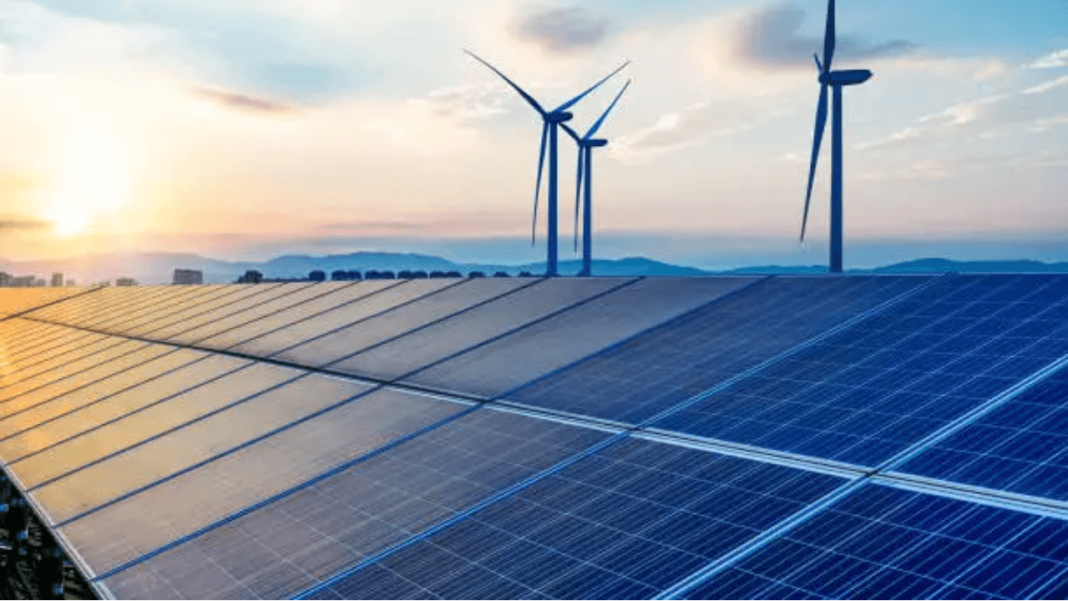

ReNew Energy has announced a long-term arrangement linked to a new solar power project in Rajasthan, with Google connected as the key corporate counterparty. The plan centres on enabling a utility-scale solar facility, built and operated by ReNew, aligned to Google’s clean electricity goals in the market.
Industry watchers treat such arrangements as practical, not sentimental. A predictable buyer on the other side reduces payment risk, supports project finance, and lets construction schedules hold steady — a point often highlighted in Latest News in India. And yes, schedules matter, because equipment deliveries and grid approvals tend to punish even small delays.
Why Rajasthan Is a Strategic Location for Large-Scale Solar Energy
Rajasthan stays a natural choice for large solar builds because sunlight arrives in bulk and keeps turning up. The heat can be brutal by mid-day. Panels do not complain, though maintenance crews certainly do. Wide land parcels, clear skies, and long sunny seasons keep output expectations realistic.
Grid access remains the make-or-break point. Developers often speak about land first, but the real headache sits at evacuation and transmission. Rajasthan has expanded its renewable corridors over time, and that groundwork keeps attracting big-ticket solar proposals that need room, sun, and a stable path to the grid.
Google’s Role in Accelerating Corporate Renewable Energy Adoption
Google’s involvement signals the growing habit of corporates putting money behind clean power, not only talking about targets. Big companies want energy attributes tied to new generation, so the claim sits on actual additional supply entering the system. That preference pushes developers to build fresh assets instead of shifting existing green power around.
This approach also fits the way modern supply chains work. Vendors, contractors, data operations, and support services all draw electricity in different pockets. Corporate procurement linked to solar projects helps clean up that footprint in a measurable way, even if the paperwork can feel endless.
ReNew Energy’s Expanding Role in India’s Renewable Power Sector
ReNew Energy has built a reputation around scale projects, disciplined execution, and a pipeline mindset. In India’s renewable market, that matters because the sector rarely rewards casual planning. Land approvals move slowly, grid studies take time, and contractors need firm timelines, not loose optimism.
ReNew’s broader strategy has included more commercial and industrial arrangements in addition to utility supply. Corporate-linked deals add diversity to revenue streams. They also encourage better performance tracking, because sophisticated buyers ask tough questions about generation, verification, and delivery.
Environmental Benefits of the ReNew–Google Solar Project
Solar power replaces a slice of fossil generation that would otherwise meet daytime demand. That shift reduces emissions tied to grid electricity, and it does so quietly. No smoke stacks, no fuel trucks, no daily combustion cycle. The loudest sound near a solar site often ends up being the wind and the occasional inverter hum.
There is also a practical environmental angle that gets ignored: local air quality. Fewer fossil units running at the margin can ease pollution load during peak conditions. Residents may not notice it in a single week, but the direction adds up over years, and that is the point.
Economic and Infrastructure Impact on Rajasthan
Large solar projects bring construction activity, transport contracts, and service work. It is not glamorous work. It is trenching, cabling, mounting, cleaning, inspections. Still, these are steady jobs, and they spread across local vendors who supply everything from gravel to meals for site teams.
The infrastructure effect is longer-term. Substations, transmission upgrades, and roads built for equipment movement keep serving future projects too. Locals often joke that the best roads arrive only after heavy machinery needs them. It is a fair joke, and also a fair observation.
How the Project Supports India’s Renewable Energy Targets
India’s renewable energy targets depend on consistent annual additions, not one-off announcements. A Rajasthan solar project backed by a large corporate buyer supports that rhythm by making a new build easier to finance and easier to defend on timelines.
A project of this type also helps normalise private sector participation in clean energy expansion. Government tenders remain essential, but corporate procurement adds another lane of demand. Two lanes are better than one, especially during years when grid demand rises and peak load keeps stretching planners.
Corporate Renewable Energy Partnerships as a Growth Catalyst
Corporate partnerships push better contracting standards and tighter operational reporting. They also bring a different kind of pressure. Delivery dates become serious, performance data gets audited, and compliance documents become thicker than anyone likes.
A small snapshot helps keep it clear:
| Item | What it means on ground |
| Developer | ReNew Energy manages build, operations, and grid integration |
| Corporate buyer | Google links procurement to new solar generation |
| State | Rajasthan offers strong solar conditions and space for scale |
| System impact | More clean electricity enters the grid during daytime demand |
What This Project Signals for the Future of Solar Energy in India
More such deals are likely, because corporates want predictable clean power claims and developers want predictable buyers. The market is moving toward stronger verification, clearer contract terms, and more attention to grid constraints. Storage may enter the conversation more often too, because solar output and evening demand still do not match neatly.
At the ground level, the future will depend on basic things: land clarity, grid readiness, and timelines that survive monsoon season, festival breaks, and supply chain surprises. The romance sits in speeches. The real work sits in schedules.
FAQs
1) What makes the ReNew Energy and Google solar project in Rajasthan newsworthy for India’s renewable sector?
It links a large corporate buyer to a new solar build, improving project finance confidence and delivery discipline.
2) Why does Rajasthan keep attracting utility-scale solar energy projects year after year?
High sunlight levels, large land parcels, and improving transmission planning support larger projects with predictable generation potential.
3) How does corporate renewable procurement differ compared to regular grid power purchase arrangements?
Corporate procurement often requires tighter verification and reporting, and it typically supports new capacity rather than reallocating existing supply.
4) What local economic activity can a solar project like this create in Rajasthan districts?
Construction services, transport contracts, maintenance roles, and indirect vendor work usually rise during build and early operations periods.
5) How does this project connect to India’s broader renewable energy targets and grid planning needs?
New solar additions help meet capacity goals, while corporate demand supports finance, and grid upgrades strengthen future renewable integration.