

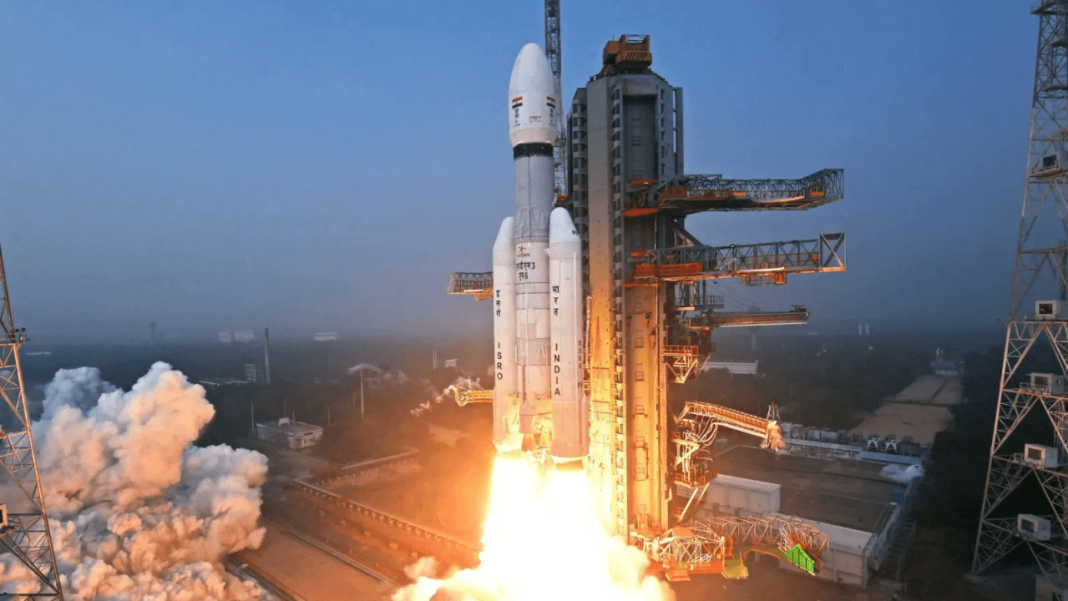

A phone showing “No Service” is a familiar irritation on hill roads, coastal stretches, and long highway runs. The BlueBird Block-2 satellite launch, according to India Current News, has pushed a new idea into that moment: 120 Mbps space-to-phone connectivity, using regular smartphones and standard mobile network methods. The headline sounds bold, but the interest is practical.
Calls that connect. Messages that leave the outbox. Basic data that works when towers fall short. BlueBird Block-2 aims to push direct-to-device links beyond emergency texting and into real mobile broadband, at least in pockets.
What Is BlueBird Block-2 and Why It Matters
BlueBird Block-2 is a direct-to-device communications satellite designed to link satellites with everyday mobile phones, not special terminals. The goal sits in plain sight: extend mobile coverage across areas with weak tower density, damaged infrastructure, or harsh terrain. Telecom operators watch it closely because it changes the old equation.
Building towers takes time, permits, land access, power, and maintenance. A satellite in low orbit skips several of those headaches. Not all, but enough to matter.
Key Features of the BlueBird Block-2 Satellite
The satellite focuses on one big promise: strong signal reach into normal phones. That requires large antennas, careful power design, and smart beam management. Industry watchers talk about coverage “cells” in the sky, like invisible patches where a handset can latch on. The satellite also targets standard cellular behaviour, so a phone does not need a new app or an extra gadget. A plain handset, kept charged, becomes the key device. Simple, on paper.
How Space-to-Phone Connectivity Works
The link works like a distant cell tower, except the “tower” moves fast across the sky. The phone sends and receives over cellular spectrum, while the satellite handles the relay. Then a ground gateway routes traffic into the regular telecom core network. And yes, timing becomes everything. The satellite passes overhead, capacity opens, a connection forms, and traffic moves. It is not magic. It is scheduling, signal shaping, and tight network control, done at speed.
The Promise of 120 Mbps Direct-to-Device Speeds
The 120 Mbps claim gets attention because it points at real browsing, video calls, file sharing, and app updates. It also raises eyebrows, because shared capacity can shrink quickly when many users gather under the same coverage patch. Still, even a slice of that speed can change daily use. A map loading in seconds instead of minutes. A UPI confirmation arrived on time. A short video call that does not freeze every three words. Those small wins add up.
How BlueBird Block-2 Differs from Other Satellite Internet Systems
Most satellite internet products depend on user terminals, dishes, or fixed receivers. Direct-to-device flips that. It targets phones already in pockets and handbags, using normal mobile expectations. That difference affects rollout costs and adoption speed. It also changes the user experience. Instead of “install hardware, point it, power it,” the concept becomes “step outside, see a signal, connect.”
That said, performance depends on regulatory approvals, partner networks, and spectrum coordination. No shortcut around that part.
Real-World Applications of Space-to-Phone Connectivity
The use cases are not glamorous, but they are real. A district hospital trying to move patient records during a network outage. A fishing crew needing weather updates beyond coastline coverage. A relief team coordinating after floods when towers are down. Even routine travel has its moments. A bus stuck on a ghat section, passengers searching for updates, phones showing nothing. Space-to-phone connectivity aims at these sharp edges of daily life. Quiet, useful, and honestly overdue.
Strategic Impact for India, ISRO, and AST SpaceMobile
For India, a commercial satellite launch tied to direct-to-device telecom shows how space services are widening beyond research missions. ISRO and NSIL gain a live demonstration of heavy-lift launch capability tied to a global communications product. For AST SpaceMobile, each successful deployment is another step toward a working network that carriers can sell.
It is also a signal to competitors: direct-to-phone is moving into the “real systems” phase, not just lab demos. Feels like real work sometimes.
Technical Specifications Overview
BlueBird Block-2 sits in low Earth orbit, built for cellular-style service footprints and fast handovers. Public discussions often mention a very large phased-array antenna and many narrow beams.
| Item | What it means in plain terms |
| Orbit | Low Earth orbit, closer than traditional comms satellites |
| Antenna type | Large phased array to push usable signal into phones |
| Coverage | Multiple small coverage cells, managed like mobile sectors |
| Network link | Gateways connect satellite traffic into carrier networks |
The tricky part is reliability across different phone models and radio conditions, not just peak lab performance.
Service Rollout Timeline and Future Plans
After deployment, satellites go through checkout, antenna deployment steps, and network tests with partner carriers. Service normally starts in limited regions and limited windows, then expands as capacity grows. More satellites are needed for steady coverage, especially during peak demand hours. Operators also need time for integration work, billing systems, roaming rules, and customer support processes. The tech can be ready, yet the business plumbing still takes time. That is how telecom always behaves, for better or worse.
Challenges and Considerations Ahead
Three issues sit on the table: spectrum permissions, interference management, and realistic user experience in dense usage zones. A satellite beam covering a wide patch can face congestion if too many devices try to connect at once. Weather, handset position, and building materials can also affect reception. And regulations vary by country, so global coverage is not one switch. It has many switches, turned on in sequence. The industry knows this. People still get impatient. Fair enough.
What This Means for the Future of Mobile Connectivity
BlueBird Block-2 points at a future where mobile coverage is not fully tied to towers and fibre routes. Satellite links can sit as an extra layer, used during outages, used in rural gaps, used at sea, used on highways. It will not erase ground networks. It will patch holes and reduce dead zones, if execution stays disciplined. The real test is consistency. Not one impressive speed test. Consistent service during ordinary moments, when nobody is filming a demo. That is the bar.
FAQs
Q1: Will BlueBird Block-2 work on regular 4G and 5G smartphones without extra equipment?
The concept targets standard smartphones using cellular-style links, so extra user hardware is not the core requirement.
Q2: Does the 120 Mbps space-to-phone connectivity speed stay constant during heavy usage?
Speeds can change with demand, beam load, and coverage cell congestion, so real performance may vary widely.
Q3: How does space-to-phone connectivity handle calls, SMS, and mobile data routing?
The satellite relays signals via gateways into telecom core networks, so traffic follows carrier routing and controls.
Q4: Which places benefit most once BlueBird Block-2 service becomes available through carriers?
Remote areas, disaster-hit zones, coastal work sites, highways, and rural pockets with weak tower density benefit most.
Q5: What is the main reason more satellites are needed after the BlueBird Block-2 satellite launch?
More satellites improve coverage continuity and capacity, reducing gaps caused by orbital movement and peak-time demand.