


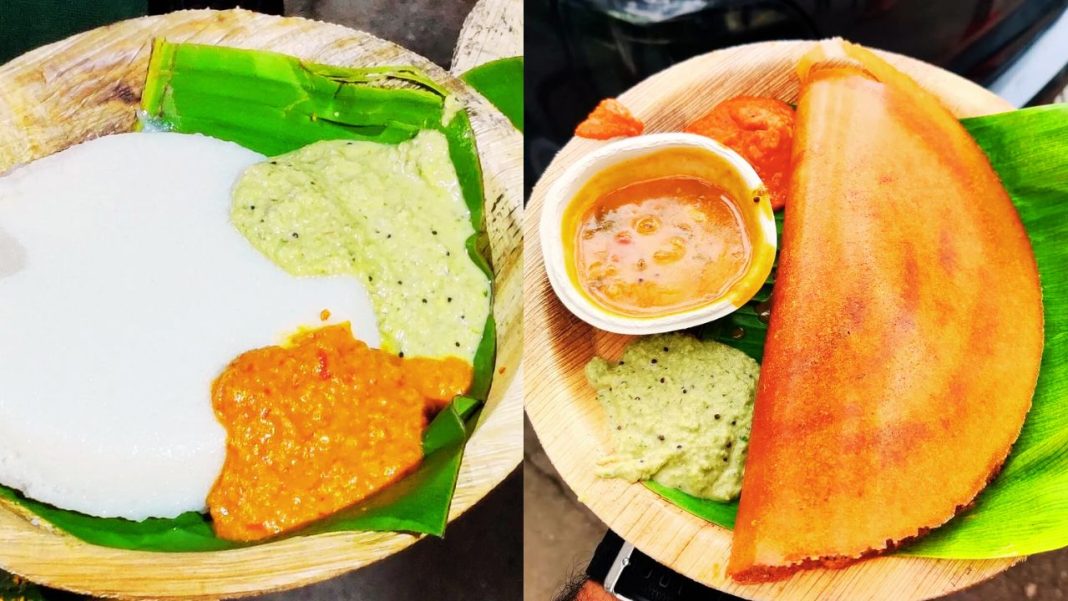

South Indian culture of cooking has a long history that is based on natural fermentation, which contributes flavor and nutrition. Fermented staples have been part of the daily nutritional meals of the people in Tamil Nadu, Kerala, Karnataka, Andhra Pradesh, and Telangana. These are not only affordable and sustainable but also full of probiotics, nutrients required, and digestive enzymes. Fermented foods, which were used in South India, are finding a new following today as the entire world is now fascinated with gut health and functional diets. In this listicle, one will discover five classic dishes, their preparation process, and why fermented foods remain an important topic of discussion in health-related matters today.
1. Idli: The Friendly Breakfast Staple
In South India, idli is a very common fermented dish, which is prepared using fermented rice and urad dal batter. Natural fermentation process enhances the bioavailability of nutrients, thus idlis are easy to digest. Idlis contain high amounts of probiotics, which aid in the health of the gut, the regulation of digestion, and the efficient absorption of nutrients. They are also low-fat and low-calorie, thus fitting any age category.
2. Dosa: Fermented Classic with Added Advantages
Dosa has the same base as idlis, though it is prepared in the form of a thin and crispy crepe. Fermentation also lowers anti-nutrients found in grains, enhancing mineral absorption like iron and zinc. A balance of gut bacteria, increased metabolism, and long-term energy throughout the day can be achieved by consuming fermented foods, such as dosa, on a regular basis.
Read more: Best Indian Superfoods for Energy and Immunity
3. Appam: Soft and Nutritious Pancake in Kerala
The fermented rice batter mixed with coconut water or toddy is used to make Appam. This is a light and airy dish that is full of good microbes. The best food to eat among the fermented foods is appam, as it is mild on the stomach and also suitable for individuals with sensitive stomachs. It also encourages better control of blood sugar with the combination of protein-rich sides.
4. Panta Bhatta: Fermented Rice with Cooling Powers
Panta bhatta, leftover rice soaked overnight in water, ferments naturally in its coastal areas. It is a home-cooked meal that is said to cool the body, and therefore can be used during hot weather. Probiotic drinks such as panta bhatta are used to treat diarrhea, dehydration, and constipation.
5. Mor Kuzhambu: Probiotic-Enriched Yogurt Curry
Mor kuzhambu is a spicy dish prepared using yogurt that has been fermented and spices. It contains a lot of probiotics, calcium, and antioxidants. Being among the regularly eaten fermented foods, it helps in immunity, bone strength, and digestion, besides being light in the stomach.
The Reason Fermented Foods Matter Today
Fermented foods are a natural answer to health-related problems and the digestive system in an age of processed diets. The South Indian fermentation processes are based on the proven methods that are not artificially enriched, which is why they are sustainable and healthy. Daily meals should include fermented foods that may promote the health of the gut, immunity, and well-being.