
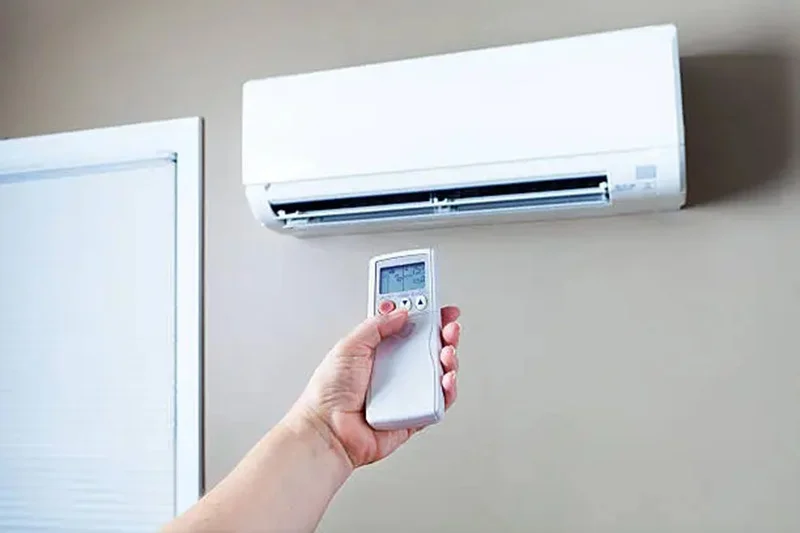

Summer electricity bills often rise because many users set the AC at 16°C, thinking the room will cool faster. That is the biggest AC myth. The AC does not throw “extra cold” air just because the remote shows 16°C. It simply keeps the compressor running longer until the room reaches that low setting. The result is higher power use, longer compressor load, and a shocking bill.
India’s Bureau of Energy Efficiency has repeatedly promoted 24°C as a smarter cooling point. The Ministry of Power also made 24°C the default setting for room air conditioners covered under the BEE star-labelling programme from January 1, 2020.
Why The 16-Degree AC Myth Increases Your Bill
Setting an AC at 16°C does not cool the room instantly. Cooling speed mainly depends on AC capacity, room size, insulation, sunlight, filter condition, and outdoor heat. A 1.5-ton AC in a large sunny room will struggle even at 16°C, while a well-sized AC can cool better at 24°C with a fan.
BEE-linked guidance says every 1°C increase in AC temperature can save about 6% electricity. That means moving from 20°C to 24°C can offer around 24% saving potential.
The 24-Degree Reality For Summer Cooling
The 24°C setting works because it balances cooling and power use. It keeps the compressor from running nonstop and reduces unnecessary energy waste. BEE’s official x post also says keeping the AC at 24°C or above helps reduce electricity consumption and carbon emissions.
For homes, 24°C with a ceiling fan often feels cooler than expected. The fan spreads cool air, reduces hot corners, and lets users avoid extreme remote settings. In humid cities, dry mode can also help because lower humidity makes the room feel less sticky.
How Much Money Can You Save?
Exact savings depend on AC star rating, usage hours, tariff, outdoor temperature, and room condition. Still, the basic maths is simple. If your AC bill portion is ₹3,000 a month and you cut power use by around 20% to 24%, monthly savings can be roughly ₹600 to ₹720. Over four summer months, that becomes about ₹2,400 to ₹2,880.
Trending AC Rule Talk In India
The 24°C discussion has returned because India’s cooling demand is rising fast. AP reported in 2025 that India was considering AC temperature limits between 20°C and 28°C to reduce energy use during extreme heat and rising power demand.
That does not mean users should panic. It simply shows why efficient cooling habits are becoming part of daily summer life. The smartest trick is not avoiding AC. It is using AC without wasting electricity.
Big updates at a glance.
How Much Has PM-KISAN Paid?
Check total payout and impact.
Why UP Stopped Smart Meter Rollout?
Explore new rules and alerts.
Is Your Aadhaar Biometrics Really Safe?
Discover latest scam warnings.
What Will Vijay Announce April 16?
Check key manifesto highlights.
What Is Census 2027 Self Enumeration?
Explore digital census changes.
Quick Summer Electricity Bill Hack
Set the AC at 24°C or 25°C, run a ceiling fan on low or medium, clean filters every two weeks, close curtains during harsh sunlight, seal door gaps, and avoid switching the AC on and off every few minutes. For buying a new AC, check the BEE star label and ISEER rating before purchase. BEE’s official site remains the key external source for energy-efficiency updates:
A 16°C setting may feel powerful on the remote, but it often punishes your wallet. The 24°C habit is cheaper, easier, and better for long summer use.
FAQs
1. Does 16°C Cool A Room Faster?
No, it mainly keeps the compressor running longer and uses more electricity.
2. Is 24°C Good For Summer AC Use?
Yes, 24°C gives efficient cooling with lower power use in most homes.
3. How Much Power Can 1°C Save?
BEE guidance says raising AC temperature by 1°C can save about 6%.
4. Should I Use A Fan With AC?
Yes, a fan spreads cool air and helps 24°C feel more comfortable.
5. Does Dry Mode Save Electricity?
Dry mode can help in humid weather by reducing moisture and improving comfort.