

Delhi’s ₹5 Atal Canteen initiative has been pitched as a practical food support step for people living on daily cash flow and features prominently in the India Current News cycle. The idea stays simple, keep meals cheap, keep them consistent, keep them accessible near work zones. Officials describe it as food security with dignity, not a handout line that feels embarrassing. And yes, Delhi needs more of this.
What Are Atal Canteens?
Atal Canteens are government-supported community kitchens meant to serve cooked meals at a token price. They work like small, organised food counters, not fancy eateries. Steel plates, quick serving, basic seating, water nearby. The focus stays on clean cooking, predictable portions, and steady supply so regular users can rely on it, day after day.
Key Features of the ₹5 Meal Programme
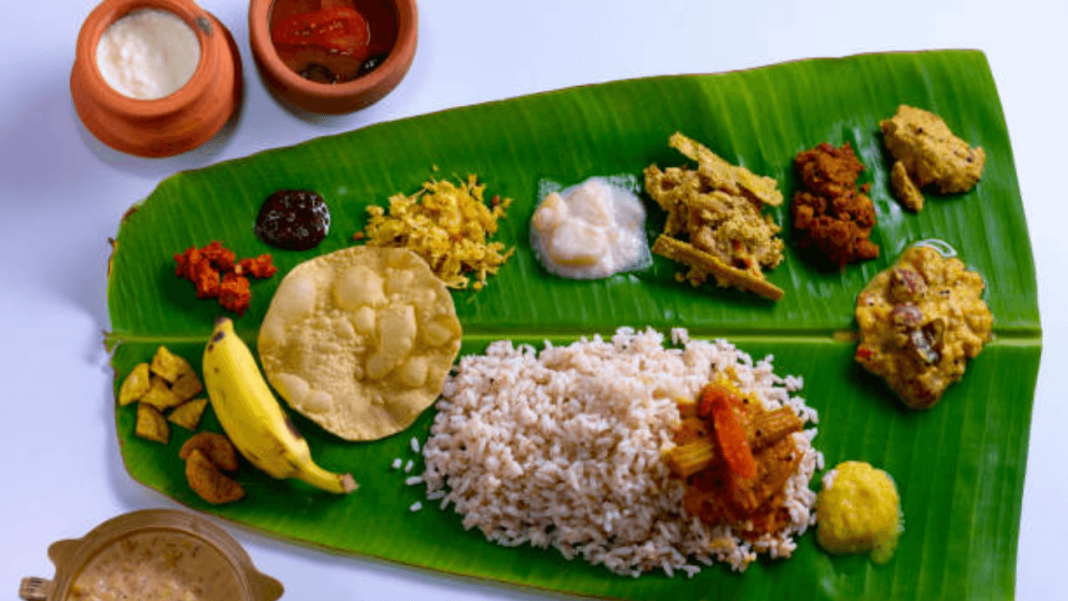
The ₹5 meal programme is built around a fixed, no-nonsense plate. A typical meal includes dal, rice, roti, and a seasonal vegetable, the kind of food many homes cook anyway. The system aims for quick turnover, so queues do not choke the lane. Token-based distribution is expected at several sites, mainly to keep the process tidy. No drama, just service.
Locations and Distribution of the 100 Atal Canteens
Delhi’s plan speaks in numbers, 100 canteens, spread across the city. On the ground, location choice is the whole game. A canteen near a bus terminal will do brisk business. One tucked behind a quiet office lane may stay half-empty.
Most placements are expected around high-footfall zones like transport corridors, labour markets, government clusters, and busy commercial pockets.
Snapshot of likely placement logic (illustrative):
| High-Footfall Zone Type | Why It Matters for ₹5 Meals |
| Bus terminals and metro-adjacent lanes | Constant flow of commuters, drivers, helpers |
| Industrial and labour market belts | Large daily-wage workforce, limited meal options |
| Government hospitals and nearby streets | Attendants and support staff spend long hours outside |
| Wholesale markets and loading zones | Early shifts, long breaks, heavy physical work |
People who know Delhi’s streets will recognise the pattern. It follows where working bodies gather. Simple.
Who Will Benefit from the Scheme
Daily-wage workers, sanitation staff, delivery riders, helpers in wholesale markets, and people doing odd jobs stand to gain first. Many do not carry packed food because the day runs long and storage is a headache. A ₹5 plate gives a steady option, especially when wages get delayed. Families facing tight months may also lean on it. That part is real.
Government Budget and Policy Support
A ₹5 meal cannot run on goodwill alone. The cost gap gets covered via subsidy, contracts for raw material, staffing support, and kitchen operations. Policy backing shows up in how payments get released on time, how vendors get checked, and how wastage gets controlled. If the paperwork drags, the service weakens. Everyone in Delhi knows that pattern too well.
Expected Impact on Delhi’s Food Security
The immediate impact is simple, fewer skipped meals. It also reduces the dependence on cheap fried snacks that fill the stomach but leave people tired and thirsty. A warm plate of dal and roti, even basic, supports stamina. The small win is visible in routine life, less irritation, fewer dizzy spells at work sites, and fewer arguments over buying lunch.
How Atal Canteens Compare to Other Public Meal Schemes
Other states have run similar low-cost canteens, and Delhi’s model sits in that same lane. The difference depends on execution, menu consistency, hygiene checks, and crowd management. Some older schemes worked well at one location and collapsed at another due to poor monitoring. That risk remains here too. The ₹5 price attracts people fast. Handling that rush decides success.
Public Response and Early Feedback
Early reactions tend to be practical, not sentimental. People ask two things first, is the food hot and is the serving enough. In a few spots, the smell of tadka in dal and the clink of plates already draw a line. Some users appreciate the price, others complain if the roti is thin or the sabzi looks undercooked. Delhi residents speak straight. So be it.
Challenges in Implementation
Crowd control will be the daily test, especially during peak hours. Another challenge is keeping quality stable across 100 sites. One bad batch and the whole scheme gets bad talk. Clean water, pest control, utensil washing, and staff discipline need constant checking. And then there is the boring part, supply chain timing. If vegetables arrive late, the queue does not wait.
Future Expansion Plans
Expansion talk will come once the first set runs without daily complaints. More canteens may be added near hospitals, shelter homes, and industrial stretches if demand stays high. Some administrators may also try breakfast options later, but that adds pressure on staffing and kitchen timings. Delhi already runs on tight mornings. Any new meal slot needs planning, not slogans.
FAQs
1) What is the main purpose of the 100 Atal Canteens in Delhi?
The purpose is to provide reliable ₹5 meals near work-heavy areas so low-income residents get regular cooked food.
2) What does a ₹5 meal at an Atal Canteen usually include?
The plate generally includes dal, rice, roti, and seasonal sabzi, served as a basic, filling, hot meal.
3) Who is most likely to use the Atal Canteens daily in Delhi?
Daily-wage workers, market staff, drivers, helpers, and riders are likely users because their workdays run long and uneven.
4) What are the biggest risks that can affect canteen service quality?
Weak hygiene control, delayed supplies, overcrowding, and inconsistent portions can quickly damage trust and reduce repeat visits.
5) Can the Atal Canteen scheme expand beyond 100 locations later?
Yes, expansion is possible if operations stay stable, demand remains strong, and budget support continues without delays.