
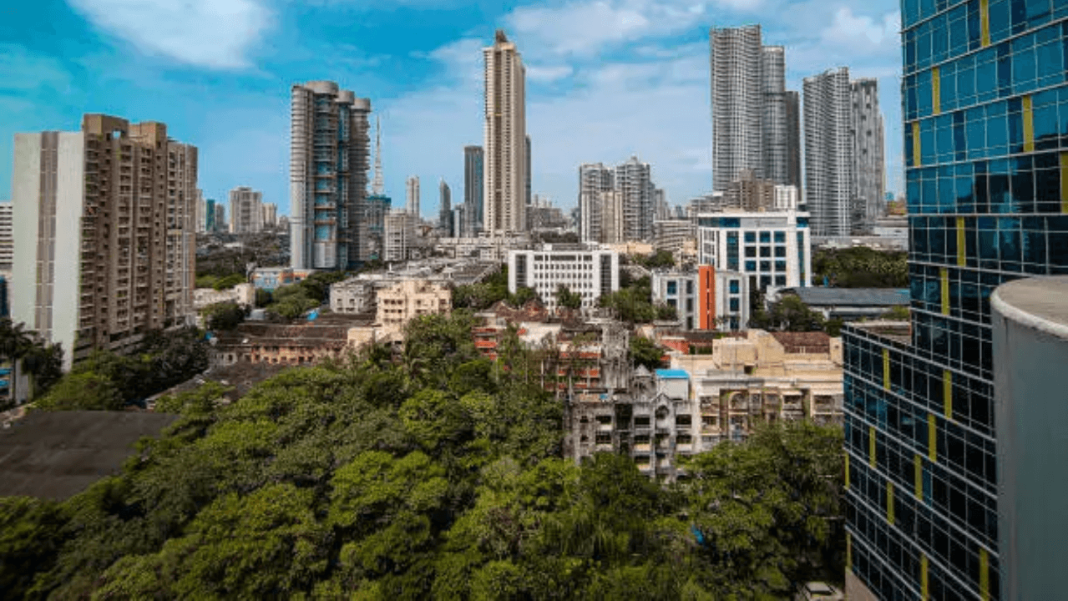

City life in India is moving faster, and not always in a neat way. Residents talk less about “big plans” and more about what hits the day directly: shorter routes, new flyovers, app payments everywhere, and air that sometimes smells like dust and diesel by 8 am. Feels strange sometimes. Yet the change is visible on the road, at the station, near the market, inside housing societies.
Infrastructural Shifts Transforming Daily City Life
The most obvious shift sits in concrete and paint. New corridors, widened junctions, footpaths that finally exist, and streetlights that work for weeks in a row. In several cities, construction has become background noise, that constant drilling sound near main roads. Residents complain, then later use the same road happily.
A common sight now: barricades, detours, and fresh signage pointing toward new metro work or upgraded drains. The upside shows up in pockets. One area gets smoother roads, another still deals with broken edges and puddles. The unevenness is what people notice most, actually.
Lifestyle Changes Shaping How Urban India Lives
Daily life has become more screen-based, but not in a fancy way. QR codes sit beside temple donation boxes, tea stalls, and tiny mobile repair shops. Cash still exists, yet many payments happen through phones without anyone making a big deal out of it. And the pace of buying has changed too. Groceries arrive at odd hours. Medicines reach gates quickly. Sometimes that convenience feels helpful, sometimes it feels like everyone is rushing even on Sundays.
Work routines have shifted. More people split time across the office and home. Cafés and co-working spots stay busy in afternoons. A small rant is often heard: “Traffic for a meeting that lasted 18 minutes.” That frustration is real, and it shapes choices.
Environmental Changes Residents Can Feel Every Day
Heat has turned sharper. Summer afternoons feel longer, and nights stay warm in dense areas with little tree cover. The air can feel heavy, almost oily, near crowded junctions. In winter, the same streets carry a different problem: smoke, dust, and that throat-scratch feeling after a short walk.
Cities are responding in bits and pieces. Some lakes are cleaned up, some parks look better, some local bodies push tree drives. But residents also see trees cut for road work. That is the part that irritates people. And then rain arrives, and poor drainage reminds everyone that “smart” plans mean nothing if water sits outside homes.
How Mobility and Daily Commutes Are Evolving
Commuting has started to look different. Metros and rapid transit have changed how people plan time. Riders now talk in station names and interchange points, like a new language. But last-mile travel still decides the mood of the day, because the final two kilometres can be messy.
Auto rides, bike taxis, and shared cabs fill gaps. EVs are more visible too, especially e-rickshaws and scooters near markets. Charging points are appearing, though not always where needed. Commuters rely on small practical habits:
- Leaving five minutes early for security checks at stations
- Keeping a backup route ready for sudden diversions
- Avoiding peak junctions even if the map shows “faster”
Cultural and Social Shifts Across Indian Cities
Public spaces are getting used more. Morning walkers, senior citizen groups, and children on cycles show up in parks that were empty earlier. Weekend crowds head toward open grounds, food streets, riverfronts, and promenades. The soundscape has changed too. More street music, more food carts, more announcements at stations, more public events.
Festivals and city-level gatherings look bigger now, with better barricading, more portable toilets, and stricter entry rules in many places. People appreciate the order, then complain about the queues. Both reactions sit together. Also, safety conversations have become more direct. Women’s safety, street lighting, CCTV cameras, and late-night transport come up in everyday talk, not only in news debates.
Economic and Urban Planning Trends Becoming Visible
New development is spreading outward. Suburbs that once felt “too far” now look normal. Large housing clusters appear near highways, and small shops follow quickly. Old markets remain busy, yet newer commercial zones pull customers with parking, cleaner walkways, and fixed pricing.
A simple view of what residents point out:
| Visible change in Indian cities | What residents notice daily | Common reaction |
| More high-rises in outer zones | Denser roads, new schools, new clinics | “Area got crowded fast” |
| Mixed-use blocks | Shops under homes, services nearby | Convenience, plus noise |
| Redeveloped roads | Better surface, new medians | Relief, then new traffic |
Challenges People Still Notice Despite Improvements
Traffic remains the main complaint. Better roads sometimes invite more vehicles, and congestion returns. Public transport capacity still lags during peak hours. Another issue: uneven service quality. One neighbourhood sees regular garbage pickup, another sees overflowing bins near the same main road. That contrast annoys people.
Housing affordability keeps biting too. Rents move up near new metro lines and business hubs. Families then shift farther out, trading time for space. And the city expands again. It is a cycle that looks ordinary now, almost predictable.
FAQs
1) What change in Indian cities do residents notice first during daily routines?
Most residents notice commute time shifts first, because delays and station access affect work, school, and daily errands.
2) Why do Indian cities feel hotter even during evenings in many areas?
Dense construction, fewer trees, and high traffic trap heat, so evenings stay warm and sticky in packed neighbourhoods.
3) Are digital payments changing local markets and small shops in Indian cities?
Yes, QR payments reduce cash handling and speed checkout, though network issues still cause awkward pauses at times.
4) What makes commuting feel easier in some cities even when traffic stays heavy?
Metro access, clearer routes, and better junction design reduce stress, even if roads remain crowded during peak hours.
5) Which urban problems still frustrate people despite visible development work?
Uneven garbage pickup, waterlogging after rain, and rising rents near transit corridors remain common complaints across cities.