

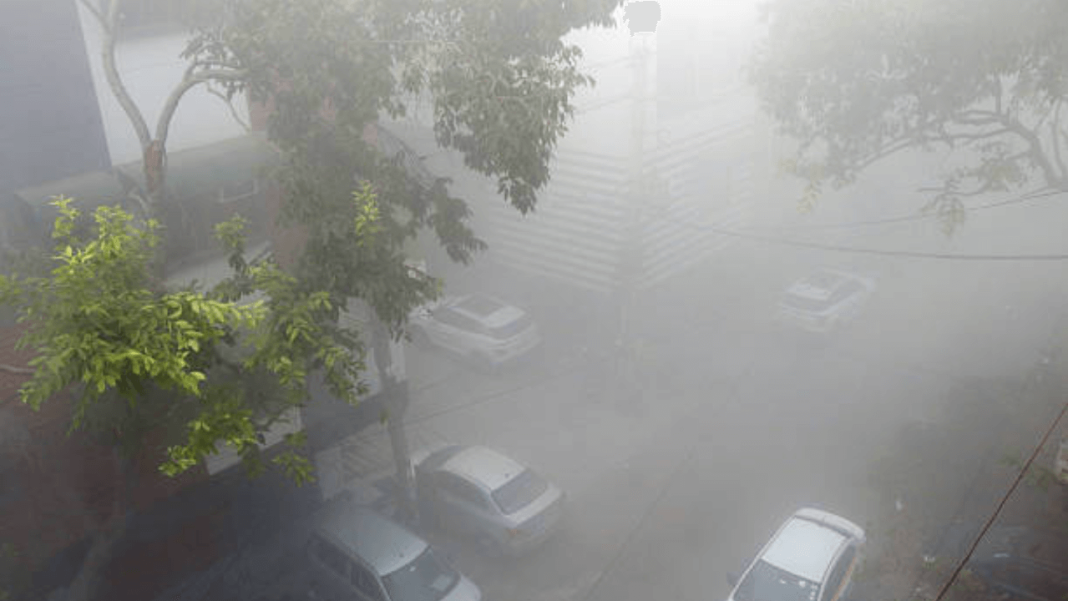

Delhi’s air can swing from “poor” to “severe” within days, so the response has to move just as fast. If you track AQI levels in Delhi on the official CPCB National AQI portal, you will see the pattern: forecasts tighten, restrictions kick in, then ease when the trend improves, a cycle often highlighted in Latest News in India. In January 2026, CAQM revoked Stage-III actions after Delhi’s average AQI improved, while keeping lighter curbs running.
What’s Being Done Right Now And Why It Changes Fast
Most Delhi pollution control measures now run through the Graded Response Action Plan (GRAP) issued by CAQM for Delhi-NCR. It works like a checklist with triggers: when AQI and forecasts cross a stage threshold, agencies must enforce a fixed package, and when air improves, that stage is rolled back through updates on theCAQM GRAP orders page. A recent update was shared byDD News on X.
Under GRAP, The “Switches” Are Predictable
Stage I and II focus on dust and daily emissions: mechanised road sweeping, water sprinkling, strict checks at construction sites, and tighter controls on diesel generator use. Stage III and IV are the harder brakes: pausing non-essential construction, limiting high-emission trucks and commercial vehicles, and tightening school or work advisories when spikes persist.
The Trendy Push: Dust, Fires, And Real-Time Warnings
This season, citizen groups have urged CAQM to move beyond short “smog-week” fixes, with louder calls on dust control and clearer health alerts. At the same time, CAQM has pushed neighbouring states to step up on-field action against farm fires, because that smoke can travel straight into Delhi’s bowl of winter air. For forward planning, Delhi’s Early Warning System helps agencies act before the next bad spell.
FAQs
What is considered “severe” AQI in Delhi under GRAP?
Under GRAP, severe usually starts around AQI 401, triggering Stage III controls across NCR immediately.
Where can residents check live AQI levels in Delhi?
Use CPCB’s National AQI portal or Sameer app for hourly station wise readings and alerts.
Do construction bans really help during pollution spikes?
Yes, stopping dusty construction reduces local PM load, especially when winds are weak and stagnant.
Why are diesel generators targeted in Delhi pollution control measures?
They emit soot and nitrogen oxides; curbs cut peak emissions during power backup use periods.
What can families do on very poor AQI days?
Limit outdoor exercise, wear a well fitted mask, run air purifier, and track symptoms daily.