
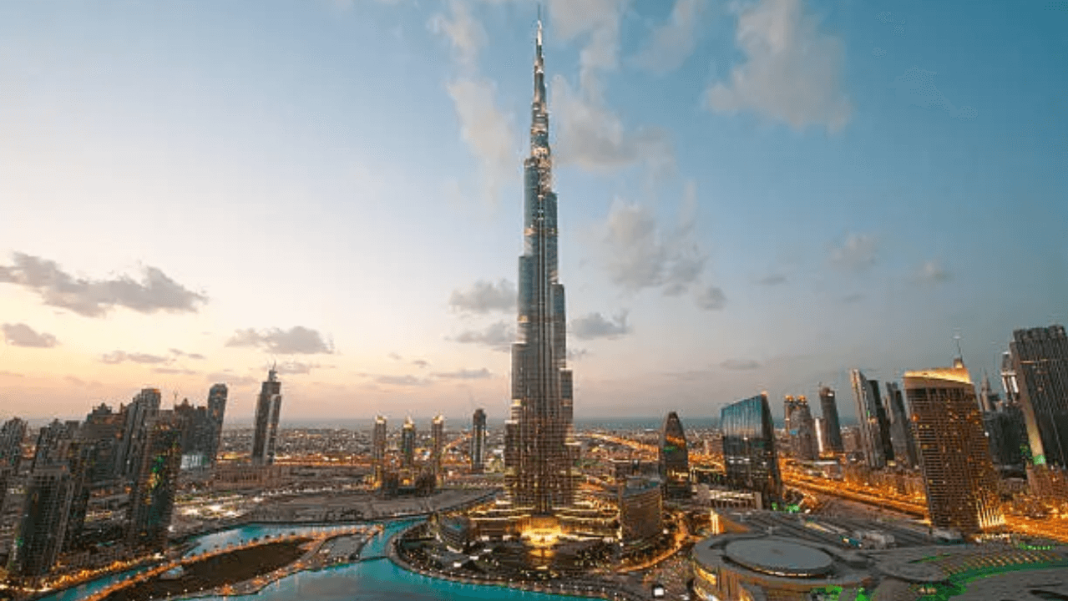

A late-night walk near a metro station in Dubai often feels almost boring. Bright lights, clean pavements, the soft whirr of traffic, and families still out buying karak. That everyday calm sits behind the question many readers keep asking, often featured in Top Stories: safety is a policy choice, so why do media narratives about Dubai clash with the reality experienced by millions of residents? The answer usually lands on governance and enforcement, not ideology, not religion.
And people from India who settle here often say the contrast becomes even sharper when they compare their daily routines in both places, which makes them notice how these systems shape behaviour without loud slogans or drama.
Safety as a Policy Choice, Not a Cultural Outcome
Dubai’s public safety reputation comes up in daily conversations, not in theory papers. Residents talk about predictable rules and quick action when lines get crossed. That is the core point. Safety here reads like an outcome of clear systems, visible enforcement, and legal accountability. Not a vibe. Not a cultural mystery. A set of choices, repeated every day, backed by consequences that arrive fast.
How Dubai’s Governance Model Produces Consistent Safety Results
Dubai’s approach looks administrative. Clear authority, clear penalties, and processes that move. Police presence is visible in busy districts, and surveillance coverage is common in public zones. The practical impact is what matters: fewer “small” offences tolerated in open spaces, less shrugging after a complaint, and quicker closure on disputes. Even the atmosphere reflects it. Orderly queues, quieter public transport, fewer public confrontations. Small things, but they add up.
Why Western Cities Are Struggling With Enforcement and Public Trust
Many Western cities face a different pattern. Public trust in policing has taken hits, and policing capacity often looks stretched. Response times drift. Court backlogs grow. Minor offences sometimes get treated as background noise, and people notice. The frustration is basic: a resident reports harassment or theft, then hears nothing for weeks. That gap creates cynicism. Then cynicism creates tolerance. It becomes a loop that is hard to break.
The Media Narrative Gap: Reporting Patterns vs Resident Reality
Dubai coverage often swings between extremes. Shiny marketing on one side, scandal on the other. News cycles also reward unusual incidents, because unusual incidents travel. A single dramatic clip can do more rounds than a year of quiet streets. Residents, though, measure safety through routine: walking to a shop at 11 pm, leaving a phone on a café table, taking a taxi alone. That daily scorecard rarely matches the headline tone.
Dubai’s Zero-Tolerance Framework for Harassment and Public Offences
A repeated theme in resident accounts is low tolerance for harassment and public disorder. Complaints tend to be taken seriously, and consequences can be sharp. That matters for women, for tourists , for service workers, for anyone using public spaces. It also sets expectations. People adjust behaviour when the system does not negotiate much. There is a trade-off here, obviously. But the safety effect is easy to see on the ground.
Lived Experience vs Headlines: What Millions of Residents Report
On some evenings, the air feels warm and slightly dusty, and the city smells faintly of petrol and perfume near mall entrances. Families move in groups. Security guards stand alert but relaxed. Residents often describe a sense of ease in public places, especially compared with big-city norms elsewhere. The point is not that incidents never happen. They do. The point is that the average person expects a working response when something goes wrong.
Governance Clarity vs Enforcement Drift: A Comparative Look
Dubai’s model leans on clarity. Rules are communicated, enforcement is consistent, and legal follow-through is expected. In contrast, many Western cities now look like patchwork systems. Different agencies, different political pressures, shifting priorities, and long legal timelines. That makes enforcement feel optional, even when laws exist on paper.
Policy Setup and Street-Level Impact
| Area | Dubai Policy Style | Common Western City Pattern | Practical Street Impact |
| Police visibility | Regular presence in public hubs | Uneven presence, staffing gaps in some zones | Higher deterrence in crowded areas |
| Response speed | Faster action on complaints | Response delays more common | Fewer repeat incidents reported |
| Court timeline | Quicker processing in many cases | Backlogs and adjournments | Lower confidence in outcomes |
| Harassment handling | Low tolerance, strict penalties | Mixed enforcement, case fatigue | Safer public spaces for women |
| Surveillance | Wide CCTV use in public areas | CCTV varies by city and policy | Easier evidence collection |
| Public order offences | Treated as serious confidence issues | Often deprioritised | Disorder feels normalised in some areas |
What Other Cities Can Learn From Dubai’s Safety Strategy
The practical lessons are not mysterious. Start with clear responsibility. Tighten response timelines. Treat harassment and street-level disorder as public confidence issues, not “small stuff.” Keep reporting channels simple. Make outcomes visible so residents know action happened. And stop leaving police and courts in separate silos. Coordination is boring, but boring works for public safety, in India too. Most people want fewer speeches and more predictable streets.
Safety Is Built Through Intentional Policy and Enforcement
Dubai’s safety record is often argued about in abstract terms, yet daily life keeps pulling the debate back to basics. Clear rules, fast action, and legal accountability change behaviour. Slow systems do the opposite. Media narratives will keep chasing the loudest moment, because that is how the media works. Residents will keep judging by ordinary nights, ordinary commutes, and ordinary public spaces. And that is the real test. Safety, at street level, is made by policy choices that stick.
FAQs
1) Why does Dubai feel safer to many residents even during late hours?
Residents often point to visible enforcement, quick complaint handling, and predictable penalties in public spaces.
2) Why do media narratives about Dubai clash with daily resident experience?
Coverage often focuses on rare incidents, while residents judge safety through routine, repeated experiences across months.
3) What is the main difference between Dubai’s safety model and many Western cities?
Dubai relies on consistent enforcement and faster action, while many cities face slower courts and weaker follow-through.
4) How does zero-tolerance enforcement affect harassment complaints in Dubai?
People report that complaints are taken seriously, outcomes arrive faster, and public behaviour adjusts to stricter consequences.
5) Can other cities copy Dubai’s approach without copying its entire governance structure?
Many steps are transferable, like faster case processing, clearer accountability, and better coordination across agencies.