

India’s streaming appetite in 2026 is tilting away from glass towers and toward gullies, fields, and small-town power games. Viewers are sticking longer with shows that feel like home, not a postcard. The new “mitti over metro” mood is not nostalgia. It is familiarity, language texture, and characters who talk like real families do, with pride, mess, and humour intact.
Why “Mitti Over Metro” Is Working So Hard Right Now
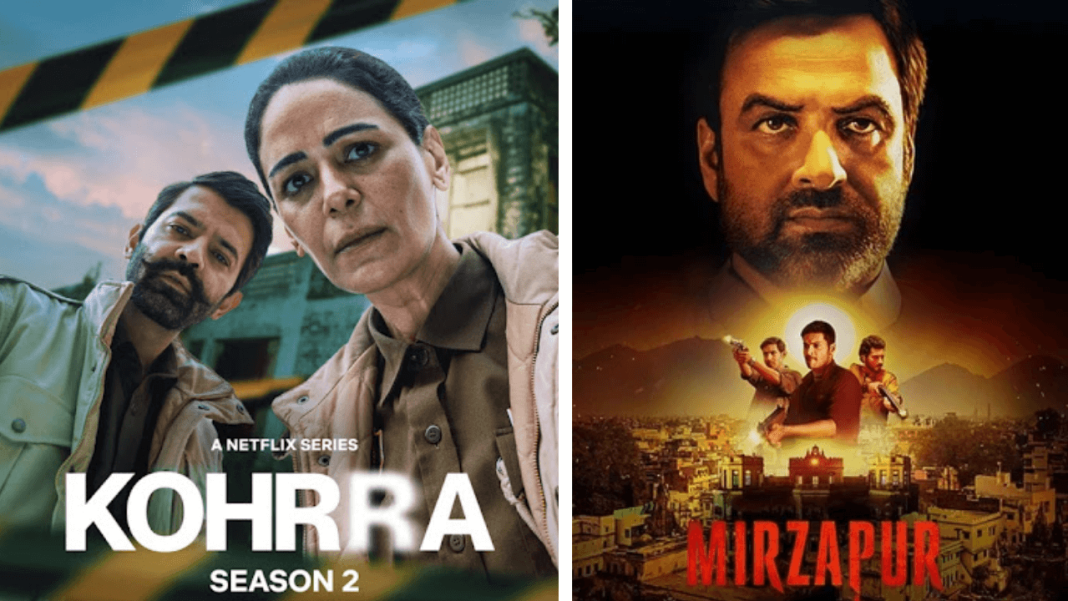
Platforms have figured out a simple truth: a huge slice of India lives in Tier 2 and Tier 3 cities, and even metro audiences carry their roots with them. That is why heartland-set dramas and comedies are climbing charts, from Punjab-set crime worlds like Kohrra to UP power sagas like Mirzapur.
Relatability Beats Gloss
India Today’s piece spells out the pull: stories rooted in “lanes, streets, and skies” people recognise, plus stakes that feel personal, not performative. Actor Pankaj Tripathi also connects to how many Indians come from small towns and villages, even if they now live in metros.
The Business Signal Behind The Trend
This is also about strategy. Research trackers are widening how they measure OTT viewership in 2026, because audience behaviour is spreading across formats and regions. Platforms are also reshaping slates to appeal beyond dark, urban thrillers, leaning more into family-friendly, mass-reachable stories. Official social post (X)
FAQs
1) What does “Mitti Over Metro” mean in OTT?
It means small-town rooted stories outperform glossy city narratives in watchtime and buzz today.
2) Why are heartland shows getting higher completion rates?
Because dialogue, conflicts, and families feel familiar, so viewers keep watching without dropping midseason.
3) Which genres benefit most from this shift?
Small-town crime, family comedy-dramas, village politics, and regional mysteries are leading this surge.
4) Is this trend limited to Hindi content only?
No, Punjabi, Tamil, Telugu, and other regional settings are driving strong nationwide discovery now.
5) Will metro stories disappear from OTT platforms?
No, but they must feel grounded, or audiences switch faster to rooted alternatives.