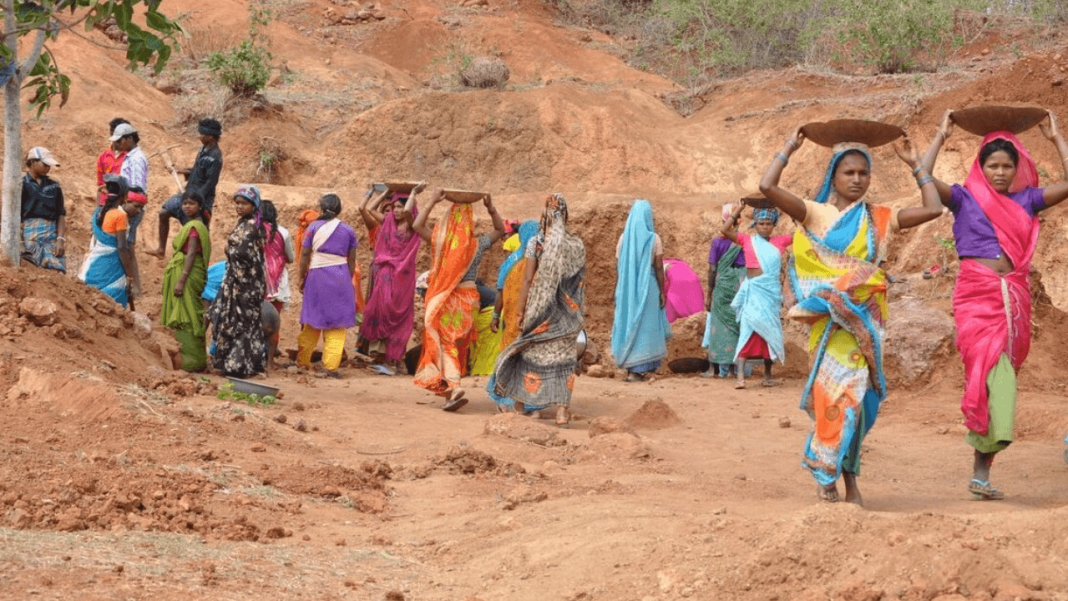
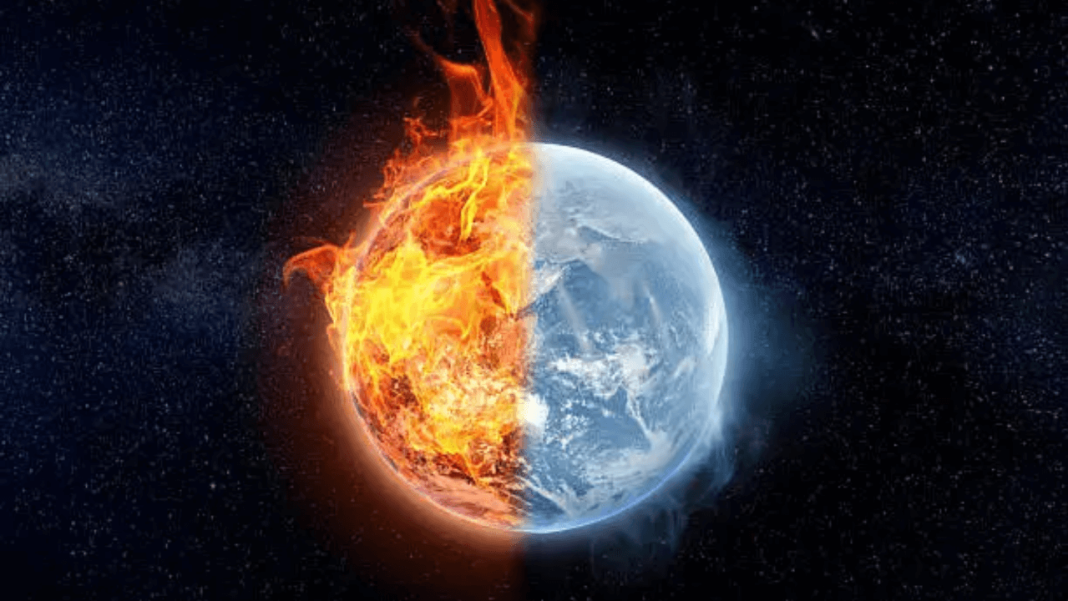

A commuter steps off a bus in May, and the air hits like a hair dryer. Two months later, the same street at 7 am feels sharp and dry, and fingers go numb fast. Heatwaves in India and cold waves in India keep returning because the weather systems turn stubborn, and the land heats and cools faster than people expect. The causes of heatwaves in India and the causes of cold waves in India sit in the sky patterns above, and the ground conditions below, a pattern closely followed in Latest News in India.
Why India Faces Heatwaves and Cold Waves
India heats up hard in late spring because large land areas soak up sunlight quickly. Big interiors do not get steady sea cooling like coastal belts. In winter, clear nights over the plains let heat escape fast. Add mountains in the north, wide deserts in the west, and long dry stretches, and extremes show up easily. Feels unfair sometimes, but that is the setup.
What Is a Heatwave in India?
A heatwave is not “a hot day”. It is a run of days when temperatures climb well above what a region normally sees in that season. Many places also watch the “feels like” stress, because hot wind and low shade make the body struggle. Nights matter too. When nights stay warm, the next day starts tired already. That is where trouble begins.
Key Causes of Heatwaves in India
Heatwaves often build when a high-pressure zone parks itself over north or central India. Air sinks, clouds thin out, and the sun gets a clear shot at the ground. Dry soil adds fuel, since less moisture remains for cooling through evaporation. Hot winds move across Rajasthan and adjoining belts and carry heat deeper inland. And when pre-monsoon rain stays weak or late, the hot spell simply keeps going. Cities add their own heat with concrete, traffic, and low tree cover, and that extra warmth stays trapped at night.
Regions Most Affected by Heatwaves in India
Northwest India takes repeated hits, especially Rajasthan, parts of Punjab, Haryana, and Delhi’s wider region. Central belts such as Madhya Pradesh and Chhattisgarh also see long hot runs. The Indo-Gangetic plains get it rough because heat sits over a flat, wide surface and hot winds move freely. Coastal belts get fewer “classic” heatwaves, yet humid heat can still feel brutal. Same suffering, different flavour, sadly.
What Is a Cold Wave in India?
A cold wave is a sharp fall in temperature that pushes conditions below what a region usually experiences in winter. It often shows up with dry air, still nights, and that stinging early-morning chill that cuts through sweaters. Wind makes it worse. People wake up and the floor feels icy, even inside homes. That quiet cold gets under the skin.
Key Causes of Cold Waves in India
Cold waves strengthen when cold air masses push into the plains and settle. Northern plains sit close to cold-air storage over the Himalayan region, so the supply exists. Clear skies at night also matter a lot. Without cloud cover, ground heat escapes quickly, so nights drop faster than expected. Weak clouding linked with passing western systems can also leave the sky open, and the chill deepens. Fog can trap cold near the surface too, creating long, dull mornings and late warm-ups. Not dramatic, just stubborn.
Regions Most Affected by Cold Waves in India
Cold waves focus on north India, including Uttar Pradesh, Bihar, Delhi-NCR, Haryana, and Punjab. Rajasthan also gets harsh night lows, especially in open rural patches. Parts of Madhya Pradesh can turn surprisingly cold during strong spells. Eastern pockets see cold days when fog and low sun hold on. Hill states face different winter patterns, but the big news impact often lands on plains because more people live there.
Heatwaves vs Cold Waves in India
| Point | Heatwaves in India | Cold waves in India |
| Common season | March to June | December to February |
| Main trigger | Persistent high pressure, clear sky | Cold air intrusion, clear nights |
| Typical timing | Peak afternoon stress | Night and early morning stress |
| High-risk areas | Northwest and central belts | Northern and parts of central plains |
| Daily signs | Hot winds, very warm nights | Fog, sharp morning chill, cold days |
Impacts of Heatwaves and Cold Waves in India
Heatwaves hit health first. Heat exhaustion, heatstroke, dehydration, and sudden drops in blood pressure appear in hospitals, often after long outdoor work. Power demand jumps, and transformers and local grids groan under heavy use. Crops suffer when hot winds dry fields quickly, and livestock needs more water and shade. Cold waves bring breathing stress, flu-like illness spikes, and higher risk for older adults and infants. Fog and low visibility disrupt road and rail movement, and that delay messes with daily wages and supply runs. And yes, both events can quietly raise household costs. Extra electricity, extra doctor visits, extra worries.
FAQs on Heatwaves and Cold Waves in India
1) Why do heatwaves in India keep lasting several days at a time?
Heatwaves persist when high pressure stays fixed, clouds stay minimal, and dry ground fails to cool the air, so each day resets at a hotter starting point.
2) Do cities make heatwaves in India feel worse than nearby towns?
Yes. Concrete, tight building blocks, low tree cover, and traffic heat keep nights warmer, so the body does not recover properly before the next day.
3) What triggers cold waves in India during winter months?
Cold waves often follow a push of cold air into the plains plus clear night skies that let ground heat escape quickly, dropping minimum temperatures sharply.
4) Why do cold waves in India often come with foggy mornings?
Cold, still air near the ground traps moisture and forms fog, and weak sunlight struggles to clear it, keeping the day colder and slower.
5) Which regions should watch alerts most closely each year?
Heat alerts matter most across Rajasthan and central interiors, while cold alerts matter most across northern plains, especially where fog and night lows stay intense.