
India’s Amrit Kaal agenda frames the next 25 years as a long push toward India@2047 goals, placing it firmly within the Latest News in India as policy signals point at jobs, infrastructure, skills, clean energy, and sharper governance. The language stays big, but the work sits in budgets, projects, and day-to-day delivery. And yes, people keep asking what changes will show up in ordinary lives.
What Is Amrit Kaal and Why India Calls It a 25-Year Transformation Window?
Amrit Kaal is used as a label for the 2022–2047 period, tied to India’s 100th year of Independence. It is spoken of as a transformation window because it stacks long projects that need time, not quick wins. Think rail and road networks, port upgrades, city services, school reforms, health systems, energy transition, and digital public services. The term also signals political intent: planning past one term, then building pressure to keep targets alive. Sometimes it reads ambitious, sometimes it reads practical. Both are true, in parts.
India’s Economic Roadmap for the Next 25 Years
Economic planning under Amrit Kaal leans on three ideas: raise production, raise productivity, and widen participation. That includes:
- More manufacturing capacity, including export-facing units
- Logistics upgrades to cut time and cost of moving goods
- Easier credit access for small businesses, with tighter risk checks
- Push for formalisation so workers and firms enter safer systems
A lot rests on steady capital spending and a stable policy mood. Private investment follows clarity, not speeches. That’s how it looks on the ground.
Human Capital Development: Building a Future-Ready Workforce by 2047
The workforce conversation has shifted. It is less about degrees alone, more about employable skills and reliable training. Priorities being spoken about include:
- Stronger foundational learning in early classes
- More vocational tracks linked with local industry needs
- Upgrading ITIs, polytechnics, and apprenticeship pathways
- Better health access and preventive care, so productivity does not slip
India’s demographic advantage is real, but only if learning outcomes improve year after year. Hard truth, but true.
Technology, Space, and Innovation: India’s Next Global Leap
Digital public infrastructure sits at the centre of India’s current governance style. Systems for payments, identity-linked services, and online delivery are expected to expand into newer areas such as commerce networks, skilling platforms, and health records. Industry also expects:
- Wider AI adoption in services, agriculture support, and manufacturing
- More deep-tech startups, though funding cycles can be rough
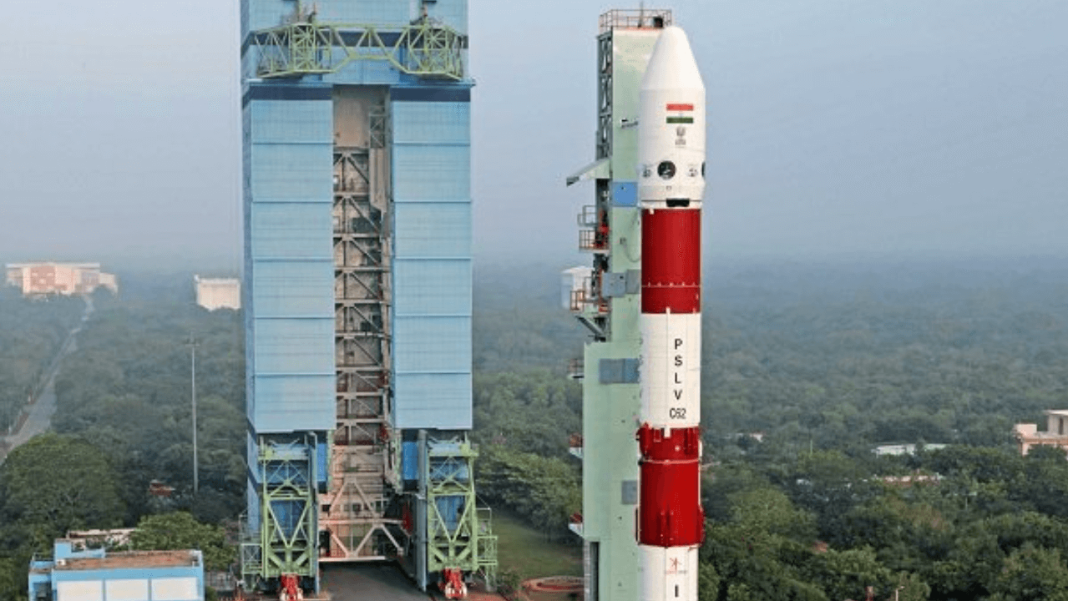
- Space economy growth via private participation and supply chains
Space missions grab headlines, but supplier ecosystems do the quiet heavy lifting. Feels strange sometimes, but that is the real grind.
Energy Security and Sustainability Targets for Amrit Kaal
Energy planning is getting sharper because demand keeps rising. India’s direction leans on cleaner power while keeping supply stable. The broad approach includes:
- Scaling renewables and grid upgrades
- Energy storage and flexible generation options
- Cleaner fuels and green hydrogen pilots in industry pockets
- Efficiency drives in buildings, appliances, and transport
Climate resilience shows up in water management, heat preparedness, and disaster response, not only carbon talk. Sometimes the boring stuff saves the day.
Governance and Policy Reforms Shaping India’s 2047 Vision
Amrit Kaal delivery depends on governance that moves fast yet stays predictable. The focus areas often mentioned:
- Faster clearances through digital systems and time-bound processes
- Simplified compliance for smaller firms, with fewer touchpoints
- Data-driven welfare delivery and leakage control
- Procurement reforms and better project monitoring
Citizens notice governance in queues, response time, and service quality. Big plans mean little if local offices fail. That line irritates some people, but it stands.
Key Milestones India Aims to Achieve by 2030, 2040, and 2047
Targets are spoken in timelines to keep accountability. A simple snapshot:
| Timeline | Focus areas likely to dominate | What success may look like |
| 2030 | Jobs, infrastructure delivery, skilling | Faster logistics, better learning, wider formal work |
| 2040 | Innovation scale-up, energy transition depth | Cleaner grids, stronger R&D, higher productivity |
| 2047 | Developed-nation ambition, quality-of-life gains | Better public services, higher incomes, global influence |
Timelines change, but the direction stays similar. That is the interesting bit.
Challenges India Must Address to Realise Its Amrit Kaal Vision
There are pressure points. Some are old, some are new.
- Job creation pace versus automation and shifting global demand
- Urban stress: housing, transport, air quality, water, waste
- Climate shocks affecting agriculture and coastal areas
- Inequality across regions and skill levels
- Global uncertainty impacting trade, energy, and supply chains
Execution risk remains the biggest risk. Projects slip, costs rise, patience runs out. Simple.
How India Is Positioning Itself for the Next 25 Years
Amrit Kaal frames India’s next 25 years as a long build toward India@2047 goals, with economics, people, technology, energy, governance, and inclusion moving together. The signals show a preference for infrastructure-led growth, stronger skills, digital delivery, and cleaner energy without risking supply. The real test stays delivery, quarter after quarter, across states and districts. Plans exist, intent exists, and the scale is massive. Now it needs consistent work, not mood swings. That’s the deal.
FAQs
1) What does Amrit Kaal mean in the context of India@2047 planning and national priorities?
Amrit Kaal refers to the 2022–2047 phase, framed as a long national push toward developed outcomes.
2) Which sectors get the strongest attention in India’s next 25 years planning under Amrit Kaal?
Infrastructure, jobs, skilling, clean energy, digital services, manufacturing, and welfare delivery get repeated focus.
4) Why does governance reform matter so much for India’s 2047 vision and Amrit Kaal delivery?
Because clearances, compliance, and project monitoring decide speed, cost control, and citizen trust at local levels.
5) What are the biggest risks that could slow India’s Amrit Kaal vision across the next 25 years?
Execution delays, climate shocks, uneven skills, urban strain, and global instability can slow targets and outcomes.