

A security briefing ends, ceiling fans hum, and aides step out into the warm corridor with files tucked under elbows. The headline doing the rounds is clear: India nears $450M BrahMos missile export pacts with Vietnam, Indonesia. The push signals a sharper focus on defence exports and real contracts, not speeches. The BrahMos missile export pacts story also sits inside a wider Indo-Pacific picture that keeps getting tense, especially across sea lanes and coastal stretches. For Latest News.
India’s Progress Toward the $450M BrahMos Export Agreements
Talks around BrahMos exports have moved into a more practical phase. The number most cited is around $450 million across two separate tracks, one linked to Vietnam and another linked to Indonesia. It is not a single package deal, and that detail matters.
Officials and industry watchers describe steady movement: technical discussions, platform fit checks, and the usual paperwork chain that follows any major defence system export. Contracts of this size rarely move fast. They move when both sides stop debating the big idea and start matching calendars, training plans, and delivery slots. That seems to be the stage visible now.
Strategic Importance of BrahMos for Southeast Asian Defence
Southeast Asia has long coastlines, crowded shipping routes, and narrow maritime choke points. Coastal defence is not a fancy topic there. It is daily planning, the kind that gets discussed with maps open and tea going cold on the table.
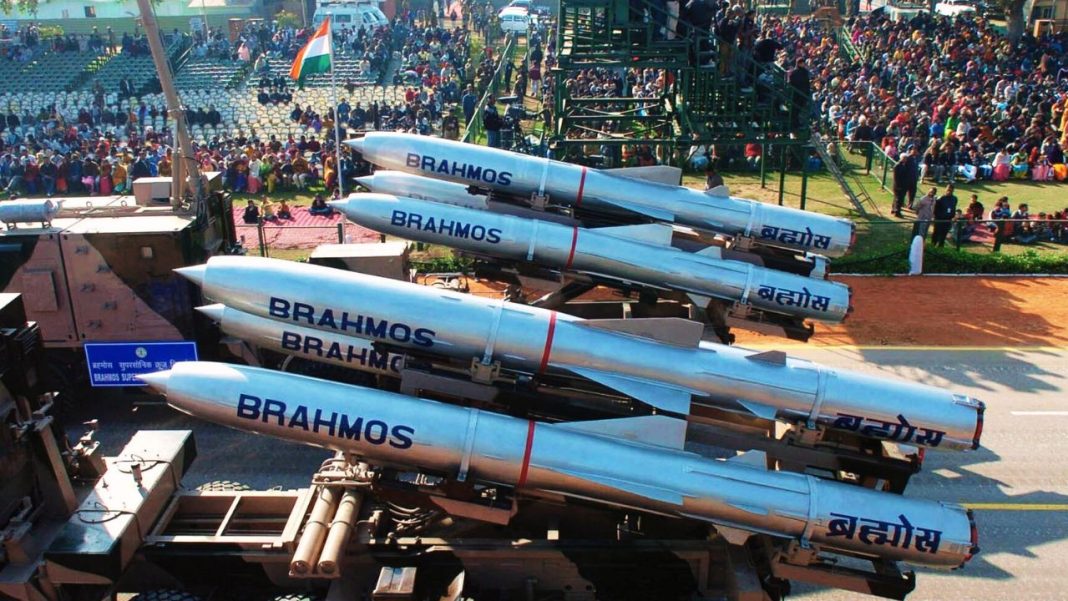
BrahMos is known as a fast cruise missile system designed to strike sea or land targets. For nations watching their waters, speed reduces reaction time for an adversary. And the system fits a logic that regional planners prefer: deterrence close to home, with assets parked near the coast rather than scattered across distant bases. It is a straightforward idea. Keep the coastline harder to pressure.
Vietnam’s Advancing Negotiations for BrahMos Missiles
Vietnam’s interest has been discussed in defence circles for years, but interest alone does not pay invoices. The visible shift is that the conversation now looks closer to procurement than exploration. That changes the tone.
Vietnam sits along a strategic stretch of the South China Sea. Patrol routines are regular, and decision-makers tend to prefer tools that raise the cost of any maritime misadventure. BrahMos, if acquired, would likely be viewed as part of coastal defence planning and sea-denial thinking.
There is also the practical part. Training schedules, maintenance routines, and storage needs are not small tasks. Anyone who has covered defence deals knows the quiet headaches: spare parts planning, depot-level upkeep, and how quickly a system can be made operational. Those questions appear to be taking centre stage now.
Indonesia’s Growing Interest in India’s BrahMos System
Indonesia’s geography reads like a long lesson in why maritime defence consumes budgets. Thousands of islands, long stretches of water, and multiple entry points. It is beautiful on postcards, and a challenge in security planning.
Interest in BrahMos has been linked to Indonesia’s modernisation goals and a need to guard maritime boundaries with credible tools. Defence purchases there often involve long evaluation cycles, a lot of inter-service coordination, and careful political signalling. Even then, the direction seems to be towards a decision point rather than an early chat.
How the BrahMos Export Strengthens Indo-Pacific Security
These potential exports sit inside a bigger regional pattern: partners seeking workable deterrence options without turning every move into a public drama. BrahMos exports would add another layer of capability among countries that share concerns about maritime pressure.
Security in the Indo-Pacific often comes down to routine. Patrol boats leaving at dawn. Radar operators sitting through humid nights. And ports staying open for trade even on tense days. A credible coastal strike option changes how opponents calculate risk. That is the whole point of deterrence.
Boost to India’s Defence Export Goals and Aatmanirbhar Mission
India has spoken often about defence exports and domestic manufacturing. Deals like these turn that talk into a measurable track record. BrahMos exports also help position India as a supplier that can deliver complex systems, not only basic equipment.
Aatmanirbhar goals often get reduced to slogans, and that can be annoying, honestly. But the practical meaning is simple: build, support, and sustain systems with a stronger domestic base. Exports pressure the system to become more reliable, since foreign buyers demand timelines, spares, and accountability. That discipline can sharpen local industry habits.
Economic Impact of the BrahMos Export Pipeline
Defence exports do not behave like consumer exports. They run on long timelines and strict compliance. Still, they bring real economic activity across manufacturing, testing, training, logistics, and long-term support.
A quick snapshot helps:
| Deal Track | Reported Value | Likely Focus Area | What Happens Next |
| Vietnam | Part of ~$450M total | Coastal and maritime deterrence | Final terms, delivery plan, training schedule |
| Indonesia | Part of ~$450M total | Maritime boundary protection | Platform fit checks, contract closure steps |
There is also an indirect effect. Successful exports can ease new negotiations with other countries that watch early buyers closely. Defence buyers talk among themselves, quietly, over years.
Key Challenges in Finalising the Vietnam and Indonesia Deals
The hardest part is rarely the headline price. It is the contract detail. Delivery timelines, training packages, maintenance support, and spare parts commitments can make or break the comfort level on the buyer side.
Another sensitive piece is technology and configuration. Export versions can differ in specifications and integration options. That can lead to negotiation cycles that feel slow, even when both sides want progress.
Then there is capacity. Production slots, test schedules, shipping plans, and deployment timelines need to line up. If one link slips, the whole chain feels it. Defence procurement teams hate surprises, and they hate revised dates even more.
What the BrahMos Export Means for India’s Future Defence Diplomacy
If these agreements close, it would mark another step in India’s defence diplomacy across Southeast Asia. It would show a shift towards deeper partnerships built on capability transfer, training, and sustained support, not only visits and statements.
There is also a message about timing. Countries do not shop for coastal strike systems in calm periods. They do it when pressure feels real. That makes these negotiations worth watching closely. Deals like this can reshape how regional partners see India: not only as a big market, but as a supplier with skin in the outcome. And yes, it is real work sometimes.
FAQs
1) What does “India nears $450M BrahMos missile export pacts with Vietnam, Indonesia” mean in practical terms?
It points to late-stage negotiations, with technical and contract details nearing closure, not early interest talks.
2) Why do Vietnam and Indonesia look at BrahMos missile export pacts as relevant right now?
Both face heavy maritime responsibilities, so coastal strike capability supports deterrence planning and day-to-day readiness.
3) How long do BrahMos export agreements usually take to finalise after public reporting begins?
Timelines vary, since training, spares, platform integration, and delivery schedules need alignment across many agencies.
4) How can these BrahMos missile export pacts affect India’s defence manufacturing goals?
Exports demand dependable production and support systems, pushing better quality control, supply planning, and sustainment readiness.
5) What are the main obstacles seen in India’s progress toward the $450M BrahMos export agreements?
Contract specifics, production capacity, delivery sequencing, support commitments, and configuration limits can slow closure.