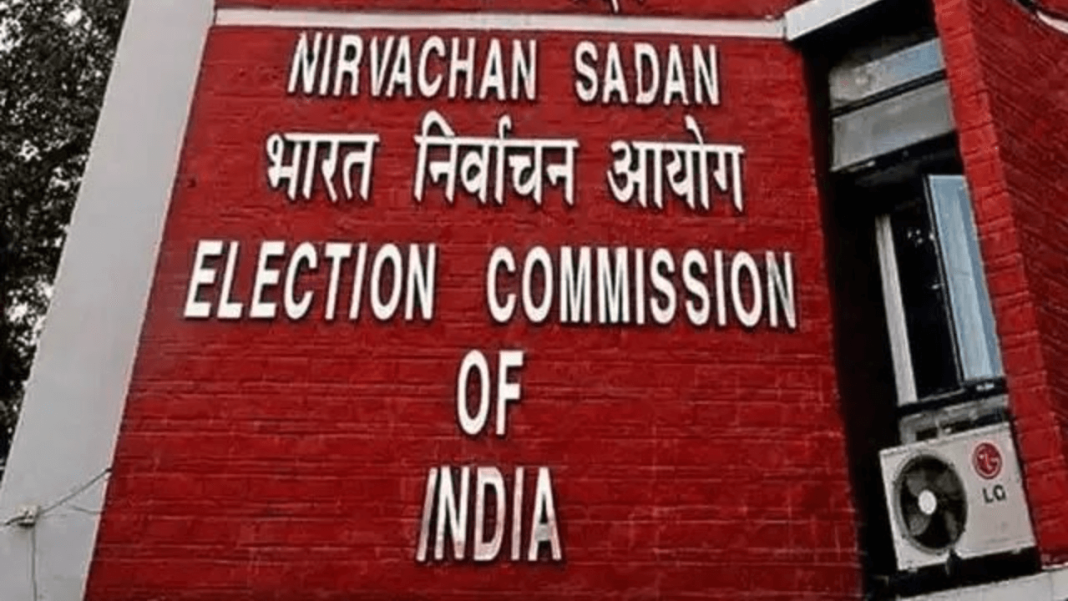

India hosts an international election management meet in New Delhi, with around 100 delegates representing 42 countries set to attend the conference, placing it firmly within the Latest News in India as the gathering puts election administration, voter trust, and practical problem-solving on the table. It also signals how closely global election bodies watch India’s methods and scale. Big crowd, serious agenda.
India’s Global Election Management Conference: Why It Matters
For election administrators, quiet details decide everything. Voter lists, polling staff training, security planning, complaint handling, counting discipline. This conference puts those details in one room, face to face, and that matters. Some countries run elections with a few million voters, others handle tens of millions. India operates at a size that forces systems to work, not just look good on paper. Sometimes the pressure itself teaches the lesson.
The meeting also lands at a time when misinformation, low trust, and online abuse keep rising. Election management bodies cannot ignore that reality. And the public mood changes fast, faster than many rulebooks.
What the 2026 International Election Management Meet Covers
The conference centres on the nuts and bolts of running elections in a democracy. It looks less like a ceremony and more like a working meeting. That’s how it should be, honestly.
Key areas expected on the agenda include:
- Voter roll management and continuous updating methods
- Polling day logistics, staffing, and booth management
- Model codes, enforcement practices, and complaint systems
- Use of technology, audit trails, and process transparency
- Training frameworks for election staff and field officers
- Communication strategies during high-tension phases
The focus stays on administration, not political debate. That line matters, even if it gets tested.
Delegates From 42 Countries: Participation Snapshot
Around 100 delegates are expected, representing 42 countries and their election management bodies. The mix usually includes senior commissioners, technical heads, trainers, and policy staff. Some missions also send observers or experts connected to democracy support work. It is a wide room, and wide rooms bring sharp comparisons.
Participation table
| Participant group | Typical roles seen at such meets | What they usually look for |
| Election management bodies | Commissioners, CEOs, operations heads | Systems, legal process, field execution |
| Technical and security teams | IT heads, cyber leads, audit officers | Risk controls, incident handling, backups |
| Training and capacity institutes | Trainers, curriculum designers | Staff training models, manuals, drills |
| Observers and academics | Researchers, practitioners | Process documentation, data, case notes |
A small note, numbers matter, but quality of discussion matters more. That’s how these meets turn out to be useful.
Key Themes: Inclusive, Resilient, and Technology-Driven Elections
“Inclusive” generally means access. Voters with disabilities, remote communities, migrant populations, first-time voters. It means booths, signage, staff behaviour, and complaint handling. Small changes decide dignity at the booth. That’s not fancy talk.
“Resilient” points to disruption planning. Heat, floods, unrest, cyber incidents, last-minute misinformation, sudden court orders. Election bodies increasingly run like emergency planners. And yes, that sounds harsh, but it is real.
“Technology-driven” is the most sensitive theme. Tech can reduce errors, speed up reporting, and improve consistency. It can also raise trust questions if communication is weak. Tech needs explanation, not just deployment. People notice gaps, even tiny ones.
Inside the Three-Day Agenda in New Delhi
The schedule usually runs through plenary sessions, closed working groups, and bilateral meetings. The bilateral part often carries the most value because it gets specific. Sometimes it gets awkward too.
Common session formats include:
- Plenary discussions on core election standards
- Breakout groups on voter rolls, training, enforcement, and tech
- Case notes on crisis handling and dispute resolution processes
- Bilateral meetings between ECI teams and visiting EMB leaders
New Delhi as host city also makes logistics easier for foreign missions and institutions already based there. Simple reason, practical result.
India’s Evolving Leadership in Global Democratic Cooperation
India’s election administration has long been watched for scale, but global attention now includes process management and institutional training. Bodies like IIIDEM have made training and knowledge-sharing more structured. It is not glamorous work. Still, it matters.
There is also a diplomatic angle. Hosting election professionals builds relationships that sit outside normal political channels. It creates professional trust between institutions. Sometimes that quiet trust survives even when governments argue.
How the Meet Strengthens International Election Partnerships
Partnerships in election management are often technical, not symbolic. They include staff exchanges, shared training modules, observer arrangements, and joint research on field challenges. The meet creates space to start those conversations without formal pressure. That’s useful.
Likely partnership outcomes discussed at such events:
- Training support and curriculum sharing
- Peer reviews of voter roll practices and audit steps
- Technical cooperation on cybersecurity readiness
- Templates for voter education and grievance systems
It is slow work, and slow work is often the only kind that lasts.
Impact on India’s Election Diplomacy and Global Standards
A well-run international meet strengthens India’s position as a reference point for election administration. It also invites scrutiny, which is not a bad thing. Scrutiny forces clarity. And clarity reduces noise.
Global standards do not arrive as one fixed rulebook. They form through comparisons, shared mistakes, and repeated improvements. India’s methods will be questioned, tested in discussion, and sometimes copied with local changes. That is normal. Some visitors will agree, some will push back, and that tension is healthy.
FAQs
1) What is the main purpose of this international election management meet in India?
The meet focuses on election administration practices, problem-solving methods, and cooperation between election management bodies across countries.
2) Why are around 100 delegates and 42 countries significant for this conference?
The scale indicates strong international interest, and it allows comparisons across different election sizes, legal systems, and field conditions.
3) What kind of topics get discussed at such election management conferences?
Sessions usually cover voter rolls, polling logistics, staff training, grievance handling, enforcement systems, and responsible use of technology.
4) How does hosting the conference affect India’s standing in election management discussions?
It strengthens institutional ties and positions India as a reference point, while also inviting professional scrutiny and peer feedback.
5) What outcomes can be expected after the 2026 election management conference ends?
Likely outcomes include training partnerships, follow-up bilateral work, shared documentation, and coordinated approaches to newer election risks.