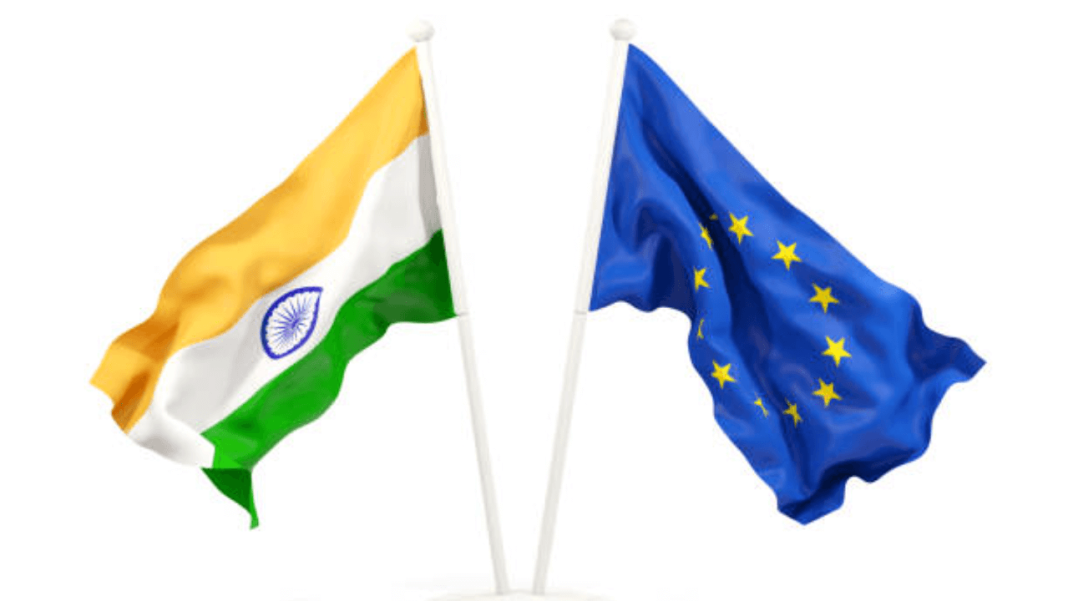

India and the European Union have finally brought their long-running free trade talks over the finish line, setting up one of the world’s largest bilateral pacts by economic weight. Latest News in India Leaders on both sides framed it as a confidence signal in a jittery tariff era, with India and the EU together representing roughly a quarter of global GDP and about a third of global trade.
The official post of European Commission President Ursula von der Leyen called it the “mother of all trade deals.”
What The Deal Changes For Business
For India, the headline is broader access to its biggest goods trading partner while still protecting sensitive lines; for Europe, it is a clearer runway into a fast-growing consumer and manufacturing market. Two-way trade was about $136.5 billion in India’s FY ending March 2025, and both sides are pitching the deal as a growth lever for investment, services, and supply-chain resilience.
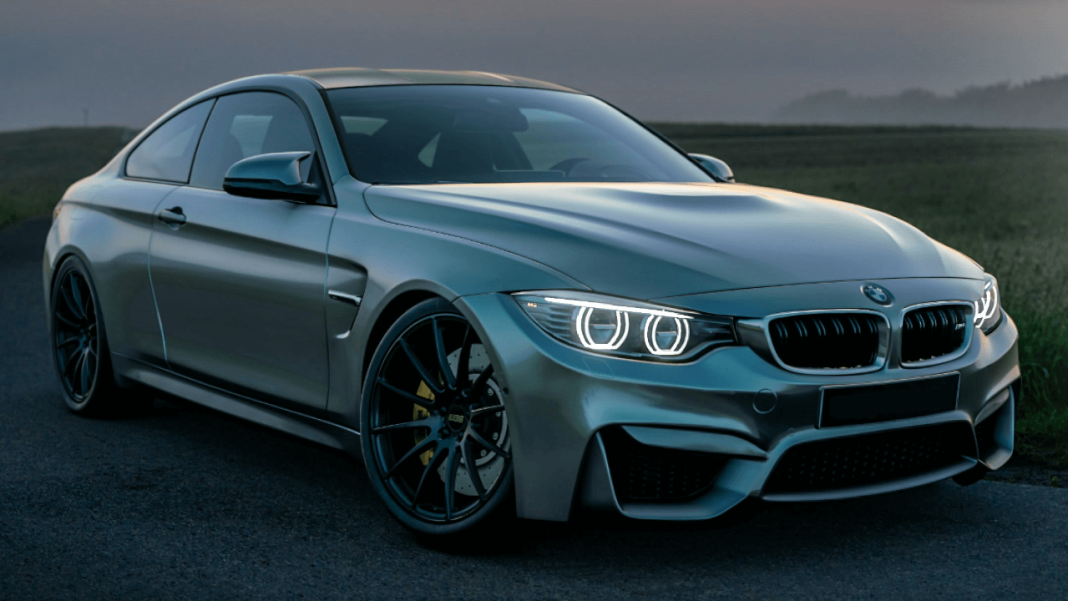
A major “trending” flashpoint has been autos: sources say India is poised to cut tariffs on a limited number of EU cars to 40% initially, with staged reductions later, while keeping electric vehicles more protected early on.
Another watchpoint is climate-linked trade friction: companies are already planning for EU carbon-border costs and greener compliance paperwork as the deal’s fine print is finalised.
The Fast-Moving Sectors To Watch
Expect heavy action in clean tech, pharmaceuticals, and semiconductors, where Brussels and New Delhi want less single-country dependence and more predictable rules for joint production.
What Happens Next
Today’s political breakthrough still needs legal “scrubbing,” formal signing, and approvals, so the real-world switch-on could take months, with implementation anticipated within about a year after signatures.