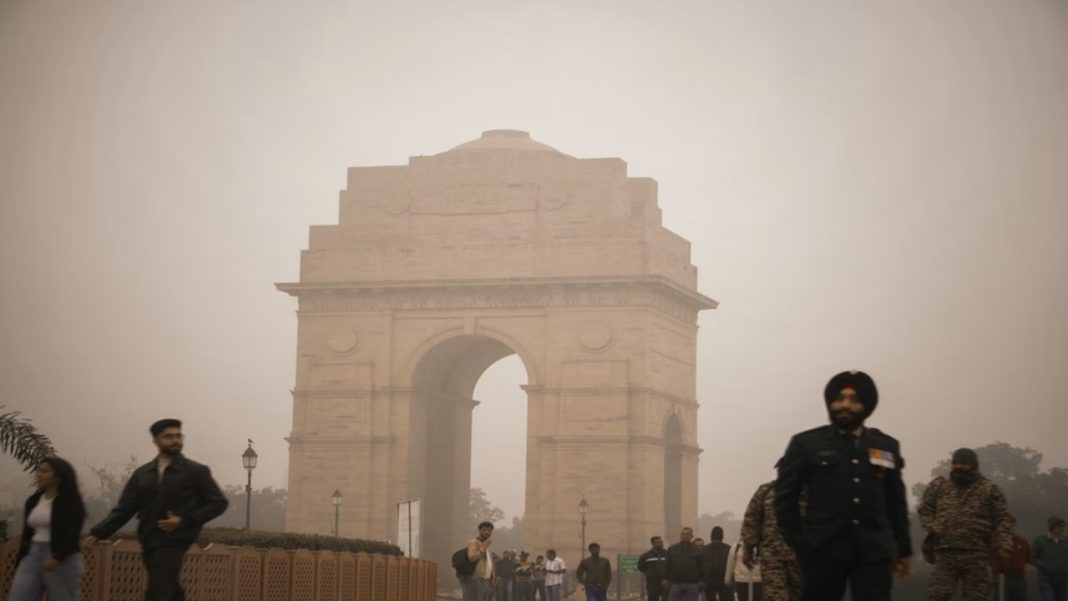

India still talks about heatwaves as if they are a summer inconvenience. They are not. They are now a systems problem. The India Meteorological Department has already said the hot-weather season from April to June 2026 is likely to bring an above-average number of heatwave days, while the government is preparing for peak power demand to touch a record 270 GW. That alone should end the old habit of treating heat as a weather story instead of a public-health emergency.
The Real Crisis Begins Before Hospitals Overflow
The danger is not only sunstroke on the pavement. Heat worsens dehydration, kidney stress, cardiac strain, respiratory distress, and medicine instability. In 2024, India reported more than 40,000 suspected heatstroke cases and at least 110 confirmed heat-related deaths by mid-June, while hospitals in several regions had to create special heat units and schools were forced to shut. That was a warning, not an exception.
India Already Has The Framework. It Must Now Behave Like It Means It
This is not a case of starting from zero. NCDC’s official advisory tells state health departments to update heat-health action plans, monitor daily surveillance data, train frontline workers, ensure ambulance readiness, and prepare health facilities with ORS, IV fluids, ice packs, and dedicated heatstroke management units. It also asks states to disseminate IMD warnings daily and strategically establish public cooling and drinking-water facilities. Those are not side notes. They are the backbone of a serious heat-health response.
The Missing Link Is Last-Mile Readiness
India’s weakness is not always policy design. It is a translation. A city can have a heat action plan on paper and still leave outdoor workers, slum communities, elderly people living alone, and overcrowded clinics exposed. NDMA’s advisory for informal workers makes this plain: heat protection must extend to work hours, hydration access, shaded rest, and field-level enforcement.
A Health-System Stress Test Needs Health-System Thinking
The correct question is no longer, “How hot will it get?” It is, “Can PHCs, district hospitals, ambulance networks, drug storage systems, labour departments, and city authorities absorb repeated heat shocks without breaking?” Heatwaves now test surveillance, staffing, supply chains, and urban planning at the same time. Until India measures heat preparedness the way it measures outbreak readiness, every summer will keep exposing the same blind spots. A serious country does not wait for casualty counts to declare an emergency. It reads the forecast and acts before the first ward fills up.
FAQs
1. Why are heatwaves now a health-system issue?
Because they strain hospitals, ambulances, medicines, workers, surveillance systems, and vulnerable households all at once.
2. Who faces the highest risk during Indian heatwaves?
Outdoor workers, elderly people, children, chronically ill patients, and low-income families in dense settlements.
3. What should states do before peak heat arrives?
Train staff, stock ORS and fluids, activate alerts, prepare cooling spaces, and monitor cases daily.
4. Are heat action plans alone enough to save lives?
No. Plans fail without ward-level execution, worker protection, transport readiness, and real-time public communication.
5. What makes 2026 especially important for India?
IMD expects above-average heatwave days, while power demand and urban stress are both rising.