
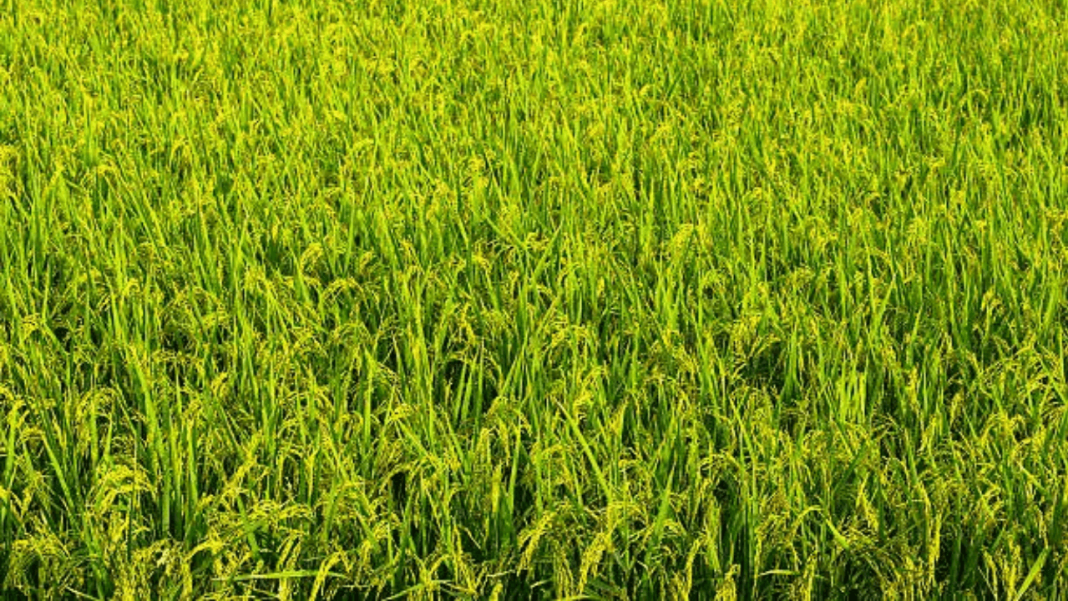

India becomes the world’s largest rice producer, shifting global rice production rankings and pushing China to second place, a development closely tracked in Latest News in India. India surpasses China in rice production after a strong output cycle that lifted India rice production 2025 figures into the top slot. The change matters for domestic food supplies and export flows. It also puts a fresh spotlight on water use and farm costs. Feels big, yet everyday at the same time.
India Surpasses China to Become the World’s Largest Rice Producer
India now sits at number one in global rice production rankings, ahead of China. The update has been stated publicly by senior government voices, and it lines up with the stronger harvest numbers discussed across the agriculture system this season. The shift looks simple on paper, but it took years of work across seed labs, extension teams, and fields. That’s how it reads on the ground, anyway.
Key Factors Behind India’s Record-Breaking Rice Output
Several drivers show up again and again in field reports and procurement chatter. And it is not one magic switch.
- Higher area under paddy in key belts after decent reservoir positions in parts of the season
- Wider reach of improved varieties, including short-duration options in some districts
- Tighter farm practices: better nursery timing, spacing, and pest checks
- Mechanisation in pockets, especially for transplanting and harvesting
- Better movement of grain to mandis and procurement points in many states
Some districts still struggled. Others surprised everyone. It goes like that.
Statistical Breakdown of India’s 2025–26 Rice Production
The headline comparison points to India rice production 2025–26 crossing China’s output level for the same cycle, with widely reported figures circling around 150 million tonnes for India and 145 million tonnes for China. Numbers shift a bit across estimates, but the ranking story stays steady. Not perfect, still clear.
| Item | India | China |
| Estimated rice output (million tonnes) | ~150 | ~145 |
| Ranking in global rice production rankings | 1 | 2 |
| Export posture | Major exporter | Limited exporter |
So the table looks tidy. Reality looks messy in villages, as always.
Government Policies and Innovations Driving the Growth
Policy support sat behind the surge, including procurement assurance in many regions and continued public investment in crop research. Seed development and release pipelines, routed through national research networks, pushed newer lines toward farms. And extension activity, even the basic field demo, still matters a lot in India. Old-school, but it works.
A few policy-linked features kept showing up in farmer conversations: MSP expectations, smoother procurement in certain mandis, and quicker access to certified seed in some blocks. Not every place felt the same benefit, though. That part stays uneven.
Impact on Global Rice Markets and Food Security
India’s top position changes the tone in trade markets because India already ships rice at scale. Larger output usually eases pressure on supply, supports buffer stocks, and steadies domestic availability for price-sensitive households. It can also influence export policy calls, especially when global buyers watch India’s decisions closely. Quiet power, not loud drama.
Key effects being watched:
- Export volumes and destination diversification
- Price movement across Asian benchmarks
- Stockholding comfort levels inside India
- Import planning in Africa and West Asia
And the market reacts fast to any hint of restriction or release. Traders do not wait.
Sustainability Challenges for India’s Rice Sector
The celebration comes with worry, mainly water. Paddy remains a heavy drinker in several belts, and groundwater stress sits right under the surface in many places. Also, fertiliser use and methane concerns keep returning to the discussion. Not everyone wants to talk about that on a happy day.
Some practical pressure points keep repeating:
- Falling water tables in parts of north India
- Rising power subsidy burden tied to pumping
- Soil fatigue in repeated rice-wheat cycles
- Higher labour cost where mechanisation stays low
But farmers also have bills today, not theories. That tension feels real.
How China’s Rice Production Declined in Comparison
China’s production story has been shaped by different constraints: land competition, shifting farm economics, and regional climate variability. A smaller gap can still flip rankings when India posts a strong year. China remains a giant in absolute terms, yet the direction line has softened compared to India’s recent pace.
It looks like a numbers game, but policies and demographics sit behind it. And China focuses more on internal stability than export dominance. That difference matters.
What This Milestone Means for Indian Farmers and the Economy
For farmers, the top-rank headline matters only if returns hold. Procurement performance, timely payments, and input costs decide the mood in many villages. Higher national output can also mean local price pressure if procurement or storage lags. So it is not automatic joy. Sometimes it even feels like extra stress.
For the wider economy, stronger rice output supports food inflation control, rural cash flow, milling activity, and transport demand. It also strengthens India’s leverage in staple grain trade talks. The country already carries that weight, now it carries the crown too.
Future Outlook for India’s Position in Global Rice Production
India holding the top spot will depend on yields, water planning, and climate resilience. Short-duration varieties, better irrigation discipline, and micro-level advisory can keep output stable without expanding water stress. Export policy will stay under a microscope because even small rule changes move global pricing. That’s the new normal, honestly.
The next phase may look less like a victory lap and more like hard maintenance work, season after season. Not glamorous, still important.
FAQs
How did India surpass China in rice production this season despite a similar long-term scale?
India posted a stronger output cycle, and small percentage gains were enough to change rankings. That’s simple math.
What does India becoming the world’s largest rice producer mean for global rice importers?
Importers watch India’s supply and export signals closely because India supplies many markets at scale.
Are India rice production 2025 numbers enough to guarantee stable domestic prices all year?
Not always, since local procurement, storage capacity, and input costs also affect retail pricing.
Why do global rice production rankings matter if both India and China still produce huge volumes?
Rankings influence trade expectations, policy messaging, and market sentiment during supply tightness periods.
What is the biggest risk to India staying ahead in rice output during coming seasons?
Water stress and climate swings remain the biggest threats, especially in regions relying on groundwater pumping.