

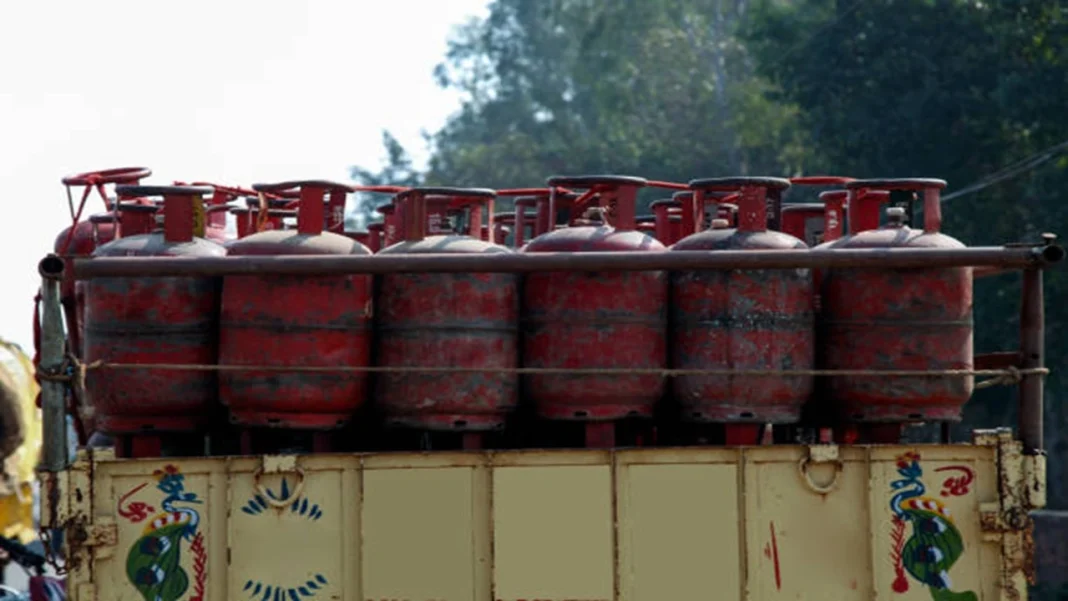

A cooking gas problem that began as a supply-side disruption has now turned into a daily business headache for restaurants across India. Commercial LPG cylinders, the fuel many kitchens still depend on, have become harder to secure in several cities just as wedding season, summer travel, and food demand stay strong. Industry bodies and major chains say outlets have cut menus, shortened hours, and in some cases shut temporarily because cylinder deliveries are delayed or incomplete. The pressure is hitting not only large restaurant brands but also dhabas, tea stalls, sweet shops, and small independent kitchens that cannot easily switch fuels overnight.
Why The Commercial LPG Crunch Is Hurting Food Businesses
The immediate issue is supply. India relies heavily on LPG imports from West Asia, and the current disruption has been linked to tensions around the Strait of Hormuz and broader regional instability. Reuters reported that this is already affecting restaurant activity, while industry reporting in India says many businesses are receiving only part of their usual cylinder requirement. That has turned basic kitchen planning into a scramble.
What Restaurants Are Doing To Stay Open
Across Mumbai, Pune, and other markets, restaurants have started trimming long-cook items, limiting frying-heavy dishes, and shifting wherever possible to induction or piped natural gas. Business Standard reported that about 60% to 70% of restaurants in one industry survey had moved partly to alternatives, while Indian Express reported a fresh rush of applications for PNG connections in Pune and Pimpri Chinchwad. That tells you this is no longer seen as a short inconvenience. It is changing kitchen strategy.
Why Small Eateries Feel It First
Small operators usually lack storage buffers, backup fuel systems, and the capital needed for rapid conversion. Reuters said roadside eateries and sweet shops have already scaled back or shut in some places, and local industry groups in Maharashtra warned that a large share of hospitality outlets were under serious strain.
Stay updated with stories shaping the world!
How Apple Marked 50-Year Journey?
Discover Apple’s milestone celebration and what lies ahead for its iconic iPhone legacy.
What Makes ONGC Daman Project Key?
Explore its gas output, capacity, and why this project matters for India’s energy future.
Who Is Mojtaba Khamenei Today?
Discover his rise, influence, and role in shaping Iran’s current political direction.
Are You Falling For Gen Z Scams?
Check the latest scam alerts and learn about the online traps targeting young users.
Can India Russia Trade Hit $100B?
Explore new plans and strategies aimed at boosting trade between the two nations.
What The Government Has Done So Far
The Centre has gradually raised commercial LPG allocation after earlier restrictions. A PIB release said an additional 20% allocation was approved in Phase III, taking total commercial supply to about 70% of earlier levels, with priority sectors including hotels, dhabas, restaurants, industrial canteens, food processing, and community kitchens. The government has also stepped up anti-hoarding checks and expanded access to smaller market-priced cylinders.
What Happens Next If Supplies Stay Tight
This story is now bigger than restaurant inconvenience. Lower kitchen activity has already started affecting edible oil and sugar demand, according to Reuters, showing how fuel shortages can ripple across food supply chains. The next phase depends on whether imports stabilize quickly and whether more restaurants can shift to PNG or electric cooking. Until then, commercial cylinder access will remain one of the most closely watched pressure points in India’s food business.
FAQs
1. Why are commercial LPG cylinders hard to get now?
West Asia-linked supply disruption and domestic prioritisation have reduced normal commercial LPG availability for restaurants.
2. Which businesses are getting hit the hardest?
Small restaurants, dhabas, sweet shops, and tea stalls face the sharpest disruption first.
3. Has the government increased commercial LPG supply?
Yes, allocation was raised in phases to around 70% of earlier supply levels.
4. Are restaurants switching away from LPG?
Yes, many are moving toward PNG, induction systems, and tighter fuel-saving kitchen practices.
5. Could this affect food prices and availability?
Yes, reduced kitchen output can disrupt menus, supply chains, and local food pricing.