
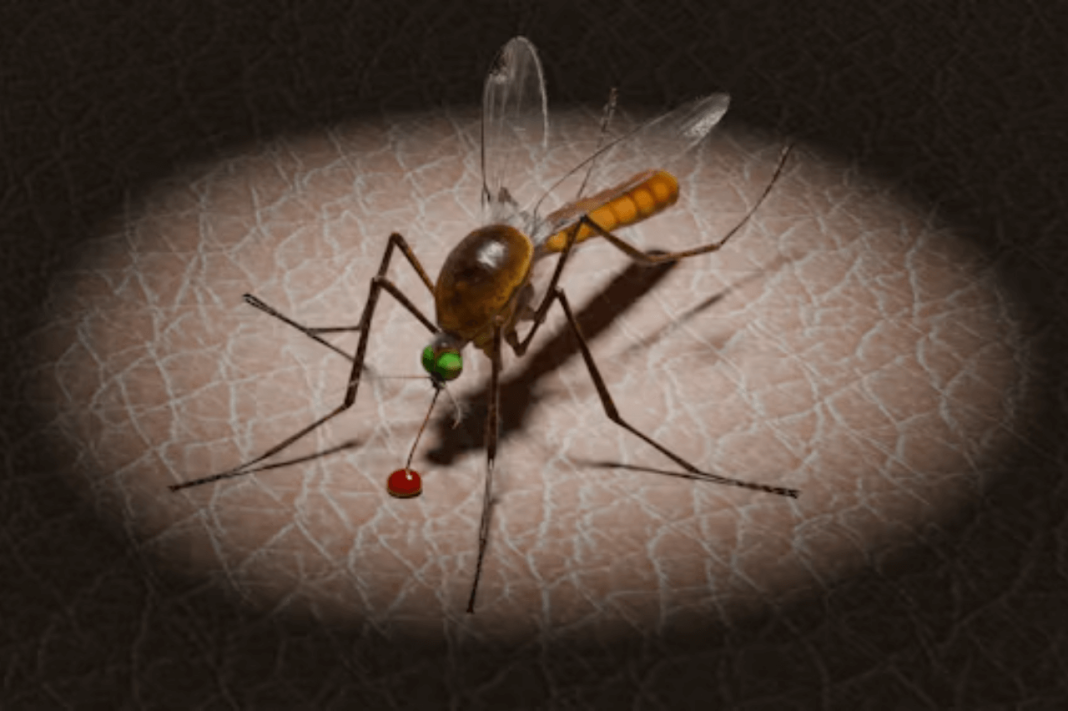

A health worker lifts a net in a warm, buzzing clinic, checks a stack of test cards, and nods. Numbers are moving the right way. India approaches malaria reduction targets, yet still bears 73% of South Asia’s burden, WHO notes. India Current News feels mixed, honestly.
India’s Progress Toward Meeting Malaria Reduction Targets
Case counts trend downward across several seasons. Deaths fall too, tracked by routine blood tests and doorstep surveillance. States run tighter reporting, quicker treatment, steadier supplies. Monsoon spikes still appear, but smaller than the bad years people remember. Progress looks real. That’s how it reads anyway.
Why India Still Accounts for 73% of South Asia’s Malaria Burden
Population scale meets stubborn hotspots. Forest belts, mining pockets, canal edges, settlement clusters with standing water after evening pumps. Transmission lingers, then flares. Neighboring countries have smaller pools of risk, so India’s share looks heavy even when totals drop. It feels harsh, yet accurate.
Key Insights From the Latest WHO Malaria Report
The report flags steady gains, seasonal fragility, and uneven maps. Urban districts show patchy risk tied to construction pits and temporary worker camps. Rural blocks rely on field teams who walk long distances in damp air. One missed round of spraying and numbers jump. Happens more than it should.
Government Measures Driving India’s Malaria Decline
- Wider rapid testing and early treatment at sub-centres.
- Insecticide-treated nets with better rotation and tracking.
- Indoor residual spraying scheduled to actual rainfall, not just calendar.
- Digital case logs that push alerts to block teams.
- Micro-plans for high-risk hamlets that used to get skipped.
Small things add up. Sometimes it’s the small habits that matter.
Challenges Slowing India’s Path to Malaria Elimination
Terrain, distance, and staff churn. Supply trucks stuck after a cloudburst. Clinics that lose power when evening queues form. Migrant families move mid-season and slip through registers. Health workers still juggle multiple programs in peak months. Tired eyes, long rosters. Not a complaint, just reality.
Drug Resistance and Emerging Threats Highlighted by WHO
Warnings around parasite response to first-line therapies keep surfacing. Lab signals, treatment time, fever clearance that takes longer than last year. Vector behavior shifts too. Some mosquitoes feed outdoors or earlier in the evening, dodging indoor spray cycles. Streets smell of damp mud after short showers. Perfect breeding.
Regional Comparison: How India Measures Against Other South Asian Nations
A quick snapshot, plain and practical.
| Country/Area | Trend | Notes |
| India | Decline with high share | Hotspots in forest and peri-urban stretches |
| Sri Lanka | Sustained elimination | Import risk monitored at ports |
| Nepal | Mixed by altitude | Seasonal valleys, focused drives |
| Bangladesh | Progress with coastal watch | Marshy belts, cyclone cleanup |
| Pakistan | Variable | Flood-linked spikes reported |
Figures differ by year. The wider point stands.
What India Must Prioritise to Achieve the 2027–2030 Elimination Goals
- Finish the last-mile lists for every hotspot hamlet. No vague maps.
- Align spray cycles to real rainfall, not only fixed quarters.
- Keep alternate drug stock where delayed response is suspected.
- Support ASHAs with simple checklists and on-time travel payments.
- Trace migrant families with portable records.
Doable work, if managers keep eyes on the ground. Maybe they’re right.
Public Health Implications for India’s Future
Fewer fevers means more school days, steadier wages, calmer outpatient rooms at dusk. Clinics can push energy to maternal care, immunisation, chronic disease lines. Tourists hear fewer warnings. Employers plan shifts without surprise sick lists after heavy rain. Nothing flashy, just quieter words. That counts for people.
Strong Progress, but Continued Vigilance Needed
India approaches malaria reduction targets with real, measured gains. Field staff talk of fewer night calls, quicker relief, less panic. Yet the country still carries most of South Asia’s malaria weight, which keeps pressure on planning. The task now is unglamorous work.
Fix the hard pockets, watch drug response, keep nets moving, match spraying to weather, and protect migrant workers. If that stays consistent through two or three monsoons, elimination timelines look achievable. Not easy. Achievable.
FAQs
1. How does India reduce malaria while holding most of South Asia’s burden at the same time?
National totals fall, but India’s sheer size and stubborn hotspot clusters keep its regional share high, so both statements hold, and the math checks out in seasonal reviews.
2. Which measures show the fastest results at block level during peak season?
Early testing, same-day treatment, and tight spray cycles aligned to local rain patterns reduce weekly cases quickly, especially where nets are distributed with proper follow-up.
3. Why do some districts drop cases sharply while neighbors struggle through similar rains?
Differences in staffing stability, last-mile logistics, water management near construction, and how strictly micro-plans get executed explain uneven results, frustrating as it feels.
4. What signals tell teams to worry about treatment response and resistance?
Longer fever clearance times, recurrent positives after full courses, and cluster patterns near known hotspots push clinicians to use backup protocols and escalate reporting.
5. What should communities actually do during a wet fortnight with frequent outages?
Clear stagnant water daily, sleep under nets without gaps, report fevers fast, and keep simple logs in each lane, then hand them to visiting teams, which sounds low-tech but works.