
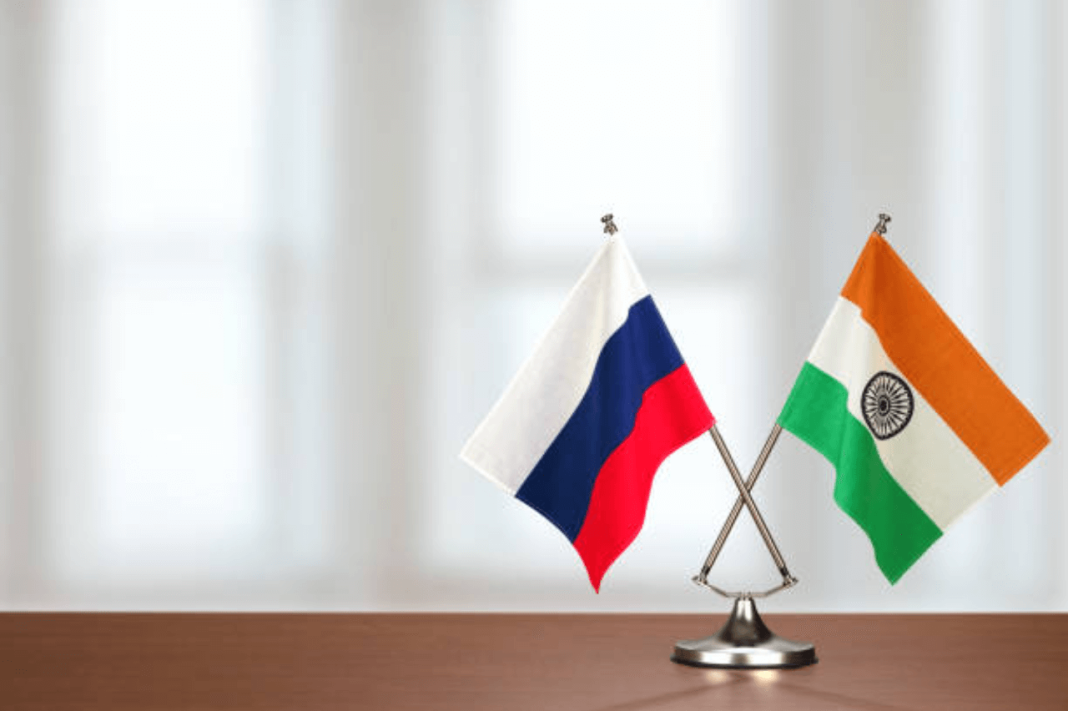

The Strategic treaty between India and Russia also took a new step after both countries signed 16 key agreements involving defence, trade, economy, healthcare, culture and education. The contracts were signed at the 23rd India-Russia Annual Summit in Delhi at which both Prime Minister Narendra Modi and Russian President Vladimir Putin were present. The developments are indicative of the increased intensity of bilateral cooperation in the face of geopolitical changes in the world. Having undertaken to strengthen defence cooperation, trade and joint action against terrorism, the summit strengthened the trust-worthy relationship between both nations and created new opportunities to develop economic and people-centered cooperation, making it a significant highlight in India Current News.
Strengthening Strategic Partnership Through Key Agreements
The bilateral relations are changing as witnessed by the signing of India-Russia agreements in various sectors. The agreements cut across defence production, healthcare development, scholarly exchange, cultural interaction, and media collaboration. Prime Minister Modi stressed the fact that India-Russia relationships have been tried and tested and will only keep on strengthening despite all the uncertainties in the world. Both leaders renewed their dedication to peace, development and stability of the region.
Defence and Security Cooperation Remains Central
Defence is still one of the pillars of the relationship. The leaders restated their strict actions against terrorism in all its manifestations such as cross-border extremism and terror financing. The combined declaration vehemently declared recent terror attacks in Jammu and the Pahalgam Area in Kashmir and the Crocus City Hall in Russia. The two countries also requested a joint effort in fighting terrorist organizations that are on the UN list like Al-Qaeda and ISIS. Vikram Misri, the Foreign Secretary, affirmed that the India-Russia agreements in the defence sector will still assist India in its own Make in India program.
Trade Boost Through Eurasian Free Trade Agreement
The other key result of the summit was the new impetus to the Free Trade Agreement between India and the Eurasian Economic Union (EAEU). The two sides were also willing to accelerate negotiation with specific schedules. Such a trade agreement is likely to increase bilateral trade significantly, enhance market accessibility and encourage industrial collaboration. Another initiative that was co-chaired by the leaders was the India-Russia Business Forum that indicates the involvement of the private sector in the future development.
Healthcare, Tourism, and Cultural Cooperation
One of the major spheres of cooperation was healthcare as new agreements concerning medical research and pharmaceutical cooperation were signed. India announced the introduction of a free 30-day e-tourist visa, and group tourist visa to Russian citizens on a tourism spur. Besides, Russia signed an agreement to become a part of the International Big Cat Alliance, which reinforced environmental cooperation. People to people ties were also facilitated through cultural and academic exchange.
Global Issues and the Ukraine Conflict
President Putin informed Prime Minister Modi of the events concerning the conflict in Ukraine. India also repeated her historic stand of dialogue and diplomacy. The meetings reiterated the desire of the two countries to resolve the conflict peacefully and trust international law.
India’s Economic Vision and Global Standing
At the Business Forum, PM Modi was confident that India was moving towards making itself the third-largest economy globally in its strategy of Reform, Perform, Transform. The expanding nature of India-Russia agreements is in line with this vision as it provides energy security, infrastructure and industrial growth.
Conclusion
The 16 agreements that were signed during the 23rd India -Russia Annual Summit are considered a huge step towards strategic, economic, and humanitarian cooperation. In defence production, healthcare innovation, tourism facilitation and more, both countries reiterated their desire to work towards a future-oriented relationship grounded in trust, resilience and mutual gains.