
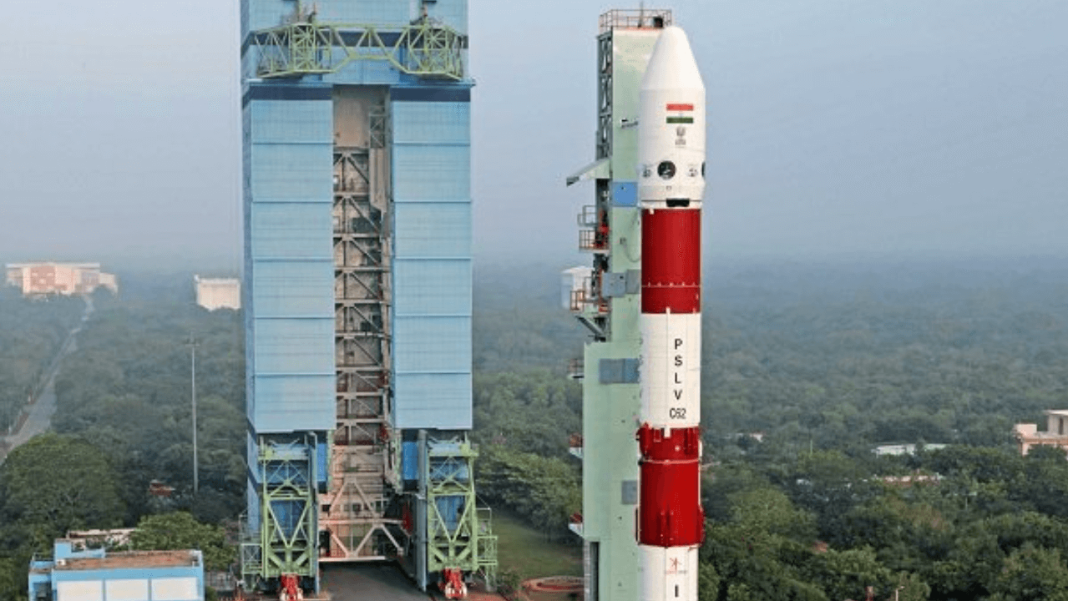

ISRO to launch PSLV-C62 mission on January 12, 2026, and the schedule has already stirred serious attention in the space sector, making it part of the Latest News in India as focus sharpens on early-year space missions. The PSLV-C62 launch will carry EOS-N1 as the main satellite, along with 18 smaller payloads on a shared ride. It is a clean, practical mission on paper. But the stakes feel higher than the usual routine. That’s the honest mood around it, at least.
Mission Overview: What PSLV-C62 Will Launch on January 12, 2026
PSLV-C62 is lined up as an early 2026 mission, planned for January 12, 2026, using the Polar Satellite Launch Vehicle in a PSLV-DL setup. The flight plan focuses on putting one primary spacecraft into the intended orbit, then releasing additional small satellites in sequence. Simple aim, strict execution. Space work stays unforgiving.
Key points being tracked closely:
- Mission name: PSLV-C62
- Launch date: January 12, 2026
- Main payload: EOS-N1
- Co-passengers: 18 satellites
- Vehicle setup: PSLV-DL configuration
One thing stands out: this is not a “show” mission. It looks like a work mission. That matters.
EOS-N1: The Primary Satellite and Its Strategic Importance
EOS-N1 is the headline payload for PSLV-C62. It sits in the Earth Observation family, and the purpose is clear: sharper monitoring of activity on ground and sea, plus routine imaging tasks that support planning and response work. It is not the kind of satellite that gets described in emotional language. Still, it carries weight.
Strategic value usually comes down to three points:
- Better watch on borders and coastal zones
- Faster imagery support during emergencies and disasters
- Wider coverage that reduces dependence on limited windows
And yes, EOS-N1 also fits into the larger pattern India has followed for years: build capability, keep it steady, keep it usable. Sounds plain, because it is. That’s how these systems survive.
Secondary Payloads: The 18 Satellites Riding With PSLV-C62
Along with EOS-N1, PSLV-C62 will release 18 smaller satellites. These rideshare missions do two jobs at once: they lower launch cost for small teams, and they keep the rocket fully utilised. Efficient, no drama. It also shows confidence in mission planning.
The smaller payloads usually fall into buckets like these:
- Student or research cubesats for experiments
- Start-up satellites testing sensors, radios, or onboard software
- International payloads placed through commercial agreements
Each tiny satellite has its own goal, its own risk. Some succeed quietly. Some fail quietly too. That is space, no shame in it.
Why the PSLV-C62 Mission Matters for India in 2026
This launch matters because it sets the tempo early in the year. A clean January mission gives momentum to the rest of the calendar, and it helps teams lock processes into place. It also reinforces the PSLV reputation as a dependable launcher for mixed payload stacks. People still trust PSLV for that reason. Trust is earned slowly.
There is also the national angle. EOS-N1 strengthens observation capacity, and the rideshare list signals that India keeps a door open for commercial and partner missions. So it is strategic and practical at the same time. Feels like typical ISRO thinking, honestly.
Technical Breakdown of the PSLV-DL Launch Vehicle
PSLV-DL refers to a PSLV variant that uses a core stage with strap-on boosters, tuned for specific payload needs. The design stays familiar, and that familiarity is not a weakness. It keeps training, checks, and ground handling consistent. Sometimes boring is the best sign.
A quick look at how the stack generally works:
| Segment | What it does | Why it matters |
| Boosters | Extra push at liftoff | Helps clear thick lower atmosphere |
| Core stage | Main climb and speed build-up | Sets the base trajectory |
| Upper stages | Final orbit insertion steps | Precision work, small errors hurt |
The hard part is not describing stages. The hard part is timing and separation events. That’s where missions get tested, every single time.
How to Watch the PSLV-C62 Launch Live
Public interest stays strong for PSLV launches, and ISRO usually streams major missions on official channels. Viewers typically follow:
- ISRO’s official website updates
- Official live stream links shared near launch window
- News channels carrying the feed and commentary
Launch timings can shift due to weather and range readiness. That is normal. People forget that part, then get angry, and then it happens again.
How This Mission Supports India’s Upcoming Space Programme
PSLV-C62 supports the wider programme in a quiet but direct way. It keeps launch cadence active, it validates ground systems, and it sharpens coordination across tracking networks. That is the real backbone work. And the rideshare portion keeps industry and academic teams in motion too.
India’s next set of missions will demand stable execution, not hype. PSLV flights keep that muscle trained. Simple line, but true. Sometimes it’s the routine missions that keep the big missions safe.
Final Thoughts on ISRO’s First Major Launch of 2026
ISRO to launch PSLV-C62 mission on January 12, 2026, and the mission reads like disciplined engineering rather than a headline stunt. EOS-N1 brings serious observation utility, while the 18 smaller satellites show how PSLV keeps serving multiple users on one flight. The public will watch it like always, but the real audience includes engineers, planners, and partners tracking reliability. If the launch goes clean, it sets a firm tone for the year. That’s the point. And yes, the pressure is real.
FAQs
1) What is the main purpose of the PSLV-C62 mission scheduled on January 12, 2026?
The mission aims to place EOS-N1 in orbit and deploy 18 smaller satellites as co-passengers, under one launch.
2) What is EOS-N1 and why is it seen as strategically important?
EOS-N1 is an Earth observation satellite intended for sharper monitoring and faster imagery support during security and emergency needs.
3) Why does PSLV-C62 carry 18 additional satellites along with EOS-N1?
Rideshare payloads reduce launch costs for small teams and maximise rocket utilisation, while keeping deployment carefully sequenced.
4) What does PSLV-DL mean in the context of the PSLV-C62 launch vehicle?
PSLV-DL indicates a PSLV configuration that uses strap-on boosters suited for the mission’s payload mass and orbit plan.
5) Where can viewers watch the PSLV-C62 launch live without missing official updates?
Viewers can follow ISRO’s official digital channels and trusted news broadcasters, since timing updates often appear close to launch.