

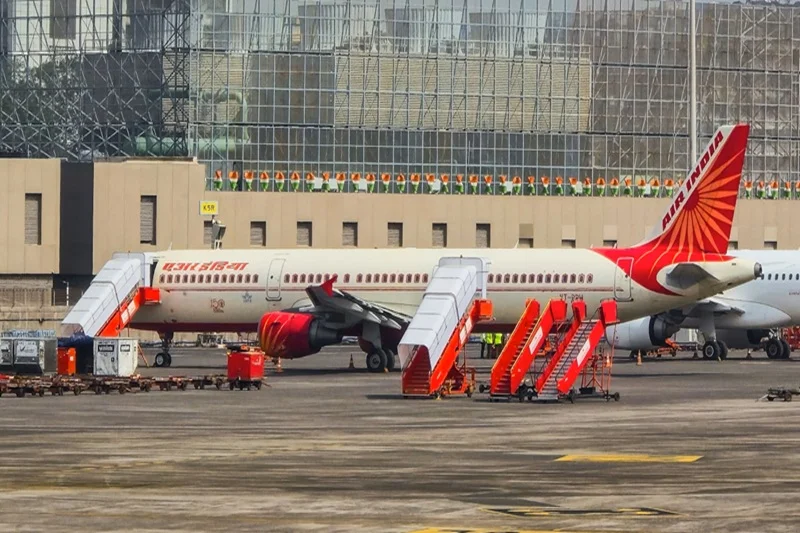

The steep rise in aviation fuel prices is now sending shockwaves through India’s aviation sector. The ripple effect of fuel prices will impact travellers across the world. The jet fuel prices in India 2026 have crossed ₹2.07 lakh per kilolitre for the first time ever, marking an unprecedented spike and signalling deeper trouble in global energy markets.
The dramatic rise is not just a pricing update; it reflects the growing impact of West Asia tensions and global oil disruption. Hence, they are now directly affecting airlines and passengers.
Jet Fuel Prices India 2026: Record-Breaking Spike
The latest revision shows that jet fuel prices in India 2026 have more than doubled in a short period. With prices in Delhi reaching around ₹2,07,341 per KL, compared to much lower levels just a month ago. It is the first time in India’s history that Aviation Turbine Fuel (ATF) has crossed the ₹2 lakh mark. It is highlighting the severity of the current energy crisis.
The increase over 100% in some cases within a month is among the sharpest fuel price jumps seen in recent years.
What’s Driving the Surge?
The rise in jet fuel prices in India 2026 is primarily linked to global geopolitical developments rather than domestic factors.
- West Asia Conflict
Ongoing tensions and conflict in West Asia have disrupted oil supply chains and raised fears of further escalation. This region is critical to global oil production, and any instability directly pushes crude prices higher.
- Strait of Hormuz Risk
A major portion of global oil passes through this route. Any threat or disruption here creates panic in oil markets, driving up prices globally.
- Surge in Global Crude Oil Prices
Crude prices have risen sharply due to supply concerns and speculative trading, which directly impacts aviation fuel pricing.
- Weak Indian Rupee
The rupee hitting record lows has made fuel imports more expensive, further increasing the cost burden on airlines.
Impact on Airlines and Passengers
The surge in jet fuel prices in India 2026 is expected to have immediate and significant consequences.
- ATF accounts for 30–40% of airline operating costs
- Airlines may increase ticket prices sharply
- Fuel surcharges have already started appearing on routes
Higher fuel costs also mean:
- Reduced airline profitability
- Possible cutbacks on routes or capacity
- Increased financial pressure on carriers
Airfare Hike: What Travellers Should Expect
With fuel costs rising this sharply, airfares are expected to increase across domestic and international routes.
Experts suggest:
- Immediate fare hikes in peak travel sectors
- Increased ticket prices for long-haul routes
- Additional surcharges to offset fuel costs
This could make air travel significantly more expensive in the coming weeks.
Bigger Picture: Global Energy Crisis
The spike in jet fuel prices in India 2026 is part of a larger global trend where energy markets are reacting to geopolitical instability.
Key global factors include:
- Supply disruptions in oil-producing regions
- Rising geopolitical tensions
- Increased global demand
- Market uncertainty and speculation
Because aviation fuel is directly linked to crude oil, any shock in global oil markets immediately impacts airline economics.
What Happens Next?
The future of jet fuel prices in India 2026 depends largely on geopolitical developments.
If tensions in West Asia escalate:
- Oil prices may rise further
- ATF prices could remain elevated
- Airfares may continue increasing
If stability returns:
- Prices could stabilize
- Airlines may gradually reduce surcharges
However, for now, analysts warn that volatility is likely to remain high.
Conclusion
The surge in jet fuel prices in India 2026, past ₹2.07 lakh per KL marks a historic and concerning moment for the aviation industry. Driven by global tensions and oil supply risks, the increase is already translating into higher airfares and operational challenges.
For passengers and airlines alike, this signals the beginning of a volatile and uncertain phase in global aviation economics.
FAQs
Why have jet fuel prices increased in India?
Due to rising global crude oil prices driven by West Asia tensions and supply concerns.
What is the current ATF price in India?
It has crossed ₹2.07 lakh per kilolitre for the first time.
Will airfares increase?
Yes, airlines are expected to raise ticket prices due to higher fuel costs.
What is the main reason behind the surge?
Geopolitical tensions, oil supply risks, and a weaker rupee.