
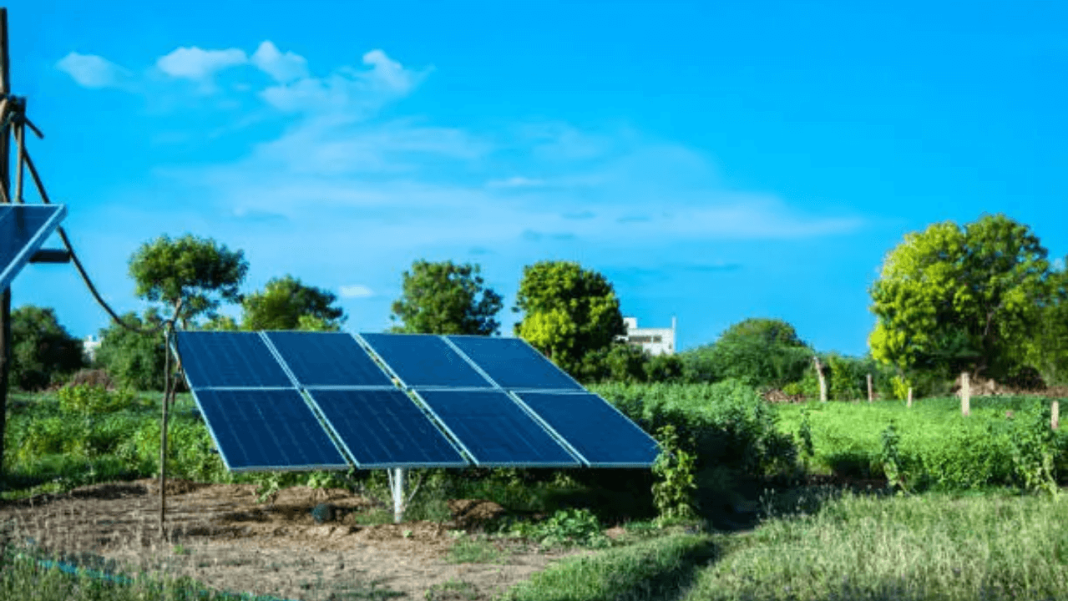

Ghudani Kalan has been announced as Ludhiana’s district winner under the Model Solar Village contest. People in the area describe it as a practical win, because the change can be seen on rooftops and public spaces. On a cool morning, panels catch the pale sun and sit quietly above brick houses and small shops. No drama, no ribbon-cutting noise every day, just hardware doing its job. This achievement is also being widely covered in Current News in India.
The village now becomes a local example for others chasing the same tag. And yes, it also brings money, which matters when panchayats keep juggling repairs, drains, lights, and endless small works.
Understanding the Model Solar Village Contest
The Model Solar Village contest is a district-level push to encourage rural solar adoption and prove that power generation can happen at the village scale. The contest runs on results, meaning solar installations, measured output, and visible community participation. Villages compete over a fixed period, and the top performer in the district earns the Model Solar Village status.
This contest links with the larger national solar push under PM Surya Ghar: Muft Bijli Yojana. The idea is straightforward: solar adoption should not remain limited to cities and big societies. Rural rooftops count too, and sometimes they are easier to work on due to open space and fewer shadows.
How Ghudani Kalan Secured the Top Position
Ghudani Kalan secured the top position by staying consistent through the contest period. Locals speak about steady follow-ups, repeated meetings, and pushing paperwork through without letting it sit for weeks. That alone separates winners and runners-up in many government-linked drives, because delays usually happen in the smallest steps.
There was also a bit of healthy pressure. When one lane gets panels, the next lane starts asking questions. And when a neighbour mentions a lower bill, the topic spreads faster than any poster on a wall.
Solar Capacity Installed and Community Efforts
The key number linked to Ghudani Kalan is solar capacity, around 216 kW, which placed it ahead in the district contest. Another village, Manuke, reportedly stayed close at around 208 kW, so the gap was not huge. That closeness matters. It shows the contest was not a one-sided show.
A simple snapshot helps keep the story clear:
| Item | Ghudani Kalan | Manuke |
| Reported solar capacity | ~216 kW | ~208 kW |
| District contest position | Winner | Runner-up |
Community effort did not mean grand speeches. It meant practical things: convincing households, checking roof space, arranging site visits, coordinating electricians, and dealing with those little delays that irritate everyone. A villager waiting outside an office for a signature knows that part well. Feels like real work sometimes.
₹1 Crore Development Support and Planned Upgrades
The ₹1 crore support is expected to be used for upgrades tied to solar and village improvement. Talk around the village points to practical spending, not decorative projects. Plans being discussed include solar street lights, solar-powered CCTV cameras in key points, and basic restoration work such as pond improvement and related infrastructure.
People in villages notice small upgrades quickly. A street light that turns on daily, without outages, changes the evening walk. A CCTV camera near a school lane cuts down on nuisance issues. These are not glamorous items, but they reduce daily headaches, which is the real point.
Impact on Renewable Energy Growth in Ludhiana
The win has already created a ripple in Ludhiana district’s rural belt. Nearby villages are asking how the work was managed, who handled approvals, and how community participation was kept alive. That curiosity can be useful, because solar adoption in villages often slows down due to confusion, rumours, or lack of clear guidance.
A district-level winner also gives officials a ready reference site. Instead of explaining solar benefits in a meeting hall, they can point to one village where the work is visible. That tends to cut arguments short.
Benefits for Local Residents and Rural Infrastructure
For residents, the biggest benefit is predictable electricity support and lower dependence on traditional power supply during peak hours. In many homes, fans, coolers, and basic appliances create a real load in summer. Solar reduces pressure, and households also gain a sense of control over monthly expenses. Not every family will talk openly about money, but everyone watches the bill.
Infrastructure benefits come in quiet ways too. Better lighting makes lanes safer. Improved public spaces help schoolchildren and elderly residents. And pond restoration can reduce stagnant water issues, which villagers complain about every monsoon. The smell after a heavy rain is not something anyone misses.
Government Initiatives Driving Solar Adoption
The contest sits within a broader government push that encourages rooftop solar, awareness drives, and district-level selection of a model village. Officials and local bodies generally rely on a mix of awareness camps, on-ground visits, and coordination with installers to keep projects moving.
The process can still be tiring. Forms, checks, site approvals, and scheduling can stretch out. But when local leadership stays active, the pace improves. Many rural schemes fail at the “small follow-up” stage. This one did not, at least in Ghudani Kalan’s case.
What This Win Means for India’s Clean Energy Future
Ghudani Kalan’s win signals something practical for India’s clean energy direction. Rural solar is not a poster idea anymore. It is measurable, competitive, and tied to funding. That changes behaviour. Villages start treating solar targets like development work, not optional extras.
It also pushes a better kind of rivalry. Not the shouting kind, the work kind. More rooftops get used, more local electricians learn solar-related skills, and people become less afraid of the technology. Maybe they are right to be cautious at first. But seeing panels working next door settles nerves faster than any lecture.
FAQs
1. Which village won the Model Solar Village contest in Ludhiana district?
Ghudani Kalan won the Model Solar Village contest in Ludhiana, earning district-level recognition and funding support.
2. What amount of support has been announced for the winning solar village?
The winning village has announced ₹1 crore support for solar-linked development and local infrastructure improvements.
3. What type of projects are expected under the ₹1 crore village support plan?
Expected projects include solar street lights, solar-based CCTV coverage, and basic restoration works such as pond improvement.
4. Why is the Model Solar Village contest important for rural Punjab areas?
It pushes rooftop solar adoption, improves public facilities, and helps villages reduce pressure on conventional electricity supply.
5. How does this Ludhiana solar village connect with national solar initiatives?
The contest aligns with PM Surya Ghar: Muft Bijli Yojana goals that encourage wider rooftop solar adoption across India.