
The race for a medical seat has shifted again. The National Medical Commission has approved 9,911 additional MBBS seats for the 2026-27 academic session, taking the listed capacity to 1,36,939 seats across 823 colleges. The figure excludes Institutes of National Importance such as AIIMS and JIPMER, so the final national pool available through NEET UG will be larger once those institutions are counted separately.
The announcement arrives while candidates await the NEET UG 2026 result after the June 21 re-examination and the provisional answer-key challenge window. For students building college preferences, the new state-wise matrix is more useful than the headline alone. Karnataka gains the most seats, while Tamil Nadu, Rajasthan, West Bengal, Telangana, and Uttar Pradesh also receive large additions. The updated NMC seat matrix notice should remain the first reference because the commission has said figures may change after appeals or decisions by a competent authority.
What The 9,911-Seat Expansion Actually Shows
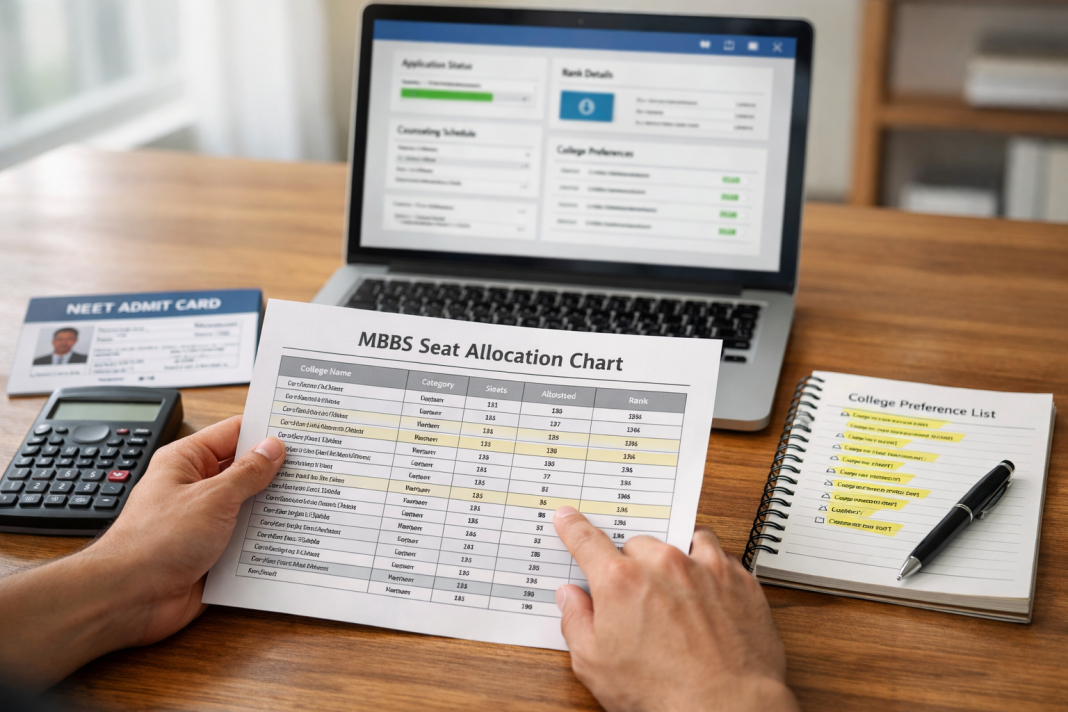
The NMC matrix lists 1,27,028 renewed seats and 9,911 newly approved seats. Of the final 1,36,939-seat total, government colleges account for 63,296 seats across 441 institutions. Private colleges account for 73,643 seats across 382 institutions.
There is an important detail behind the headline. The 9,911 figure measures seats approved over the renewed base, not the exact year-on-year rise. India had 1,28,976 listed seats across 818 colleges in 2025-26, which makes the net annual increase 7,963 seats. Candidates should therefore use the latest matrix for counselling choices rather than adding 9,911 directly to last year’s figure.
The expansion also includes 2,400 seats from 25 newly established colleges. Seven new government colleges contribute 400 seats, while 18 new private colleges contribute 2,000. The remaining approvals come from higher intake limits at existing institutions.
Which States Gain The Most MBBS Seats?
Southern and large northern states dominate the expansion, but eastern India also receives notable additions. Karnataka leads with 1,300 more seats and now has 15,395 listed seats. Tamil Nadu adds 950, taking its total to 13,999. Rajasthan gains 900, while West Bengal receives 825.
The leading state-wise additions are:
- Karnataka: 1,300
- Tamil Nadu: 950
- Rajasthan: 900
- West Bengal: 825
- Telangana: 810
- Uttar Pradesh: 800
- Bihar: 740
- Madhya Pradesh: 420
- Maharashtra: 400
- Andhra Pradesh: 375
- Jharkhand: 370
Uttar Pradesh now has 14,000 seats, placing it just behind Karnataka by total capacity. Maharashtra remains another major destination with 13,099 seats despite a smaller increase of 400. Telangana reaches 10,250 seats after adding 810. These totals can widen choice lists, but they do not guarantee lower closing ranks because demand, reservation rules, domicile policies, fees, and college reputation still shape allotment.
Why The Private-College Share Deserves Attention
Private institutions receive 7,800 of the 9,911 newly approved seats, while government colleges receive 2,111. That split means the expansion improves availability far more than affordability. A candidate may see more options on the counselling screen, yet still face tuition levels that are beyond the family budget.
Students should separate government, private, deemed-university, and NRI options before choice filling. They should compare tuition, hostel charges, security deposits, service bonds, stipend rules, and refund conditions. A seat added in a private college cannot be treated as equal to a government seat merely because both appear in the national total.
The 2026-27 matrix is also provisional. Colleges must admit only against sanctioned intake, and counselling authorities must follow the approved capacity. Any later revision could add, remove, or alter seats before a round begins. Checking the college on the NMC MBBS institution list can help candidates avoid relying on screenshots or unofficial forwarded lists.
What NEET UG Candidates Should Do Next
The seat expansion has landed during an unusual admission cycle. More than 20 lakh candidates appeared for the June 21 NEET UG re-examination. NTA later opened the OMR and provisional answer-key challenge process, which it also announced through its official X account. Candidates should now watch the official NEET UG portal for the result, final answer key, and scorecard instead of depending on predicted dates circulating online.
After the results, students should build separate lists for All India Quota, state quota, private colleges, and deemed universities. They should keep domicile, category, identity, Class 10 and 12, NEET scorecard, and other required documents ready. The MCC UG counselling page will carry central counselling notices, while state authorities will publish their own schedules.
Frequently Asked Questions
How many MBBS seats are listed for 2026-27?
The NMC matrix lists 1,36,939 seats, excluding Institutes of National Importance, including AIIMS and JIPMER.
Which state gains the highest number of seats?
Karnataka gains 1,300 seats, the largest increase among states and Union Territories this academic year.
How many new government seats were approved?
Government medical colleges received 2,111 newly approved seats in the NMC matrix for 2026-27 admissions.
Will additional seats lower the NEET cut-off?
More seats may affect closing ranks, but demand, category, college type and rules decide outcomes.
Where should candidates check counselling updates?
Candidates should follow MCC for central counselling and their respective state counselling authority websites regularly.