

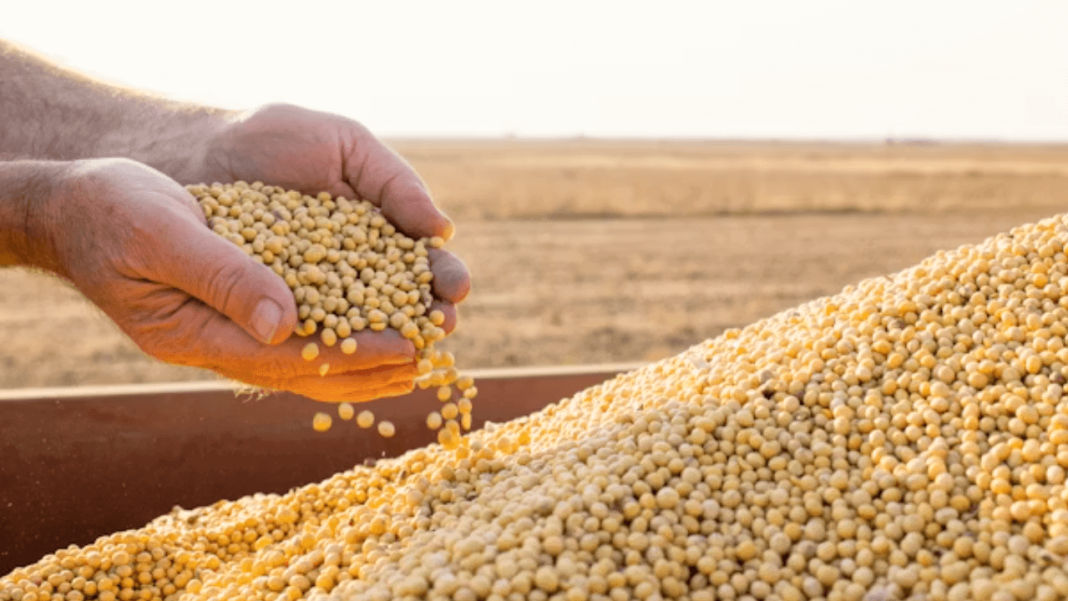

A chilly morning, a loud stage mic, and the usual crowd near a district ground. Many farmers stood with phones in hand, waiting for the one message that actually changed the day. Madhya Pradesh transferred ₹810 crore directly into accounts of 3.77 lakh soybean farmers, a major MP farmer DBT payment news update tied to the Madhya Pradesh soybean farmers scheme, reflecting Latest News in India.
The Bhavantar Bhugtan Yojana soybean payout, linked to the soybean price difference scheme MP, aims to ease pressure when mandi rates fall and pockets run thin.
Why Madhya Pradesh Released ₹810 Crore to 3.77 Lakh Soybean Farmers
Soybean has a habit of testing patience in Madhya Pradesh. Prices can drop fast after arrivals peak, and many farmers end up selling at rates that feel unfair. This ₹810 crore transfer MP farmers move is positioned as a response to that gap. The state’s message stays simple: incomes need a backstop when market rates slide below expected levels.
Officials also know the season’s timing. After harvest, expenses pile up. Loans, labour dues, diesel, household costs. Cash reaching bank accounts quickly can stop small issues turning into bigger ones. That is the practical reason this payment matters, even if the paperwork behind it feels endless.
What the Bhavantar Bhugtan Yojana Means for Soybean Growers
Bhavantar Bhugtan Yojana works on a price gap idea. When a farmer sells soybean in a mandi at a rate lower than the support-linked benchmark, the state pays a different amount, subject to scheme rules. It is meant to reduce distress selling and to keep farmers closer to a predictable return.
For soybean growers, this matters because soybean trading depends on arrivals, moisture, quality grading, and local demand. One farmer may sell early due to urgent needs, another waits and risks further drops. Under Bhavantar, the state tries to cushion that fall. Sounds neat on paper. On ground, the relief often comes late, which is why direct transfers draw attention.
Key Highlights of the ₹810 Crore Direct Transfer
The government stated that ₹810 crore reached 3.77 lakh soybean farmers through direct bank transfers. The transfer was presented as a single-click release during a public programme, with district administration teams coordinating beneficiary lists, bank mapping, and verification.
A quick snapshot helps keep numbers clear:
| Item | Detail |
| Total payout | ₹810 crore |
| Beneficiaries | 3.77 lakh soybean farmers |
| Mode | Direct Benefit Transfer to bank accounts |
Officials described the move as part of MP Bhavantar payment status check workflows that rely on registered sales, mandi receipts, and linked bank accounts. Farmers often say the same thing quietly: “Credit aata hai toh hi bharosa hota hai.” Trust follows the SMS alert.
District-Wise Impact on Madhya Pradesh’s Soybean Farming Belt
The soybean belt spreads across western and central districts, and the impact is uneven because cropping patterns are uneven. Areas with larger soybean acreage see higher beneficiary counts, while mixed-crop districts see smaller shares. Even inside one district, benefits vary. A farmer selling a small lot gets a smaller difference amount, while a larger seller sees a bigger credit.
Local mandi scenes tell the story better than speeches. A trader’s scale machine beeps, sacks scrape on the floor, and farmers argue about moisture reading. A small payment credit may cover fertilizer dues. A larger credit may go toward a pending tractor installment.
How Farmers Can Check Their Bhavantar Payment Status Online
Farmers usually look for confirmation in three places: the bank message, the passbook entry, and the portal status. MP Bhavantar payment status check steps generally follow a routine.
First, beneficiary records need correct bank account details linked to the scheme profile.
Second, mandi sale data must match the registered farmer identity.
Third, Aadhaar or mobile mapping should align, since alerts and verification often rely on it.
When credits do not reflect, the usual reasons are simple and irritating: wrong account number, inactive bank link, mismatch in sale entry, or pending verification.
Economic Impact of the Payout on Rural and Agricultural Markets
₹810 crore entering rural accounts does not sit idle. It moves. Local kirana stores see higher sales. Input dealers see pending dues cleared. Some farmers repay informal borrowings to avoid extra interest. Rural cash flow also eases migration pressure for short periods, since immediate household needs get covered.
There is also a second effect: farmers feel less forced to sell every sack at the first available rate. That small breathing room can change mandi behaviour, even if only slightly. Critics call such payouts a temporary patch. Supporters call it timely relief. Both sides have a point, honestly.
Government Announcements and Future Support for Soybean Farmers
Government statements around the payment linked it to farmer welfare priorities and wider agriculture planning. The CM Mohan Yadav farmers update messaging has focused on direct transfers, quick processing, and broader support systems like procurement improvements and better market access.
Future talk often includes better storage, faster grievance handling, and cleaner digital records. Farmers hear that every year, so scepticism is natural. Still, a large payout delivered through DBT creates pressure to keep timelines tighter next season. That pressure is useful. It forces systems to behave, at least a little.
Why Direct Benefit Transfers Strengthen Farmer Income Stability
DBT reduces leakages and middle layers. It also reduces the stress of repeated office visits, though not fully. When money reaches the bank account directly, the farmer can plan. A bank credit also creates a record useful for future loan discussions. And it reduces the awkward dependence on agents who “help” for a cut.
Income stability in farming rarely means comfort. It means fewer shocks. It means one less forced sale, one less emergency borrowing, one less argument at home about school fees. DBT supports that steadying effect. Not perfect, but practical. And farmers usually judge policies on practical outcomes, not slogans.
FAQs on the ₹810 Crore Support for Soybean Farmers
1) Who received the ₹810 crore transfer under the Madhya Pradesh soybean farmers scheme?
Beneficiaries were soybean farmers recorded under eligible Bhavantar entries, with verified mandi sales and linked bank details.
2) How is the Bhavantar Bhugtan Yojana soybean payment amount generally decided?
The amount is based on the approved price difference formula, using registered sale price and scheme benchmark, within set limits.
3) What should a farmer do if the MP Bhavantar payment status check shows pending or failed?
Bank linkage, identity details, and mandi sale entries should be checked at the local helpdesk for correction and resubmission.
4) Does the ₹810 crore transfer MP farmers payout cover all soybean growers automatically?
Coverage depends on registration, recorded sales through the required channels, and eligibility checks under the current scheme rules.
5) Can farmers expect similar payments again in the next soybean cycle?
Officials have signalled continuity, yet timing and amount depend on market rates, budget allocation, and processing speed.