
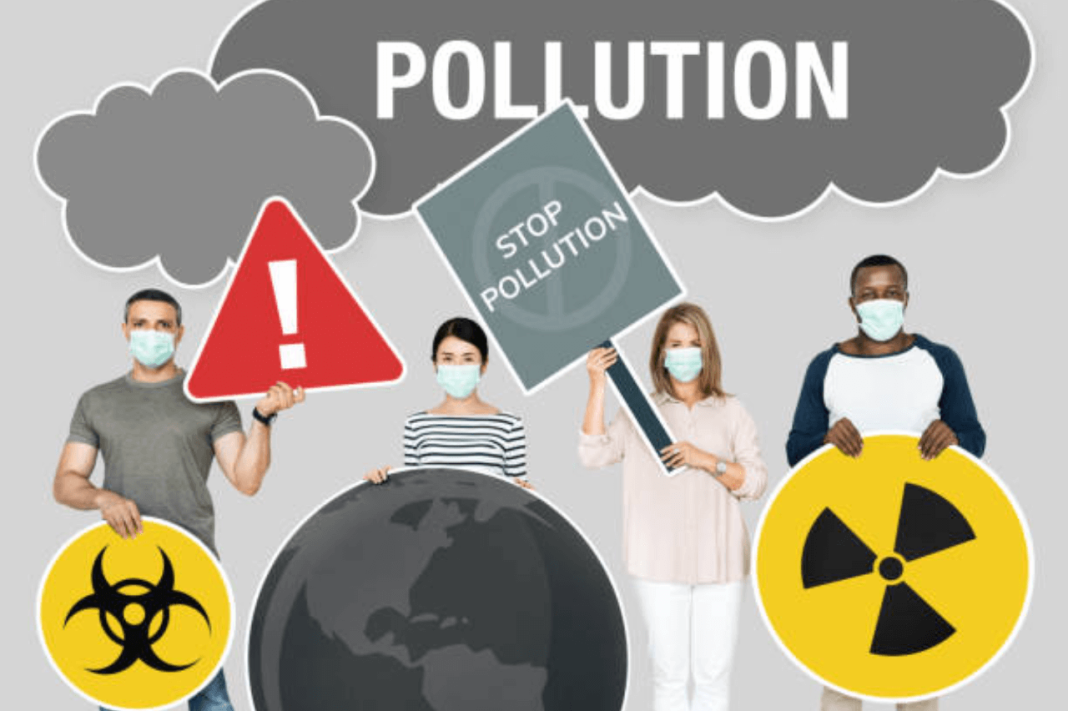

National Pollution Control Day 2025 lands on a cool December morning, and the air tells its own story. The headline issue remains clear: India must still tackle air, water and industrial pollution. Streets wake early, traffic hums, masks stay on, becoming part of the Latest News in India that shapes the day. That’s how it reads today.
What Is National Pollution Control Day?
Observed on 2 December, the day recalls India’s worst industrial disaster and the lessons that still feel unfinished. It pushes institutions to review safeguards, and urges cities to measure what truly matters, not just issue statements. People expect quieter plants, cleaner drains, fewer alarms. Sometimes it’s the small habits that matter.
Theme for 2025 — “Sustainable Living for a Greener Future”
The theme points to everyday practice, not only policy. Switch to cleaner commuting on weekday mornings, segregate kitchen waste before breakfast, say no to the late-night trash burn that stings the throat. The idea is simple living with steady results. Feels basic, yet difficult in crowded homes and tight budgets. Still, doable.
India’s Pollution Status in 2025 — A Reality Check
Morning smog at bus stops, frothy river stretches near city outfalls, acrid smells near older industrial belts. People do not need graphs to sense it. A quick snapshot, plain and honest.
| Indicator | Street-level reality in many cities |
| Air quality | PM peaks on calm winter nights, relief after rain |
| Water quality | Sewage and effluents pressurise rivers and lakes |
| Industrial emissions | Older stacks smoke at odd hours, low visibility checks |
| Waste | Mixed garbage piles, frequent burning on outskirts |
That table looks blunt, maybe a bit harsh. It mirrors what residents keep reporting.
Why India Must Still Tackle Air Pollution
Winter inversion traps smoke near the ground, and the throat catches it first. Schools shift timings, asthmatics plan evening walks around readings, delivery riders carry cough syrup in backpacks. Health costs hit families quietly across the year. Cleaner fuels help, as do inspections, but the gains slip when traffic surges or waste fires flare. So the job remains unfinished, and that’s putting it mildly.
Why Water Pollution Remains a Major National Threat in 2025
One clogged drain can ruin a neighbourhood stretch. A stalled sewage pump and a whole colony smells like a damp basement. Downstream, fishermen lose a day’s catch after a murky release at night. Filters at home do some work, yet not all. Treatment plants need power and staff on time, not later. Water tells the truth by taste and colour, and people notice.
Industrial Pollution in India — The Unresolved Crisis
Newer units show better records, the older clusters struggle. Safety drills get skipped near festival rush, monitoring crews arrive late after complaints, stacks go quiet exactly when inspectors appear. It sounds familiar in many states. The cost of retrofits bothers small factories, but the cost of accidents breaks trust for years. That is the part nobody wants to learn again.
Government Efforts So Far — What Has Improved
Cleaner fuels in public transport, more stations measuring air, stricter consent conditions for industries. River projects add capacity, even if progress feels uneven. City hotlines answer faster than before. Many parks post local AQI boards by the gate, a small but useful nudge. People want continuity, not only launch photos. That’s how most civic work survives.
Where India Still Falls Short in Pollution Control
Enforcement gaps, thin staffing on nights and weekends, penalties that do not bite, and coordination across borders that stalls at paperwork. Waste contracts miss performance checks, drains clog after the first shower, sensors go offline too long. The basics trip the system more than any grand plan. Feels avoidable, honestly.
What India Must Do Next — Key Actions for the Future
- Real-time stack monitoring rolled out to more units, alerts linked to quick on-ground visits.
- Power backup and staffing guarantees at sewage plants, verified monthly, not yearly.
- Curb waste burning with ward-level crews and small compost hubs near markets.
- Expand bus lanes and last-mile feeders so commuters skip one car trip each day.
- Transition support for small factories, easy loans for scrubbers, simple forms, fewer queues.
These are not fancy ideas. They are maintenance, discipline, and some patience.
Role of Citizens on National Pollution Control Day 2025
Households can sort waste before breakfast rush. RWAs can post weekly AQI and water-quality notes on lobby boards, plain language, no jargon. Schools can run short repair camps for cycles, fix brakes, pump air, get kids riding again. One car off the road helps. People like proof, not speeches. That’s how change sticks.
Why 2025 Demands Stronger Environmental Action
Urban growth is faster than last decade, summer heat bites longer, and power use jumps in the afternoon. If controls lag, costs pile up in hospitals, water tankers, repair bills. No mystery here. The country can grow clean or grow messy. The first path takes daily work and fewer shortcuts. The second looks cheaper till the bill arrives.
FAQs on National Pollution Control Day 2025
1. What is National Pollution Control Day 2025 and why is it observed on 2 December?
It marks the need to prevent industrial disasters, improve pollution control, and remember a past tragedy that still teaches hard lessons.
2. How does National Pollution Control Day 2025 relate to air, water and industrial pollution today?
The day connects memory with action, pushing cleaner air, safer water, and tighter checks on factories across real sites.
3. What practical steps can small factories take to cut emissions without shutting operations?
Install basic scrubbers, schedule preventive maintenance, keep logs, enable real-time monitoring, and train shift staff regularly.
4. How can resident groups support cleaner neighbourhood air without large budgets?
Stop waste burning, report illegal releases, run cycle repair camps, share AQI updates, and press for better wet waste collection.
5. Which everyday habits reduce pressure on city drains and rivers during the year?
Segregate waste, avoid pouring oils into sinks, maintain septic units, use local composters, and report broken manholes early.