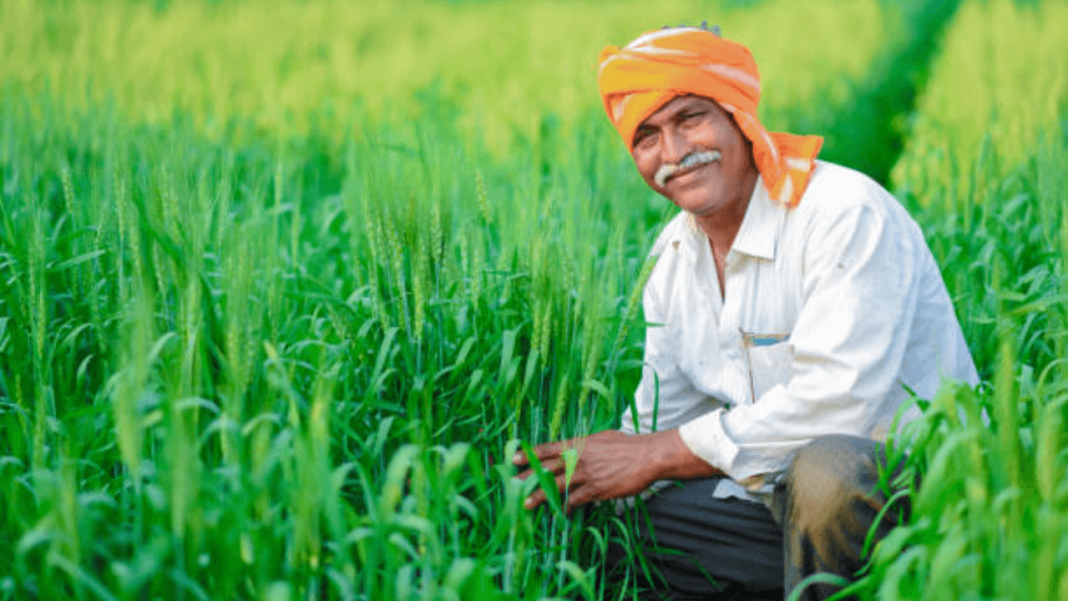

The ₹4.09 lakh crore figure signals scale, and also repetition, a detail that has featured prominently in India Current News. Instalment after installment, the scheme has kept a steady pattern of direct cash support for eligible farmer families. In rural India, regularity matters. A payment that arrives on time can mean fertiliser booked early, diesel arranged, or a pending bill cleared without borrowing at harsh terms. And yes, people notice timing more than headlines.
Overview of the PM-KISAN Scheme
PM-KISAN, short for Pradhan Mantri Kisan Samman Nidhi, is a central income support scheme meant for eligible landholding farmer families. The structure stays simple on paper. Annual support totals ₹6,000, paid in three installments of ₹2,000 each, credited directly to bank accounts through DBT.
The paperwork side still feels like real work sometimes. Aadhaar seeding, bank account matching, and land record verification can decide speed. That is the quiet part people do not clap for. Still, the intent remains clear: small, predictable support, meant to reduce day-to-day cash pressure around sowing, spraying, and harvest.
Government Confirms Disbursing ₹4.09 Lakh Crore to Farmers
Officials have reiterated that the cumulative disbursal under PM-KISAN has reached ₹4.09 lakh crore. The statement sits alongside routine reminders about eligibility and documentation. It reads like a policy update, but at ground level it turns into practical talk.
Local agriculture offices and CSC centres often see queues when instalment cycles run. Phones buzz with SMS alerts. Bank branches get slightly louder. Cash withdrawals rise in clusters. It is not dramatic, but it is real. One can almost smell that mix of dust, paper, and ceiling-fan air in a crowded rural branch. And the small frustrations return too: “Name mismatch,” “KYC pending,” “Account inactive.” Same issues, different seasons.
How PM-KISAN Directly Supports Farmer Livelihoods
A ₹2,000 instalment will not overhaul a farm. Nobody seriously says it will. But it can stop a small problem from becoming a bigger mess. For marginal and small farmers, that matters a lot.
Common uses reported at village level include:
- topping up seed purchases when rates jump suddenly
- paying for fertiliser or pesticide without taking quick-interest credit
- settling electricity or irrigation-related dues
- managing household essentials during lean weeks between market arrivals
There is also a behavioural side. When support comes via bank transfer, families get pulled into formal banking routines. Passbook update. ATM cards get used. A few begin maintaining minimum balances. Some do not, of course. But the nudge exists, even if imperfect.
Instalment Releases and Beneficiary Coverage Trends
PM-KISAN has moved through multiple installments since its start in 2019. Over time, the process has tightened. Verification checks have expanded, and the focus on Aadhaar-linked transfers has stayed strong. That reduces leakages, but it can also delay genuine cases when records do not match neatly.
A quick snapshot helps, without overcomplicating it:
| Item | What it means in practice |
| Three instalments each year | Households can plan around seasonal spending blocks |
| DBT to bank account | Less middle-layer handling, fewer cash handoffs |
| eKYC and Aadhaar link | Faster credits for verified records, delays for mismatches |
| Land record checks | Filters ineligible claims, but errors can block valid names |
So, the trend has stayed steady: wider coverage attempts, tighter filtering, and constant pressure on states and local offices to keep databases clean.
State-Wise Progress Under PM-KISAN
State-wise performance often depends on record quality and administrative pace. Areas with cleaner digitised land records and smoother bank-Aadhaar mapping tend to move faster. Regions with outdated ownership entries, unresolved succession, or spelling variations across documents face more holds.
And farmers do not always know which office controls what. Some issues sit with revenue departments, some with banks, some with Aadhaar seeding, some with local agriculture staff. That multi-window setup irritates people. Fair enough. A farmer should not need three visits and two photocopy rounds for a basic correction, but that still happens in pockets.
Key Implementation Challenges and Ongoing Improvements
The biggest challenges stay familiar:
Name mismatches. Account dormancy. Land records not updated after inheritance. eKYC not completed. Mobile numbers changed, SMS alerts lost. Small things, yet they block payments.
On the improvement side, authorities keep pushing digital correction routes, tighter beneficiary validation, and awareness drives at village level. Help desks have expanded in many areas, and CSC operators often act like unofficial translators for forms and portals. It is not glamorous, but it keeps the machine running.
Future Outlook for PM-KISAN Support
PM-KISAN now sits as a stable part of India’s farm support architecture. The next phase likely centres on cleaner targeting and fewer payment holds. Better land record updates, faster grievance handling, and smoother bank-Aadhaar coordination can reduce repeated complaints.
There is also a simple expectation growing in villages: if a scheme promises regular instalments, delays start feeling personal. So systems have to match that expectation. Money is important, yes. The trust built by timely credit matters too. That is the part of policy people sometimes underestimate.
FAQs
1) What does “Farmers receive ₹4.09 lakh crore under PM-KISAN scheme” actually indicate?
It indicates the cumulative amount credited to eligible farmer families’ bank accounts across multiple installments under PM-KISAN.
2) How does a farmer check if an instalment got credited successfully under PM-KISAN?
A farmer can check bank SMS alerts, passbook updates, or the scheme’s online beneficiary status using registered details.
3) What usually causes PM-KISAN payments to stop even for genuine farmer families?
Common reasons include incomplete eKYC, Aadhaar-bank mismatch, incorrect land records, or inactive bank accounts linked to the scheme.
4) Can a farmer receive pending PM-KISAN instalments after fixing document or eKYC issues?
In many cases, payments resume after corrections, though timing depends on verification cycles and database updates at local levels.
5) Why do instalment timelines vary across regions even under a national PM-KISAN scheme?
Regional variations happen due to state-level verification pace, land record digitisation status, banking link quality, and grievance processing speed.