
A cold morning, quiet lanes, and the smell of camphor near the temple gate. Putrada Ekadashi Vrat Katha and Puja Vidhi Followed Across India sit at the centre of many homes on this day, a scene often reflected in Latest News in India during festive seasons. Couples, elders, and young parents keep the fast, speak Lord Vishnu’s name, and hope for children’s well-being. Some keep it strict. Some keep it simple. Either way, the mood stays steady, devotional, and a bit serious.
What Is Putrada Ekadashi and Why Is It Observed?
Putrada Ekadashi is a Vishnu vrat observed on the eleventh lunar day. The name carries a direct meaning: prayer linked with progeny and the welfare of children. Many families mark it for a child’s health, a child’s future, or the wish to welcome a child at home.
The reason it stays popular is practical, in a faith sense. It gives a clear routine. A clean day. A controlled diet. A fixed prayer window. And a story that families repeat year after year, often in the same room, same small corner, same brass diya.
Putrada Ekadashi Date, Shubh Muhurat, and Fasting Timings
Putrada Ekadashi appears in two seasons in many calendars, one in Pausha and one in Shravana. Families usually check the Ekadashi tithi, then plan the fast and the next-day paran. Temples announce timings on notice boards, and priests repeat it during morning aarti. Yes, people still walk up and ask, “Paran time kya hai?” It happens.
| Ritual Window | Typical Practice Seen |
| Early morning | Bath, sankalp, setup of diya, tulsi, flowers |
| Daytime | Fast continues, naam-jap, katha paath, quiet routine |
| Evening | Vishnu aarti, deeper prayer, sometimes jagran |
| Next morning | Dwadashi paran during permitted time |
Small reminder that families follow local panchang. Even neighbouring areas can show slight timing differences. That little confusion is normal.
Putrada Ekadashi Vrat Katha (Complete Story of King Suketuman)
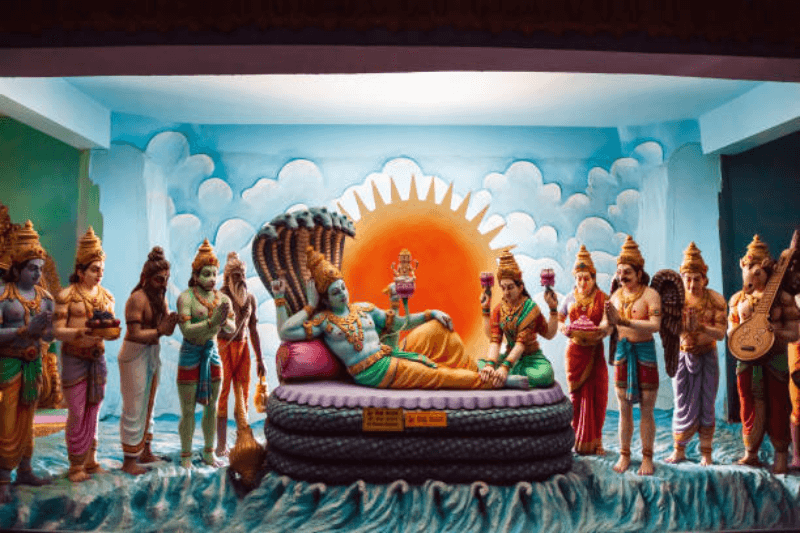
The Putrada Ekadashi Vrat Katha usually circles around King Suketuman and Queen Shaibya. The kingdom had order and wealth, yet the palace carried a private worry. No child. In old retellings, that absence feels heavier than gold, and it shows in how the king speaks, how the queen goes quiet.
Sages advise the king to observe Putrada Ekadashi with discipline and Vishnu bhakti. The king follows the vrat, hears the katha, keeps the fast, and stays focused. Later, the queen conceives and a son is born. The story ends with a simple line in many homes: faith plus discipline changed the family’s fate. People like that clarity. No complicated explanations.
Step-by-Step Putrada Ekadashi Puja Vidhi Followed Across India
Most households keep the puja method steady, with small local variations. The core remains Vishnu worship.
The day begins with a bath, often in chilly water during Pausha. Shivers, quick prayers, and then the puja corner gets cleaned. A photo or idol of Lord Vishnu sits at the centre. A tulsi leaf, a diya, incense, and a small plate of prasad items.
Sankalp follows. The devotee states the vrat intention, usually linked with children’s well-being, family peace, and personal restraint. Then comes naam-jap, Vishnu mantras, and katha. Some families keep a low voice so the home stays calm. Others keep bhajans running softly. Both styles exist.
Evening worship matters. Lamps look brighter at night. Bells sound sharper. Many families end the day with aarti and a short prayer for children’s protection. Simple, but it lands.
Fasting Rules: What to Eat and Avoid on Putrada Ekadashi
Fasting rules differ by capacity and family tradition. Some keep nirjala. Others keep phalahar. Elders often advise balance, because the aim is devotion, not a health emergency. That advice is sensible.
Allowed items usually include fruits, milk, curd, nuts, sabudana, singhara flour, potatoes, and rock salt. Tea appears in many homes too, quietly. It does, even if someone argues.
Items avoided commonly include grains, pulses, onion, garlic, alcohol, and heavy fried meals. The main idea is satvik intake and control. People also avoid harsh speech and arguments. Harder than skipping rice, honestly.
Regional Traditions of Putrada Ekadashi Across India
North India often leans toward temple visits and community katha. The crowd smell is familiar: incense, marigold, and damp wool shawls. In many towns, priests recite the katha in Hindi, and listeners nod at the key points as if greeting an old lesson.
Maharashtra and parts of western India show strong focus on tulsi and Vishnu naam. Many families keep light prasad, then sit for a longer aarti. In coastal belts, coconut appears often in offerings. That is a local habit.
South India can include Vishnu Sahasranama recitation, and some households keep the puja long, with clean, measured steps. Eastern India often connects the day with community prayer and daan. Each region keeps the same heart, even if the surface looks different.
Spiritual Benefits of Observing Putrada Ekadashi Vrat
Devotees link Putrada Ekadashi with blessings for children, family stability, and inner steadiness. The fast pushes a person to slow down. Fewer meals, fewer distractions, fewer unnecessary calls. The mind gets space.
Parents often say the vrat feels like a reset. A day of restraint. A day of prayers spoken with full attention. And the story of King Suketuman keeps reminding families that hope needs effort. Not a dramatic kind, just consistent effort. That seems to be the point.
Recommended Mantras, Aarti, and Stotra for Putrada Ekadashi
Common chanting includes “Om Namo Bhagavate Vasudevaya.” Many families also recite Vishnu Sahasranama, at least selected names if time feels tight. Some keep Lakshmi stotra too, since prosperity and household peace connect closely in lived practice.
Aarti varies by region, yet Vishnu aarti is the usual choice. The sound of clapping, the small bell, and the diya flame moving in circles sets the tone. Quiet children watch, then copy the hand movement. That small moment feels very Indian, very real.
Frequently Asked Questions About Putrada Ekadashi
Q1. Can Putrada Ekadashi vrat be observed by couples seeking a child, and also by parents already having children?
Yes, families observe it for child blessing, child health, and overall family welfare, not only for childless couples.
Q2. What happens if Ekadashi fasting feels difficult due to work, travel, or health conditions?
Many households keep a lighter phalahar vrat, continue prayers, and complete katha, keeping devotion steady without strain.
Q3. Is Putrada Ekadashi Vrat Katha necessary, or can worship happen without the story?
Traditional practice treats the katha as an essential part, since it sets intent, discipline, and the main teaching.
Q4. Which food rules matter most during Putrada Ekadashi, especially in joint family homes?
Avoid grains and heavy meals, keep satvik items, and follow local family rules, since kitchens run on shared routines.
Q5. When should paran happen, and why do elders insist on correct timing for Dwadashi paran?
Paran is done on Dwadashi during permitted time noted in the panchang, since correct closure completes the vrat properly.